
A burn test record sheet you can print or fill in on screen
Updated
On this page8
Record a burn test in four blocks: a header that says exactly which candle you burned, an hourly log, a line at the end of each session, and a verdict against written limits. The sheet below has every field, and the on-screen version adds up your burn time, finds the highest flame and jar temperature, works out the share of hours with smoke, and marks each line against one published set of limits, Kohl's private-brand candle protocol 100-Z. Those are one retailer's buyer requirements and carry no legal force. Print one sheet per test candle, number the candle, and keep the sheet with the batch record it came from.
Block 1: the candle
Fill this in before you light the wick. A test of a candle you cannot describe exactly cannot be repeated, and the next batch gets no benefit from it.
| Field | Entry |
|---|---|
| Test candle number | |
| Specification code and version | |
| Batch number (from the batch record) | |
| Date poured / date of first burn / cure time | |
| Wax: product, supplier, lot | |
| Fragrance oil: name, supplier, lot | |
| Load: percent, and of wax or of candle | |
| Dye: type and amount; other additives | |
| Wick: supplier, series, size, tab; number of wicks | |
| Vessel: product, material, inside diameter, height, coating | |
| Fill weight and fill height | |
| Melt, fragrance addition and pour temperatures | |
| Surface before lighting: frosting, wet spots, sinkholes, rough top | |
| Room: temperature, drafts, position of the candle | |
| Container material for the limits: glass, ceramic, metal, other | |
| Candle category for the limits: standard, or religious or ceremonial | |
| Burn time claimed on the label, if any |
The header's fields are the ones Supplies for Candles [1] and CandleScience [2] list for their own test notes, plus the lots and specification code that tie the test to production. Why each one is there is explained on keeping burn test records.
Block 2: the hourly log
One row for each hour of burning, as CandleScience [2], Supplies for Candles [1] and the Kohl's protocol [3] all do. A session in CandleScience's method runs up to four hours, followed by at least five hours of cooling before the next lighting [2].
| Session | Hour | Clock time | Wick length at lighting | Flame height (in) | Flame: steady, flicker, flare, split | Pool width or "full" | Pool depth | Smoke: none, intermittent, continuous | Wick: straight, curl, lean, carbon cap | Jar temp (°F), each point | Photo file |
|---|---|---|---|---|---|---|---|---|---|---|---|
| 1 | 1 | ||||||||||
| 1 | 2 | ||||||||||
| 1 | 3 | ||||||||||
| 1 | 4 |
Print as many rows as the candle needs; a 14-hour candle fills 15 rows if its last session runs into a fifteenth hour.
Measure flame height against a ruler behind the flame, from where the wick leaves the wax to the visible tip, the same way every time (measuring flame height). Write down your definitions of intermittent and continuous smoke before the first test; Kohl's uses the terms without defining them [3], and measuring soot and smoke suggests wording. Read the jar at the same points each hour (how hot the jar gets).
Block 3: the end of each session
| Session | Lit | Out | Minutes burned | Afterglow (seconds) | Wall wax after cooling | Anything unusual |
|---|---|---|---|---|---|---|
| 1 | ||||||
| 2 | ||||||
| 3 | ||||||
| 4 |
Afterglow is how long the wick tip keeps glowing after the flame is out. Put the flame out with a snuffer or a gentle breath; the National Candle Association warns against water, which can make hot wax splatter [4].
Block 4: the verdict
The on-screen sheet fills in the left half from your entries. You fill in the right half from what you saw.
| Line | Your result | Limit used | Pass or fail |
|---|---|---|---|
| Total burn time | h min | Meets the claim on the label, with no shortfall (Kohl's) [3] | |
| Highest flame | in | 3 in; 3.75 in for religious or ceremonial candles (Kohl's) [3] | |
| Smoke | percent of hours intermittent / continuous | Intermittent at most 20 percent and continuous at most 10 percent of burn hours (Kohl's) [3] | |
| Jar temperature | min / max / average °F | 175°F (79°C) glass or ceramic; 140°F (60°C) metal (Kohl's) [3] | |
| Longest afterglow | seconds | Out within 30 seconds (Kohl's) [3] | |
| Overflow | yes / no | No molten wax may escape and reach the surface (Kohl's) [3] | |
| Container integrity | yes / no | No crack or break (Kohl's) [3] | |
| Secondary ignition | yes / no | None (Kohl's) [3] | |
| Melt pool at hour 3 to 4 | Within 1/4 in (6 mm) of the edge (CandleScience's guidance) [2] | ||
| Where the test ended | inches of wax left | CandleScience burns test candles until 1/4 in (6 mm) remains [2]; customer instructions use the National Candle Association's 1/2 inch stop point [4] |
Kohl's protocol 100-Z, revised February 2025, keeps the candle limits of the February 2023 revision 100-Y and is built on ASTM F2417-17 [3]. It is one buyer's published requirement, and a different buyer may set different numbers. The current edition of the ASTM fire safety standard for candles is F2417-26 [5], and CPSC lists the ASTM candle standards as voluntary [6]. A full test procedure, with the reasons for each step, is on how to burn test a candle.
A filled-in example
Test candle 14, a glass tumbler, burned in four sessions: 4 h, 4 h, 4 h and 2 h 35 min, stopped with 1/4 in of wax left. Fifteen hourly readings. Two of them showed intermittent smoke, none continuous. The highest flame was 1.75 in, jar readings ran from 118°F to 156°F with an average of 138.0°F, and the longest afterglow was 12 seconds. The label claims 14 hours.
| Line | Result | Verdict |
|---|---|---|
| Total burn time | 14 h 35 min | Pass against a 14 h claim |
| Highest flame | 1.75 in | Pass (3 in) |
| Smoke | 13.3 percent intermittent, 0 continuous | Pass (20 and 10 percent) |
| Jar temperature | 118 / 156 / 138.0°F | Pass (175°F glass) |
| Afterglow | 12 s | Pass (30 s) |
One passing candle is one result. Burn test every change to wax, oil, load, dye, wick or vessel on its own sheet, burn at least a second candle before you print a burn time claim, and test every wick size you are choosing between side by side.
Paper during the burn, screen the same day
Wax on your fingers and a phone do not mix, so most makers fill the paper sheet beside the candles and type it up the same day. The on-screen version keeps the photos with the record and exports a file you can attach to a batch record or send to a buyer. Either way, keep the sheets for as long as candles made to that specification could still be in a customer's home; no federal rule sets a shorter or longer period for burn test records, as keeping burn test records explains.
When a line comes back as a fail
A failed flame, smoke or jar temperature line usually points to the wick, and the order in which to change it is on when to change the wick size. Change one thing at a time and give the new candle its own sheet and number.
| Total burn | 0 h 00 min |
|---|---|
| Hourly readings | 0 |
| flame height | pass — null in against 3 in |
| smoke | pass — 0% intermittent, 0% continuous |
| container temperature | pass — null to null F, average null, against 175 F |
| afterglow | pass — null s against 30 s |
| Overall | Passed every limit entered |
Top picks
Top containers for candles 4 oz · 58-400 · Glass · Amber · 2.6 in
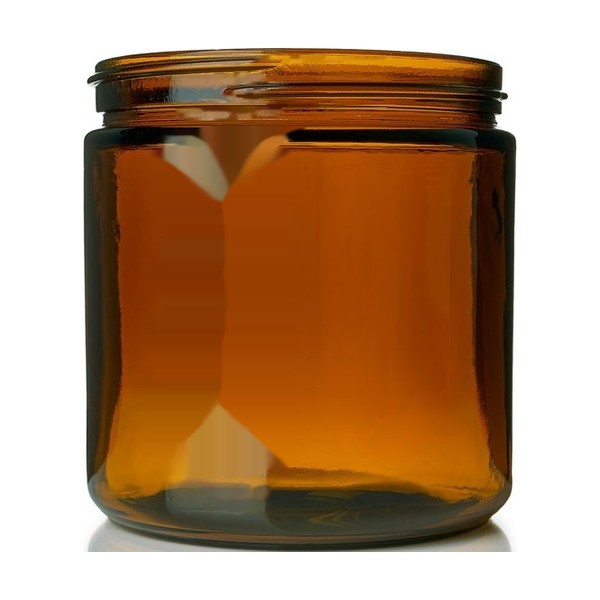 16 oz · 89-400 · Glass
 9 oz · 70-400 · Glass
 4 oz · 58-400 · Glass · Clear
 4 oz · 58-400 · Glass · Amber · 2.7 in
 6 oz · 63-400 · Glass
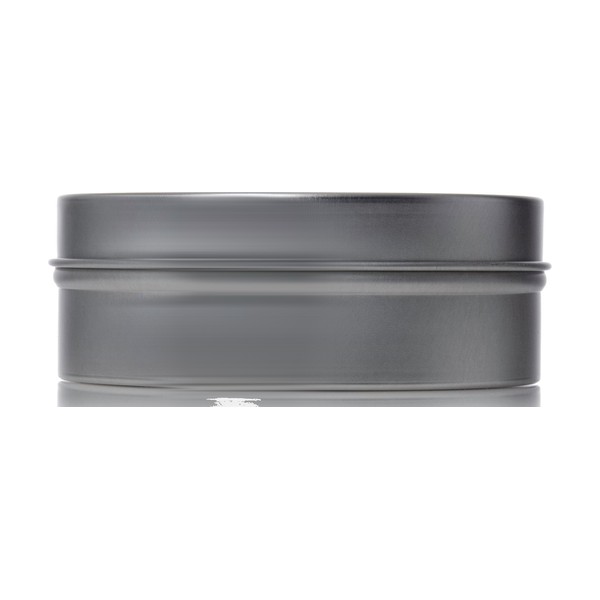 4 oz · Steel
 12 oz · 63-400 · Glass
References
- Supplies for Candles, How to Take Test Burn Notes, published July 30, 2021, modified September 2, 2026. https://suppliesforcandles.co.uk/candle-college/how-to-take-test-burn-notes
- CandleScience, How to Conduct a Burn Test, undated, read October 22, 2026. https://candlescience.com/learning/how-to-conduct-a-burn-test/
- Kohl's, Private Brands Performance Claims Test Protocols 100, Protocol 100-Z: Candle (including freestanding, taper, tealight, votive, filled and novelty candles), revised February 2025 (candle limits unchanged from 100-Y, February 2023; adds the 1800 Hardlines Regulatory Supplement). https://link.kohls.com/content/dam/klink/100-Z-CANDLE.pdf
- National Candle Association, Candle Safety Tips, modified August 12, 2025. https://candles.org/candle-safety/
- ASTM International, ASTM F2417-26 Standard Specification for Fire Safety for Candles (store page, active), last updated July 3, 2026. https://store.astm.org/f2417-26.html
- U.S. Consumer Product Safety Commission, Candles Business Guidance, undated, read October 22, 2026. https://www.cpsc.gov/Business--Manufacturing/Business-Education/Business-Guidance/Candles