How should a candle be boxed or wrapped for a shelf?
Updated
On this page7
Box or wrap a candle only if the packaging does a job: protecting glass, holding a gift set together, or telling a shopper what is inside. Once a box hides the candle's own label, the box has to carry what the shopper needs to see: what the candle is, its net weight, who made it, and the fire safety warning, with the care card inside or printed on it. Everything you add has to come off before the candle is lit. This page sets out what goes on the candle, the box and the shipping carton, the choices between boxes, sleeves, wraps and inserts, and how packaging laws reach boxes.
What goes where
When a candle is sold bare, its own label carries everything. When it is boxed, the information moves outward. Use this to decide what goes on each layer; the content rules themselves are on what a candle label has to say.
| Information | On the candle | On the retail box or sleeve | On the outer shipping carton |
|---|---|---|---|
| What the product is (identity) and scent | Yes | Yes, on the front a shopper sees | Optional, for the receiver |
| Net weight in U.S. and metric units | Recommended | Yes, if the box is what the shopper sees | No |
| Maker or distributor name and address | Recommended | Yes | Yes, as shipper |
| Fire safety warning (ASTM F2058 style) | Yes, it stays with the candle after the box is thrown away | Yes, if the candle's label is hidden at sale | No |
| Burn and care instructions | On the label or a card | Printed on the box or a card inside | No |
| "Conforms to 16 CFR 1500.17(a)(13)" (metal-cored wicks only) | Never on the candle label | Not required on the retail display box [1], unless it is also the only container the candle ships in | Yes, on the outer shipping carton or wrapping [1] |
| Batch or date code | Yes, often on the base | Optional | Optional |
| Country of origin | Where it applies | Where it applies | Where it applies |
The middle column follows a simple principle: whatever a shopper must be able to read before buying has to be visible on the outside of what they pick up. Kohl's vendor protocol shows how a buyer writes this down. For the "initial package," its Test Protocol 100-Z (February 2025) requires the distributor's name or other identification of the maker, with city, state and ZIP code; the product's identity; net quantity in metric and U.S. units; country of origin, legible, permanent, conspicuous and visible at the point of purchase; and cautionary labeling under ASTM F2058, with the signal word WARNING and the statements "Burn within sight," "Keep away from things that can catch fire" and "Keep away from children" [2]. It also asks for a tracking label with the factory number, month and year of manufacture and UPC where space allows [2]. These are one retailer's requirements and carry no force of federal law.
The warning should stay with the candle as well as the box, because the box is thrown away and the candle may be burned months later. The candle warning label covers its wording and placement.
Choosing the outer layer
| Option | Good for | Watch for |
|---|---|---|
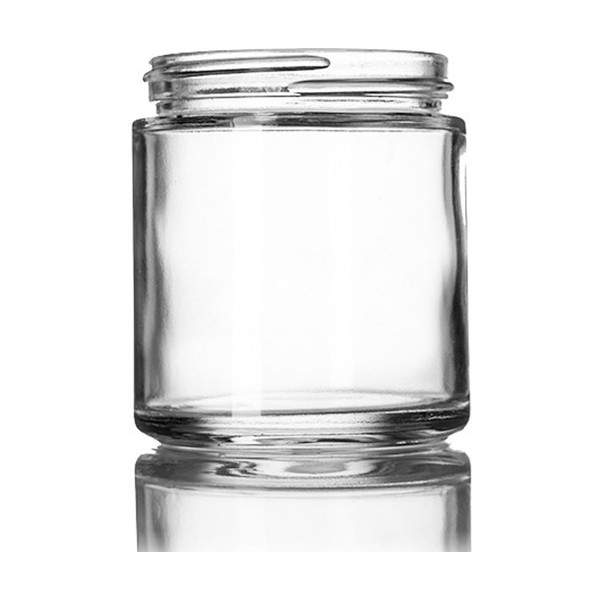
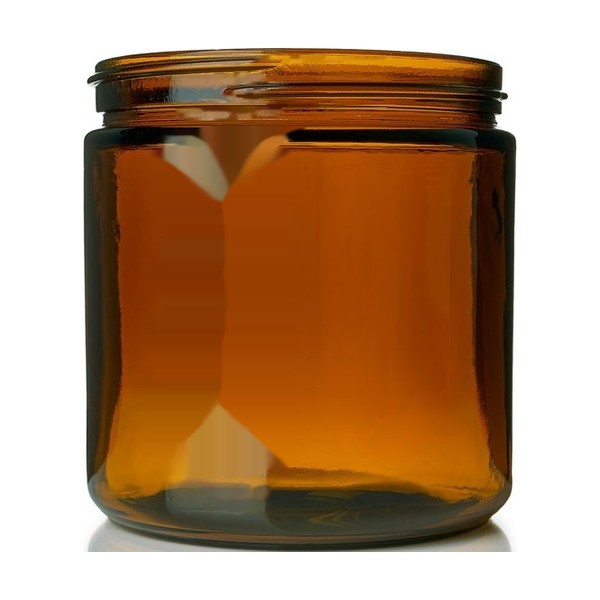
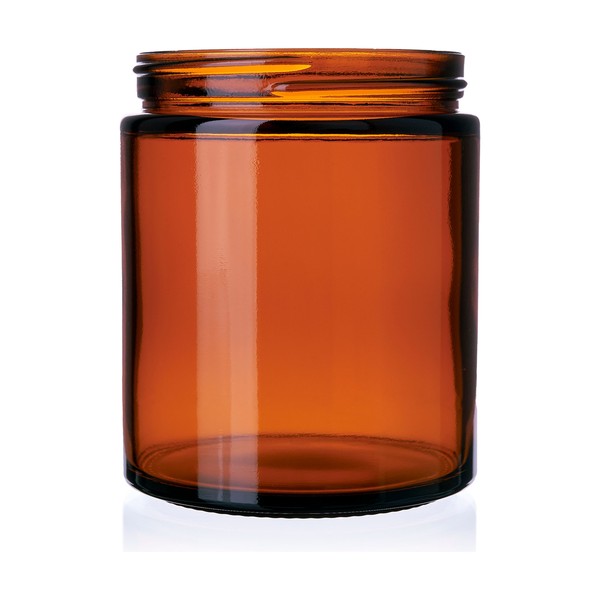
| Rigid or folding box | Glass jars on a shelf, gift sales, shipping protection | Must carry the outside information; an insert stops the jar rattling |
| Sleeve or band around the jar | A finished look with less material | Can hide the candle's own label, so the sleeve may need the information |
| Tissue, cellophane or fabric wrap | Gifts, pillars and tapers | Highly combustible; shoppers cannot read a label through opaque wrap |
| Hang tag on a ribbon | Pillars, tapers and votive sets | Easily lost; keep the warning on the candle or a card too |
| Gift set tray or multi-candle box | Votives, tealights, minis | Kohl's lists separate labeling requirements for multiunit packages [2]; each candle still needs its own warning if sold or used separately |
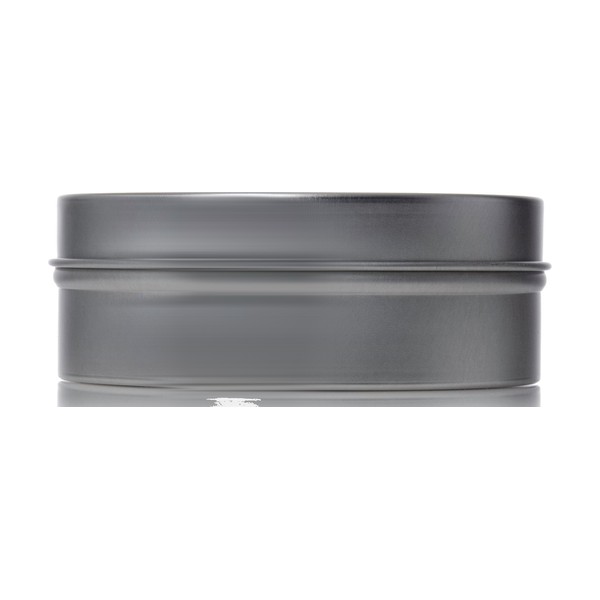
| No packaging | Market tables, refill sales | The candle's own label must do all the work |
For molded candles without a container (pillars, votives, tapers), the label is often a band, a base sticker or a tag. Tapers and irregular molded candles have their own net quantity provision, count and length or height, covered on stating net weight on a candle and making taper candles.
Keeping packaging away from the flame
Paper, card, tissue, ribbon and film all catch fire readily, so the aim is simple: all of it is off the candle and away from it before the candle is lit.
- Say so on the box and the card. "Remove all packaging before lighting" is short enough to print anywhere.
- Design so nothing stays on the candle by accident. A clear film over the top of a jar, a ribbon tied around a pillar's top or a paper band near a rim are easy to miss.
- Keep wraps and ribbons off the upper part of pillars and tapers. A customer who lights a candle without unwrapping it fully should not find paper or ribbon at the wick.
- Never display packaged candles lit. A display sample should be unpackaged, on a heat-resistant surface, and the NCA's consumer advice to keep a burning candle at least 12 inches from anything that can catch fire [3] applies to a shop shelf too.
- Test with the decoration on. If a decoration is meant to stay on the candle while it burns, it is part of the candle, not the packaging. Kohl's test protocol requires no secondary ignition, that is, nothing but the wick catching fire [2]. A decoration that stays on must pass your burn test to the end; see secondary ignition.
Where the care card goes
The care card is the instructions a customer reads before the first burn: trim the wick, burn long enough for a full melt pool, stop at the end of the candle's life, never leave it burning unattended. Its content is on burn instructions to give customers. Where to put it:
- Boxed candle: print it on the inside flap or the back of the box, or place a card on top of the candle inside, where it is seen before the candle comes out.
- Wrapped or bare candle: a tag, a card in the bag, or the bottom of the label.
- Gift sets: one card per set is enough only if every candle in the set burns the same way; votives and tealights need their holder instruction stated.
Packaging laws that reach boxes
A group of states have toxics-in-packaging laws, based on a common model law, that restrict certain heavy metals in packaging and packaging components. Boxes, sleeves, labels, wraps and shipping cartons are packaging under those laws. Whether a candle jar or tin that holds the candle while it burns counts as packaging or as part of the product is unresolved, so this page does not say either way; ask the Toxics in Packaging Clearinghouse or your state agency, and keep their answer. The state list, the limits and the source are on state rules that apply to candles.
The one federal candle rule that reaches packaging, the lead wick statement for metal-cored wicks, belongs on the outer shipping carton or wrapping, never on the candle label, and CPSC says it does not need to be on the retail packaging itself [1]. The display box is exempt unless it is also the only container the candle ships in. Lead in wicks is its home.
From the shelf to the shipping box
A retail box is a first layer of protection and does not replace shipping packaging. How to pack glass and molded candles for the mail and for wholesale cases is on shipping candles without breakage or melting. If a shop or a larger buyer is involved, what larger retailers require explains the vendor manuals that set packaging and labeling for them.
References
- U.S. Consumer Product Safety Commission, Candles Business Guidance, undated, read October 22, 2026. https://www.cpsc.gov/Business--Manufacturing/Business-Education/Business-Guidance/Candles
- Kohl's, Private Brands Performance Claims Test Protocols 100, Protocol 100-Z: Candle (including freestanding, taper, tealight, votive, filled and novelty candles), revised February 2025 (current revision; candle limits unchanged from 100-Y, February 2023), read October 22, 2026. https://link.kohls.com/content/dam/klink/100-Z-CANDLE.pdf
- National Candle Association, Candle Safety Tips, modified August 12, 2025. https://candles.org/candle-safety/