Container, pillar, votive, taper: which candle should you make first?
Updated
On this page7
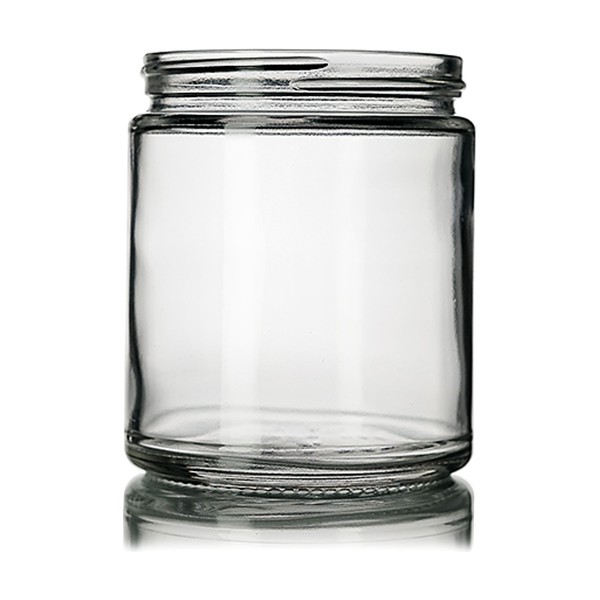
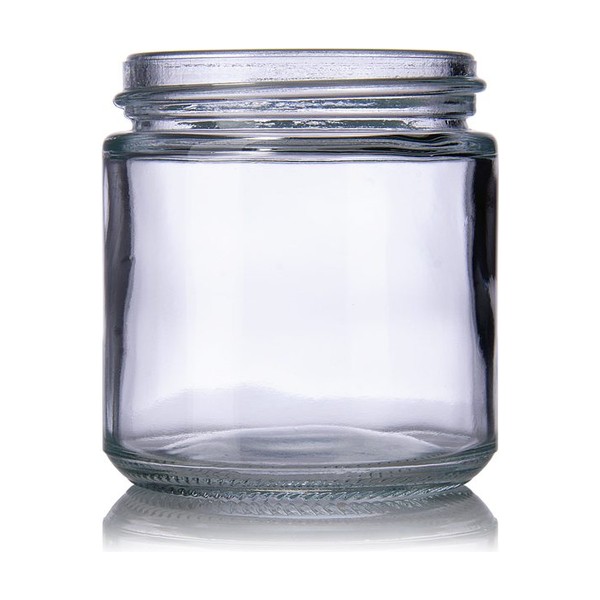
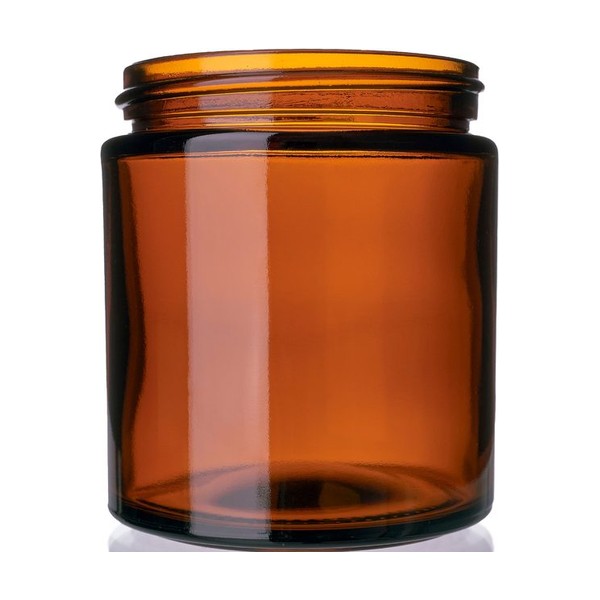
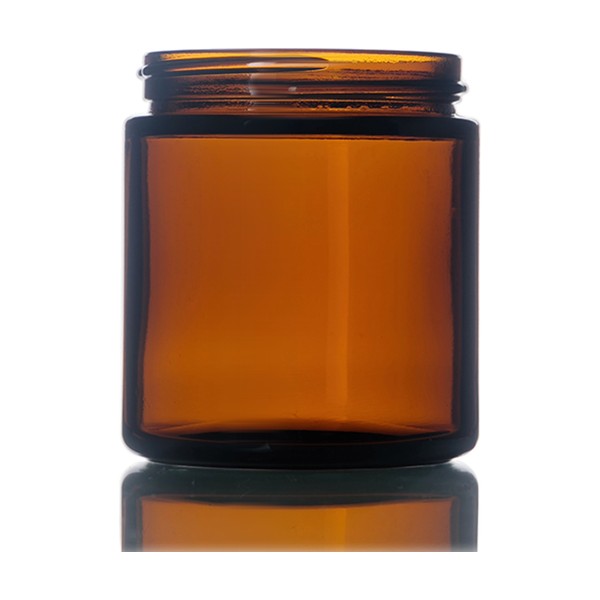
Make a container candle first. A container candle is wax poured into a jar or tin that holds it while it burns, so you need no mold, no mold release and no way of getting the candle out, and soft container waxes are forgiving to pour. Pillars stand on their own and need a harder wax and a mold. Votives are small molded candles made to burn in a holder. Tealights are tiny candles in their own cups, and tapers are tall, thin candles that are dipped or molded and hardest to get right. This page compares all five by wax, wick, difficulty and what goes wrong, so you can choose a first project and know what comes after.
The five kinds side by side
| Kind | What it is | Typical wax | Wick | Needs | Difficulty for a beginner | What usually goes wrong |
|---|---|---|---|---|---|---|
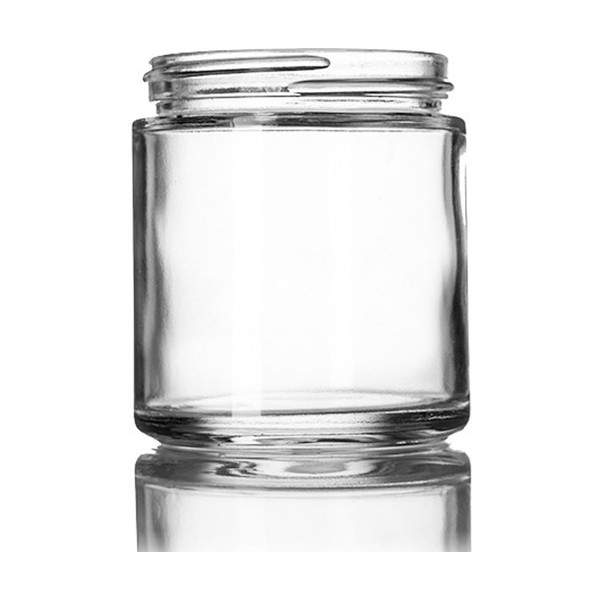
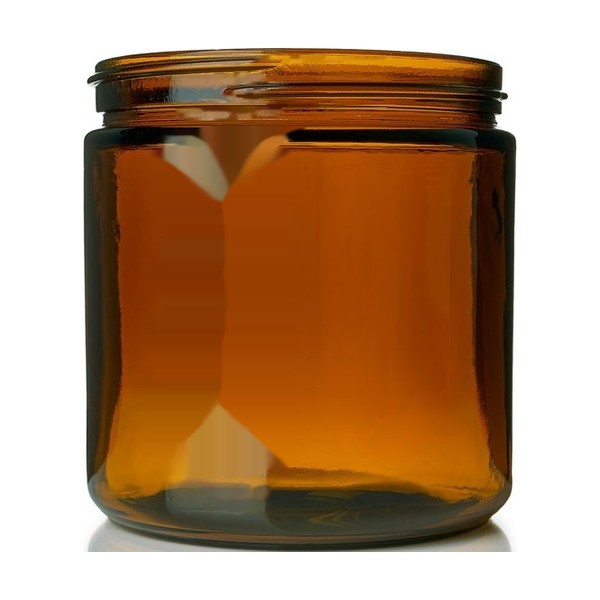
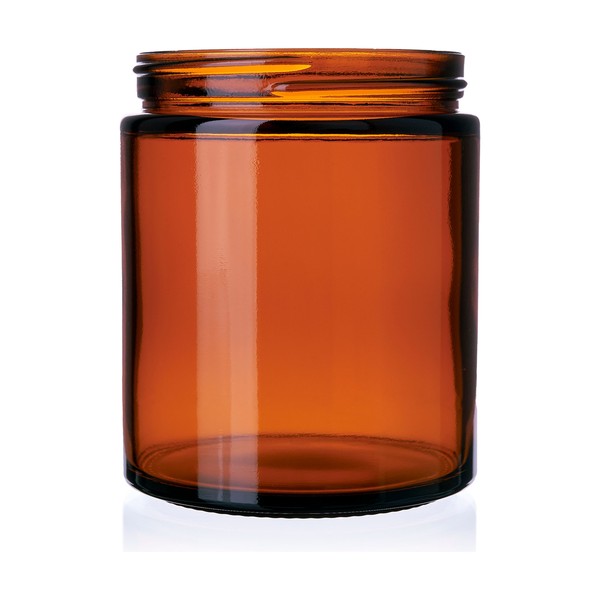
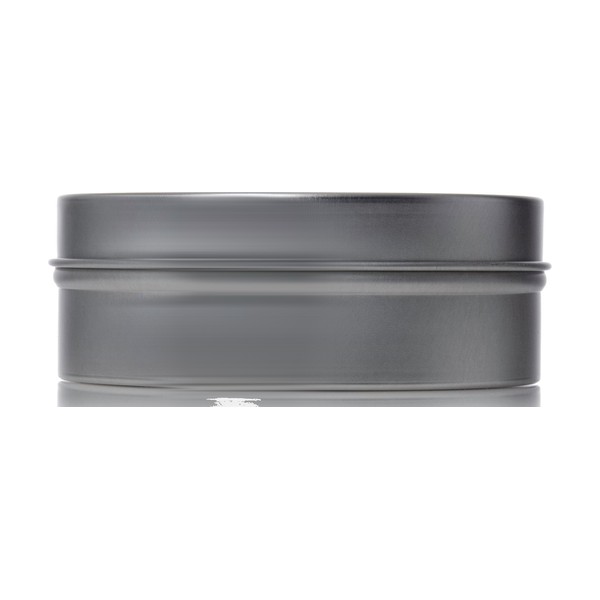
| Container | Wax poured into a jar, tin or other vessel that it burns in | Soft container wax, such as soy container waxes; CandleScience's SimplySoy is sold for container and tealight candles [1] | Pretabbed wick stuck to the jar floor, sized to the jar's diameter | A jar made for candles, wick stickers, a wick bar | Easiest | Tunneling, wet spots, rough tops, a jar that gets too hot |
| Pillar | A freestanding candle that holds its own shape | A harder wax made for molding. CandleScience sells IGI 1239A paraffin for pillars, votives and tarts, and lists soy waxes made for pillars [2] [3] | Wick threaded through the mold, sized to the pillar's diameter | A mold, mold release or a mold that releases on its own, often a second pour | Moderate | Sinkholes, air pockets, cracks, the candle sticking in the mold |
| Votive | A small molded candle made to burn inside a holder that contains its melted wax | Votive or pillar wax | Small wick, often pretabbed | Votive molds and a holder for burning | Moderate | Sinking in the center, wick drowning, burning without a holder |
| Tealight | A very small candle in its own cup | Container or tealight wax; SimplySoy lists a lower fragrance limit for tealights (5 percent, or 0.8 oz per lb) than for containers (10 percent) [1] | Pretabbed tealight wick | Tealight cups, a holder | Easy to pour, fiddly at scale | Wicks off center, flame too large for the cup |
| Taper | A tall, thin candle for a candlestick | Hard waxes; beeswax and paraffin are traditional | Wick through the full length | Dipping vat or taper molds, candlesticks that fit | Hardest | Dripping, bending, a wick that is too big or too small |
Why a container candle is the usual first project
The jar does half the work. A container holds the wax as it burns, so you do not have to get the candle out of anything. You can use soft waxes that would slump as a pillar, and you only pour once.
The wax is forgiving. Container waxes melt at modest temperatures. CandleScience lists SimplySoy's melt point as 122 to 128°F [1], and the manufacturer's instructions for Golden Brands GW 464 give 113 to 119°F [4]. Their working temperatures are low, and a beginner tutorial can be done in about 30 minutes [5].
It is what people buy. The National Candle Association reports that container and jar candles are currently the most popular type of candle with American consumers [6]. If you later sell, the skills carry straight over.
Published beginner instructions exist. Suppliers publish step-by-step container candle tutorials with a named wax, wick and jar, such as CandleScience's soy candle tutorial [5]. That lets you start with a combination someone else has already matched, which is the walkthrough on how to make a soy candle.
What a container candle asks in return is a jar that can take the heat. The jar is part of the candle's safety, and which glass is safe for candles explains what that means.
Freestanding candles: pillars, votives, tealights and tapers
Pillars
A pillar has no jar to hold it up or to catch its melted wax, so the wax has to be firm enough to hold its shape and the wick has to melt a pool that stays inside the candle's own wall. That is why pillar waxes are harder than container waxes, and why the wick size matters even more. Pillars are poured into molds, they shrink as they cool, and most need a second pour to fill the hollow that forms around the wick. Molds and release agents are compared on molds and mold release, and the process is on making pillar candles.
Votives and tealights
A votive is made to liquefy fully as it burns, so it has to sit in a holder. The holder matters: ASTM F2601, the fire safety standard for candle accessories that the U.S. Consumer Product Safety Commission lists among the standards it points businesses to [7], includes a test in which a candle and its holder must stay standing on a 10 degree incline [8]. Tealights come in their own cups but still need a heat-resistant surface or holder. One retailer protocol, Kohl's test protocol 100-Z for candles it buys, burns tealights to the end of their useful life in one continuous burn [9], which shows how buyers judge them. Both are covered on votives and tealights.
Tapers
Tapers are the most demanding. They are thin, so the wick has very little wax around it, and any mismatch shows as dripping or a flame that drowns. They are made by repeated dipping or in taper molds. Beeswax is a traditional taper wax: the UN Food and Agriculture Organization notes that beeswax melts at 61 to 66°C (most commonly 62 to 65°C), higher than most paraffin waxes (48 to 68°C), that beeswax candles remain straight at higher room temperatures, and that they are less likely to drip than candles of other materials when the wick is correctly proportioned to the diameter [10]. Making tapers and beeswax candles cover them.
Choosing your wax follows from the kind of candle
Each kind of candle points to a family of wax: container waxes for jars and tins, harder pillar and votive waxes for freestanding candles, beeswax or hard paraffin for tapers. Within each family, the product's own data sheet sets the temperatures and limits. The wax types page compares soy, paraffin, beeswax, coconut and blends.
A sensible order to learn in
- A container candle from a published tutorial, with the supplier's wax, wick and jar.
- The same candle in a different jar, so you learn to size a wick.
- A different fragrance in your tested jar, so you learn how oils change a burn.
- Tealights or votives, which introduce molds and holders on a small scale.
- Pillars, then tapers.
Starting with your first container candle
If you have a bag of container soy wax and a jar, you are ready for how to make a soy candle. If you want to try a freestanding candle instead, start with making pillar candles.
References
- CandleScience, CandleScience SimplySoy Artisan Wax (product page with applications and instructions), undated, read October 22, 2026. https://www.candlescience.com/wax/candlescience-simplysoy-artisan-wax
- CandleScience, IGI 1239A Paraffin Wax for Pillars, Votives and Tart Candles (product page), read October 22, 2026. https://www.candlescience.com/wax/paraffin-wax-for-pillars-votives-and-tart-candles
- CandleScience, Soy Wax (category page), read October 22, 2026. https://www.candlescience.com/wax/soy-wax/
- Voyageur Soap & Candle, Golden Brands GW 464 Soy Container Candle Wax (product page with manufacturer's instructions), undated, read October 22, 2026. https://www.voyageursoapandcandle.com/Golden_Brands_464_Soy_Wax_p/20264.htm
- CandleScience, How to Make a Soy Candle, updated October 27, 2025. https://www.candlescience.com/learning/how-to-make-a-soy-candle
- National Candle Association, Facts & Figures, modified September 9, 2025. https://candles.org/facts-figures/
- U.S. Consumer Product Safety Commission, Candles Business Guidance, undated, read October 22, 2026. https://www.cpsc.gov/Business--Manufacturing/Business-Education/Business-Guidance/Candles
- ASTM International, Increasing Candle Safety (Standardization News, March/April 2013), posted July 26, 2016. https://www.astm.org/news/increasing-candle-safety-ma13
- Kohl's, Test Protocol 100-Z: Candle (including freestanding, taper, tealight, votive, filled and novelty candles), revised February 2025, read October 22, 2026. https://link.kohls.com/content/dam/klink/100-Z-CANDLE.pdf
- Food and Agriculture Organization of the United Nations, Value-added products from beekeeping, Chapter 4: Wax, undated. https://www.fao.org/4/W0076e/w0076e12.htm