
How much time does candle making take?
Updated
On this page7
A small batch of container candles takes under an hour of hands-on work, but a candle is not ready the day you pour it. Expect a day or more for the wax to set, two days to a week or more of curing depending on the wax, and then many hours of burning to find out whether it burns well. For a candle you will keep or give away, plan on roughly a week from pour to a candle you trust. For a candle you will sell, plan on weeks per combination, because each scent, jar size and wick has to be burned to the end. This page sets out each stage with the supplier figures behind it.
The stages, with the figures behind them
| Stage | Hands-on time | Waiting time | Where the figure comes from |
|---|---|---|---|
| Set up, melt, add fragrance, pour, clean up | About 30 minutes for a 2 candle beginner batch | None | CandleScience's soy candle tutorial [1] |
| Setting | Remove wick bars and trim once the wax is hard | Containers left open for at least 24 hours for GW 464 soy wax | Golden Brands GW 464 instructions as published by Voyageur [2] |
| Curing before a test burn | None | 48 hours minimum for GW 464; CandleScience cured its coconut apricot test candles 3 days before hot throw testing | GW 464 instructions [2]; CandleScience Lab Notes [3] |
| First test burn | Check every hour, stay in the room | One session; Kohl's protocol uses 4 hour sessions for most candles | Kohl's test protocol 100-Z [4] |
| Burning to the end | A few minutes per session to record | Total burn time of the candle, split into sessions | Measured by you |
| Labeling and packing | Minutes per candle | None | Depends on your labels |
Why the curing figures differ
Cure is the time after pouring during which the wax keeps setting and the fragrance settles into it. Suppliers give different figures because their waxes differ. The GW 464 instructions ask for at least 48 hours before test burning [2]. CandleScience reports that the cold throw (the scent of the unlit candle) of its coconut apricot wax was strong after 24 hours and improved slightly after 1 week [3]. Neither figure is a rule for soy wax in general, and no general figure is given here. The curing page sets the named figures side by side and explains how to set your own cure by testing.
A first candle, day by day
Here is how the first week usually looks for a hobby maker using a soy container wax with a 48 hour cure, such as GW 464 [2]:
- Day 0 (an evening). Pour two or three candles. Leave them to set overnight where nothing will knock them.
- Day 1. Remove wick bars, trim wicks, label. Look at the tops and the sides of the jars.
- Day 2 or later. Once the cure on your wax's instructions has passed, run a first burn of about 4 hours on one candle while you are home to watch it.
- Days 3 to 7. Burn the same candle again in later sessions. Each session tells you more about the pool and the flame.
- End of the week. Decide whether to keep the recipe or make one change and pour candle two.
If the first burn shows a problem, candle two starts the clock again. That is normal. What your first candle will look like helps you decide what to change.
How long a candle takes to burn to the end
Nobody can tell you the total burn time of your candle in advance. It depends on how much wax the jar holds, the wax, the fragrance load and the wick, and you find it by burning one. What you can work out is how many sessions it will take once you know:
sessions needed = total burn time in hours ÷ hours per session
If a candle burns for a total of 40 hours and you burn it in 4 hour sessions, that is 10 sessions. At one session a day on weekdays, that is two weeks for one candle. A larger jar takes longer; a small tin takes less. Write down the start and end time of every session and add them up; that total is the burn time you can later state to customers. Kohl's protocol records burning characteristics hourly during a working day of up to 8 hours [4], which is how a lab fits long candles into a schedule. At home, shorter sessions are easier to supervise.
Why a new fragrance or jar adds weeks
The GW 464 instructions say every combination of container, wax, dye, fragrance and wick should be tested [2]. Each of those changes how the candle burns:
- A new fragrance can burn hotter or cooler and change how big a wick you need.
- A new jar with a different diameter changes how far the pool has to spread.
- A new wax has its own temperatures and its own cure.
- A new dye or a heavier dose can clog a wick.
So a range of four scents in two jar sizes is not one candle tested eight times. It can be eight different candles, each needing its own cure and its own burn to the end, often with more than one wick size tested for each. That is where the time goes for a seller. Which changes require a new test explains which changes need a full retest and which need only a check.
From first pour to a candle you can sell
Testing sets the calendar for selling. A seller typically needs to settle the recipe, cure, test the candidate wick sizes, burn the chosen candle to the end, and then label, insure and stock up before a first market. From first pour to first sale lays that out week by week. If your goal is the holiday season, start in summer.
Planning your first weeks
If you are deciding whether you have time for this, look at the waiting rather than the pouring. An hour on a Saturday is enough to pour; a few evenings at home are what the testing needs. The next question for most people is money, and what it costs to start prices a hobby start and a first selling season.
Top picks
Top containers for candles 4 oz · 58-400 · Glass · Amber · 2.6 in
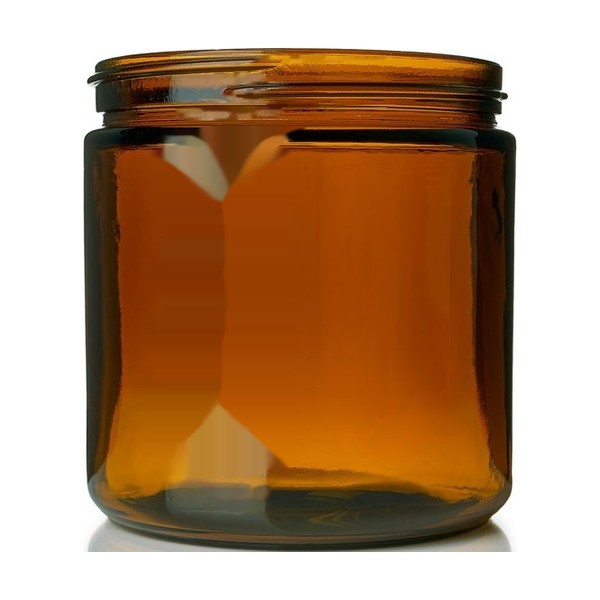 16 oz · 89-400 · Glass
 9 oz · 70-400 · Glass
 4 oz · 58-400 · Glass · Clear
 4 oz · 58-400 · Glass · Amber · 2.7 in
 6 oz · 63-400 · Glass
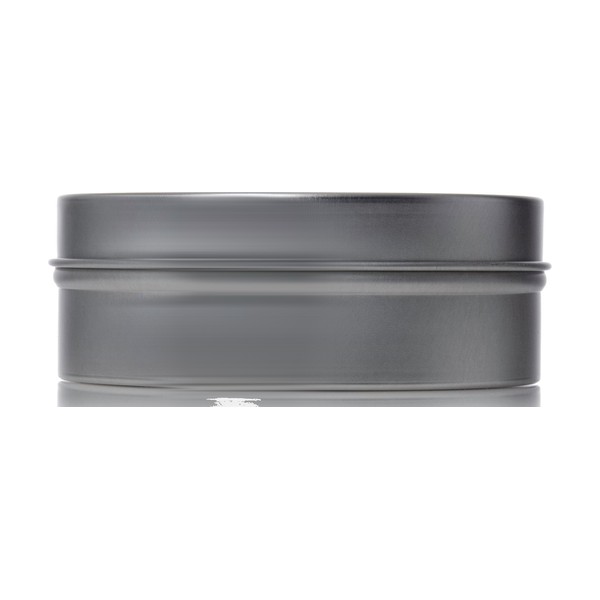 4 oz · Steel
 12 oz · 63-400 · Glass
References
- CandleScience, How to Make a Soy Candle, updated October 27, 2025. https://www.candlescience.com/learning/how-to-make-a-soy-candle
- Voyageur Soap & Candle, Golden Brands GW 464 Soy Container Candle Wax (product page with manufacturer's instructions), undated, read October 22, 2026. https://www.voyageursoapandcandle.com/Golden_Brands_464_Soy_Wax_p/20264.htm
- CandleScience, Lab Notes: CandleScience Coconut Apricot Wax, undated (images dated April 2024), read October 22, 2026. https://candlescience.com/lab-notes-candlescience-coconut-apricot-wax
- Kohl's, Test Protocol 100-Z: Candle (including freestanding, taper, tealight, votive, filled and novelty candles), revised February 2025, read October 22, 2026. https://link.kohls.com/content/dam/klink/100-Z-CANDLE.pdf