
The equipment you need for your first candles, and what you can skip
Updated
On this page9
For your first container candles you need a thermometer, a kitchen scale, a pouring pitcher set in a pan of water as a double boiler, wick stickers and something to hold the wick straight, plus scissors, paper towels and rubbing alcohol. That kit costs well under $100 at one candle supplier's October 2026 prices. A second, finer scale for small amounts of fragrance and dye is worth adding early. A heat gun is a finishing tool you can buy later, and a dedicated wax melter only earns its place once you pour more than a few pounds at a time. This page explains what each item does, what to look for and what it costs.
The short list, with prices
Prices are CandleScience's listed prices on October 22, 2026, before shipping and tax [1]. They are one supplier's figures, given to show the scale of the cost; other suppliers and kitchen shops sell equivalents.
| Item | What it does | Example and price (CandleScience, Oct 22, 2026) [1] | Need it for candle one? |
|---|---|---|---|
| Thermometer | Tells you when to add fragrance and when to pour | 8 inch glass thermometer, $5.98; 5.6 inch digital thermometer, $17.71 | Yes |
| Scale | Weighs wax, fragrance and dye | Small stainless steel scale, $30.71; large glass top scale, $37.21 | Yes, from candle two at the latest |
| Pouring pitcher | Holds the wax as it melts in a water bath, then pours it | Small pouring pitcher (holds 1 lb of wax), $10.75; pouring pitcher, $13.49 | Yes |
| Pan for the water bath | Turns the pitcher into a double boiler | A saucepan you already own | Yes |
| Wick stickers | Fix the wick tab to the floor of the jar | Large wick stickers, from $4.70 | Yes |
| Wick bar or wick setter | Holds the wick upright and centered while the wax sets | Wick bar, $5.08; single wick setter, $8.59 | Yes (a clothespin or two pencils will do for a first try) |
| Silicone work mat | Catches drips; peels clean | Black silicone work surface mat, $10.43 | Helpful |
| Scissors or wick trimmer | Trims the wick to the length your supplier gives | Scissors you own | Yes |
| Paper towels and isopropyl alcohol | Clean the jars before pouring and the pitcher after | Household | Yes |
| Heat gun | Smooths rough tops and remelts the surface | Not on CandleScience's equipment list on this date | Later |
| Wax melter | Melts and holds large amounts of wax at temperature | Stainless steel wax melter, 19 lb capacity, $101.94 | Only for larger batches |
CandleScience's own beginner soy candle tutorial uses an 8 inch glass thermometer, a small pouring pitcher, a double boiler or hot plate, a stirring spatula, paper towels, isopropyl alcohol, scissors, wick stickers and wick bars [2]. That list, plus a scale, is the whole first kit.
The thermometer
Every published set of wax instructions works by temperature: CandleScience adds fragrance to its SimplySoy wax at 185°F and pours at 160°F [2]; the manufacturer's instructions for Golden Brands GW 464 soy give a pour range of 125 to 145°F [3]. A thermometer that reads clearly across roughly 100 to 200°F is all you need. A glass candy-style thermometer clips to the pitcher and costs little; a digital probe reads faster. Whichever you use, check it against boiling water now and then, and do not rely on a cooking thermometer that has lost its calibration.
Two scales, or one good one
Candle recipes are written by weight. You weigh the wax, then weigh the fragrance as a share of it, and later the dye. A kitchen scale that reads to 1 gram handles wax and fragrance for most batches. A pocket scale that reads to 0.1 gram becomes useful once you make small test batches, because small amounts of oil and dye are where rounding hurts. The arithmetic shows why: at 6 percent of 200 g of wax, the fragrance is 12 g. A scale that can only show whole grams could be off by up to half a gram either way, about 4 percent of the oil. On a full pound of wax the same error hardly matters.
CandleScience lists two scales but does not publish their resolution on its equipment listing [1], so check the specification of any scale before you buy. Weighing, taring and recording are covered on weighing wax and fragrance.
A pitcher and a double boiler, or a melter
Double boiler
A pouring pitcher sitting in a pan of simmering water is the standard beginner setup. The water bath keeps the wax from getting much hotter than the water around it, which is the main safety point. The UN Food and Agriculture Organization's advice for beeswax, that wax should always be processed in water or a water bath and never heated over direct heat, makes the same point for a different wax [4]. CandleScience's small pouring pitcher is aluminum, holds 1 lb (454 g) of wax and can be cleaned by remelting the leftover wax in a double boiler and wiping it out [5]. One pound is the batch in the beginner tutorial, which makes 2 candles [2].
Keep the water topped up. A pan that boils dry is direct heat.
Wax melter
A wax melter is a heated tank with a thermostat and a tap. It holds wax at temperature for long pouring sessions and saves you refilling pitchers. CandleScience's smallest listed melter holds 19 lb and costs $101.94; its next size up holds 65 lb and costs $1,902.54 [1]. Unless you are already pouring several pounds at a time, a melter is a purchase for later. Melting wax compares the setups in more detail.
Microwave
CandleScience notes that its wax comes in a heat-safe bag that can be microwaved by following the instructions on the bag [2]. If you use that route, follow the bag's instructions exactly and use the thermometer before adding fragrance.
Keeping the wick straight
A wick that leans or drifts off center burns unevenly and can heat one side of the jar more than the other. Two cheap items solve it. A wick sticker fixes the metal tab at the base of a pretabbed wick to the center of the jar floor, and a wick bar or setter sits across the rim and holds the top of the wick upright while the wax cools [2]. Centering tools for several wicks exist too; CandleScience lists a multi-wick bar at $6.07 [1]. Fixing wicks in place covers stickers, glue dots and multi-wick setups.
What a heat gun is actually for
You use a heat gun to finish candles, never to melt wax. It smooths the top of a set candle by remelting a thin surface layer, which fixes the rough or bumpy tops soy wax often shows, and it can warm jars slightly before pouring. One supplier, Village Craft & Candle, describes remelting the top layer with a heat gun or hair dryer to smooth a bumpy top and warns that the bumps may come back after the first burn [6]. Never use a heat gun to melt wax in a pitcher, and keep it away from fragrance oil and paper. If you have a hair dryer, try that first.
What you can skip at the start
- A wax melter, until your batches outgrow a pitcher.
- Dye, until you have an undyed candle you like. Dye can affect how a wick burns, so it is one more variable to test.
- Fancy jars. Use plain jars sold for candles until your recipe works; see which glass is safe for candles.
- Molds, unless you are making pillars or votives, which is a different project described on kinds of candles.
- Specialist stirrers. A silicone spatula or a metal spoon works.
What to buy alongside the tools
The tools are a small part of the cost. Wax, fragrance oil, wicks and jars add up faster, especially once you start testing. What it costs to start making candles prices a hobby start and a first selling season, and setting up a place to make candles covers where it all goes.
Top picks
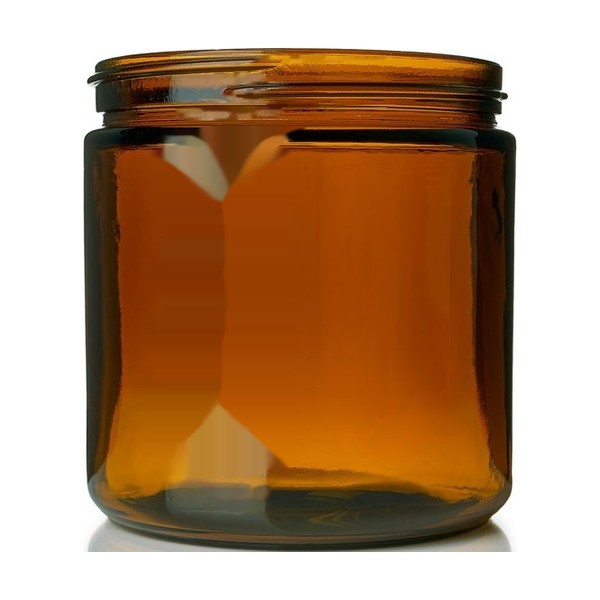
Top containers for candles 4 oz · 58-400 · Glass · Amber · 2.6 in
 16 oz · 89-400 · Glass
 9 oz · 70-400 · Glass
 4 oz · 58-400 · Glass · Clear
 4 oz · 58-400 · Glass · Amber · 2.7 in
 6 oz · 63-400 · Glass
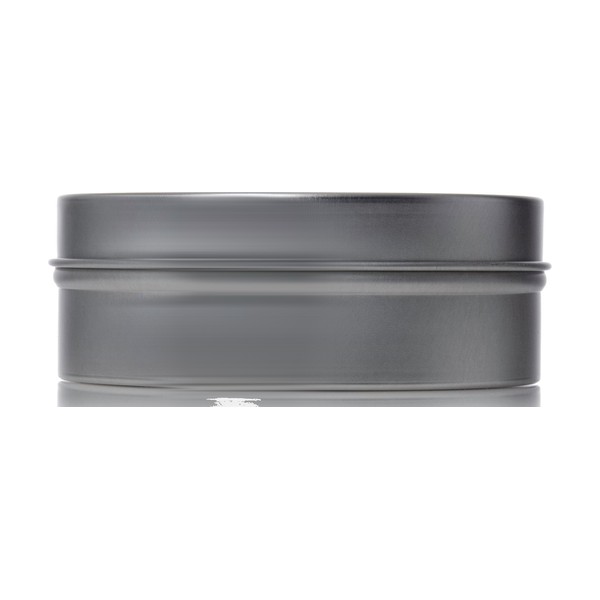 4 oz · Steel
 12 oz · 63-400 · Glass
References
- CandleScience, Candle Making Equipment (category page with listed prices), read October 22, 2026. https://www.candlescience.com/equipment/
- CandleScience, How to Make a Soy Candle, updated October 27, 2025. https://www.candlescience.com/learning/how-to-make-a-soy-candle
- Voyageur Soap & Candle, Golden Brands GW 464 Soy Container Candle Wax (product page with manufacturer's instructions), undated, read October 22, 2026. https://www.voyageursoapandcandle.com/Golden_Brands_464_Soy_Wax_p/20264.htm
- Food and Agriculture Organization of the United Nations, Value-added products from beekeeping, Chapter 4: Wax, undated. https://www.fao.org/4/W0076e/w0076e12.htm
- CandleScience, Small Pouring Pitcher (product page), read October 22, 2026. https://www.candlescience.com/equipment/small-pouring-pitcher/
- Village Craft & Candle, Top 10 Candle Making Problems and How to Solve Them (Erin Parsons), February 8, 2022. https://villagecraftandcandle.com/blogs/news/top-10-candle-making-problems-and-how-to-solve-them