
How do you price a candle?
Updated
On this page7
Price a candle from its cost, then check the result against the channel you sell through. Add up every material in one candle by weight or count (wax, fragrance, wick, vessel, lid, labels, box), add your labor and a share of overhead such as testing and insurance, and that is your cost. Set a wholesale price that leaves you a margin over that cost, and a retail price that leaves a shop its markup. Then subtract the fees of each channel, because Etsy, Faire and card processors take different amounts. The worked example below uses supplier prices read on October 22, 2026, and shows where your own figures go.
Step 1: cost the materials in one candle
Work from your specification sheet, because it lists every ingredient by weight (from a candle you like to a product you can sell). Convert each price to a price per gram or per piece, then multiply by what one candle uses.
The example is one container candle whose test pour measured 200 g of wax at the fill line (an illustration; measure your own on how full to fill a candle jar). It uses CandleScience SimplySoy, whose page lists a container fragrance load of 10 percent, or 1.6 oz per lb of wax (45 g per 454 g) [1]. Costing at a supplier's maximum gives you the highest fragrance cost the wax allows; use your own approved load instead.
| Line | Price read Oct 22, 2026 | Per unit | Used in one candle | Cost per candle |
|---|---|---|---|---|
| Wax, SimplySoy 45 lb case | $98.14 ($2.18/lb) [1] | $0.0048/g | 200 g | $0.96 |
| Wax, SimplySoy 1 lb bag | $4.79 [1] | $0.0106/g | 200 g | $2.11 |
| Fragrance, AFI-USA oil, 15 lb tier | $18.00/lb [2] | $0.0397/g | 20 g (10% of wax) | $0.79 |
| Fragrance, same oil, 200 lb tier | $13.00/lb [2] | $0.0287/g | 20 g | $0.57 |
| Fragrance, same oil, 1 oz sample | $10.00/oz [2] | $0.353/g | 20 g | $7.05 |
| Wick (with tab) | Your supplier's price per wick at the pack size you buy | 1 | your figure | |
| Vessel | Your quote, at the case quantity you buy | 1 | your figure | |
| Lid or dust cover | Your quote | 1 | your figure | |
| Front label, warning label, care card | Your printer's price per label at your run size | 1 set | your figure | |
| Box, wrap or insert, if used | Your quote | 1 | your figure | |
| Dye, if used | Price per unit of dye at the rate on your sheet | per sheet | your figure |
Three things the table shows. Buying wax by the case rather than the pound cuts the wax line by more than half at these prices. Sample-size fragrance is for testing only; costed at the sample price, the oil would be most of the candle. And the lines that most often decide the price are the ones only you can fill in: the vessel, lid and labels. Price them at the quantity you will actually buy. Per-wick prices are not shown because CandleScience's wick pages list only "from" prices without a pack count [3]; take yours from the pack you order.
The finished candle in this example weighs 220 g (200 g wax plus 20 g oil), about 7.8 oz; that measured figure, not the jar size, is what goes on the label (stating net weight on a candle). The fragrance arithmetic, including how 10 percent of the wax compares with percent of the candle, is on how much fragrance oil to use.
Step 2: add labor and overhead
Labor. Time a full batch, from setting up to cleaning down and labeling, and divide by the number of candles it made.
Labor per candle = (hours per batch × your hourly rate) ÷ candles per batch
Choose the hourly rate on purpose. If you leave labor out, the price assumes you work for free.
Overhead. Spread annual costs over the candles you expect to sell in a year. Include test candles (every scent and size you approve costs candles you burn and never sell), insurance, market fees, equipment and the share of shipping supplies you do not charge for. As an illustration: MoneyGeek's average general liability cost of $169 a year (insurance for candle makers) [4], spread over 500 candles, adds about $0.34 a candle.
Cost per candle = materials + labor + overhead
Step 3: set wholesale and retail prices
Set the wholesale price first, because it has to cover your cost and leave you a margin even when a shop is buying.
Wholesale price = cost per candle ÷ (1 minus your margin)
A 50 percent margin on a $6.00 cost gives $12.00 wholesale. Retail is then the wholesale price times the markup a shop applies, which you should ask your buyers about rather than assume.
Retail price = wholesale price × the shop's markup
If you sell direct (at markets or online), keep your own retail price the same as the price you suggest to shops, so your direct sales do not undercut the shops that carry you.
Step 4: subtract the channel's fees
The same retail price nets different amounts in different places. The full fee tables and their dates live on each channel's page; the short version:
| Channel | Fees on a sale (sources read October 22, 2026) |
|---|---|
| Etsy (U.S. seller) | $0.20 listing fee per item listed; 6.5% transaction fee on the item price plus shipping and gift wrap; payment processing 3% + $0.25; Offsite Ads 15% of an attributed order (12% for shops with $10,000 or more in sales over 365 days), capped at $100 an order [5][6] |
| Faire (U.S. brand) | 15% commission plus a $10 new customer fee on a retailer's first order; 15% on reorders; 0% commission on Faire Direct orders; payment processing 1.9%, 2.4% or 3.5% + $0.30 by payout speed [7] |
| Markets | Booth fee per event, plus your card reader's processing fee |
Worked example on Etsy, with an example price of $28.00 and $6.00 shipping charged (illustrative figures, not a recommendation): the transaction fee is 6.5% of $34.00, or $2.21; the listing fee is $0.20; payment processing at 3% + $0.25 on $34.00 is about $1.27. That is about $3.68, or 13 percent of the candle's price, before any Offsite Ads fee. Etsy's payments policy sets exactly what the processing fee is calculated on, so check it for your account [5][6]. Selling candles online and selling candles wholesale work through each channel in full.
Step 5: check the price against the market
Cost tells you the lowest price you can live with. The market tells you whether anyone will pay it. Listing prices change week to week, and a stale survey misleads, so no survey of candle prices is given here. Make your own, and date it:
- Pick 15 to 20 candles that compete with yours: same channel, similar size and wax, handmade.
- Record each one's price, net weight, wax, wick type and shipping charge, and the date you looked.
- Work out price per ounce of candle, so different sizes compare.
- Note where your candle sits, and what would justify a higher price (a tested burn time on the label, a vessel people reuse, a scent that sells).
If your cost-based price is well above the range, look first at the lines you can change: buying wax and oil in larger tiers, a different vessel, a less expensive label, fewer hours per batch. Pricing below cost fixes nothing.
Working it through with your own numbers
The candle price calculator takes your component, labor and fee costs and returns cost per candle, wholesale and retail prices. When you know your fixed costs for a season, the break-even calculator tells you how many candles that price has to sell.
Top picks
Top containers for candles 4 oz · 58-400 · Glass · Amber · 2.6 in
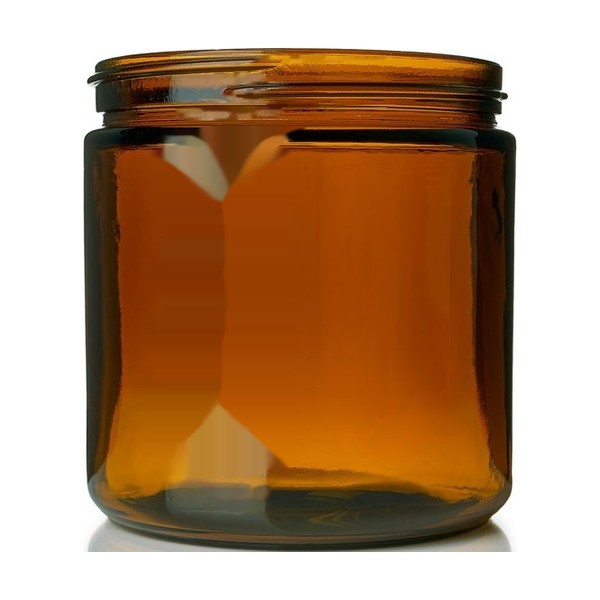 16 oz · 89-400 · Glass
 9 oz · 70-400 · Glass
 4 oz · 58-400 · Glass · Clear
 4 oz · 58-400 · Glass · Amber · 2.7 in
 6 oz · 63-400 · Glass
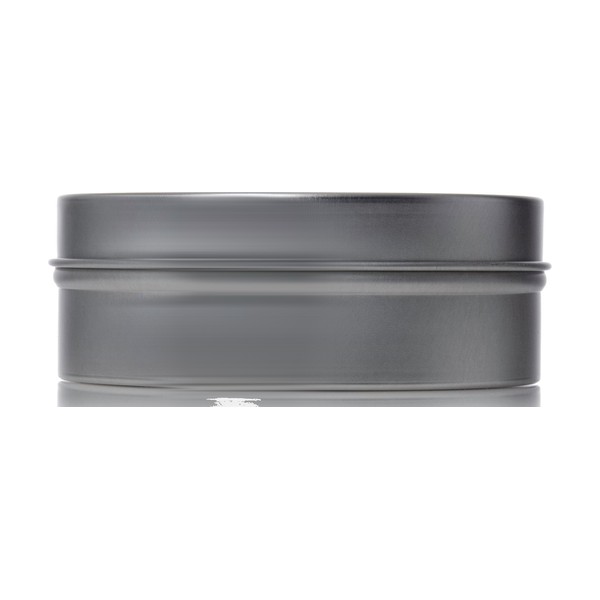 4 oz · Steel
 12 oz · 63-400 · Glass
References
- CandleScience, CandleScience SimplySoy Artisan Wax (product page), prices and usage read October 22, 2026. https://www.candlescience.com/wax/candlescience-simplysoy-artisan-wax
- AFI-USA, Compare to Aroma Ritual by AFI (fragrance oil F49712 product listing), prices read October 22, 2026. https://www.afi-usa.com/shop/fragrance-oils/F49712/compare-to-aroma-ritual-by-afi
- CandleScience, Candle Wick (category page), read October 22, 2026. https://www.candlescience.com/candle-wick
- MoneyGeek, Candle Maker Business Insurance Cost, updated August 31, 2026. https://www.moneygeek.com/insurance/business/candle/cost
- Etsy, Fees & Payments Policy, last updated October 5, 2026. https://www.etsy.com/legal/fees/
- Etsy, How to sell on Etsy (United States), read October 22, 2026. https://www.etsy.com/sell
- Faire, Help Center for Brands (North America fee articles) and Brand Terms of Service effective July 5, 2023, section 9, read October 22, 2026. https://www.faire.com/support/brands