
Why is my candle smoking, and what do I change?
Updated
On this page6
A candle smokes when its flame gets more fuel than it can burn cleanly, and the leftover carbon rises as smoke and settles as black film on the glass. The cause is usually the wick: too large, too long, or capped with a carbon head. After that come drafts, a fragrance load or particular oil the wick cannot handle, heavy dye, and a wick series that does not suit the wax. A little soot is normal; CandleScience says so plainly [1]. This page lists the causes in the order to check them, what to change for each, and when the candle is ready to test again. Measuring soot in a test is covered separately on measuring soot and smoke.
How much smoke is a problem
CandleScience's burn test instructions say "a bit of soot is totally normal and to be expected," and that occasional small bursts need no action. Frequent large plumes, or heavy soot building on the container edge, are its signs to go down a wick size [1].
For a candle you sell, the bar is set by what a buyer will accept. Kohl's, in the protocol it uses for candles it buys, records smoke hourly and fails an indoor candle if readings of intermittent smoke pass 20 percent of the hours burned, or continuous smoke passes 10 percent [2]. That is one retailer's requirement with no legal force, and the method is on measuring soot and smoke. If your candle smokes steadily for any part of a burn, treat it as a fault to fix.
The causes, in the order to check them
The order runs from the cause every source cited here names first, the wick, to the less common ones. This order finds most problems fastest. Nobody has published a measured ranking of soot causes, so treat it as a working order.
1. The wick is too large
What you see: a tall or dancing flame, smoke in puffs or a steady thread, a black ring forming near the rim, a deep pool, a hot jar. Why: CandleScience's troubleshooting page says "excess smoke is a sign you might be using the wrong wick size" [3], and its wick page ties an oversized wick to "excess soot, flame movement," and a container that gets too hot [4]. Supplies for Candles lists "soot appears on the vessel" among its signs to go down a size [5]. Change: go down one size in the same series. CandleScience lists "thick smoke, large puffs, continuous smoke, or a dark film around the rim" as reasons to size down, and says to confirm you are using the series it recommends for the wax [3].
2. The wick is too long, or carrying a carbon head
What you see: smoke on relighting that settles after a while, or smoke that grows as a black cap forms at the tip. Why: the National Candle Association (NCA) tells consumers to trim to 1/4 inch before each use, which it says prevents high flames and soot [6]. A mushroomed tip widens the flame and sheds carbon; see wick mushrooming and carbon heads. Change: trim to 1/4 inch (6 mm) cold, before every lighting. If the head comes back within an hour, the wick is over-fueled and item 1 or 4 applies.
3. A draft is pulling the flame
What you see: a flame that leans, flickers or jumps, smoke that comes and goes, soot on one side of the jar. Why: a disturbed flame burns incompletely. CandleScience says that if a flame moves excessively, a draft may be the cause [1], and Supplies for Candles names drafts among the usual causes of soot [7]. The NCA tells consumers to keep candles away from open windows, fans and air vents [6]. Change: move the candle and burn again before you change anything in the formula. If the smoke stops, the candle is fine and the room was not.
4. The fragrance load, or the particular oil
What you see: a wick that burned cleanly unscented smokes once fragrance goes in, or one oil smokes where others do not. Why: CandleScience says excess soot can come from a fragrance load that is too high or from certain fragrance oils [1]. Its wick recommendations assume a 7.5 percent load [4]. Change: for its soy wax, CandleScience advises a load of 6 to 8 percent, and no more than 10 percent [3]. That is its figure for its soy wax; your own wax's data sheet sets your limit (how much fragrance oil to use). If only one oil smokes, test that oil at a lower load or with a different wick, and record it as its own formula.
5. Heavy dye, or the wrong colorant
What you see: a deeply colored candle smokes where an undyed one of the same formula does not; the flame looks starved or uneven. Why: NI Candle Supplies warns that some dyes "can clog wicks, causing uneven flames" [8], and Supplies for Candles lists "excessive fragrance or dye" among soot causes [7]. CandleScience's wick recommendations assume no dye at all [4]. Change: use less dye, or switch to a dye made for candles at its maker's rate (coloring candles). That page also explains why pigments and crayons clog a wick.
6. The wick series does not suit the wax
What you see: you can get a clean flame or a full pool with this series, never both. Why: series differ in how they handle fuel. CandleScience reports that its CD wicks need a taller flame for a full pool, which "can lead to more flickering and smoking on average," while its LX wicks form a mushroom head that "can help reduce smoke and soot" [9]. Change: CandleScience's last step for soot is to try a different series if resizing does not help [3]. The series and the waxes they are sold for are on candle wick types.
7. Something besides the wick is burning
What you see: a second flame, a flare from a decoration or debris, smoke from the side of the candle. Why: that is secondary ignition, one of the four leading causes of candle fires that the ASTM fire safety standard targets [10]. Change: put it out now with a snuffer, not water [6], and read secondary ignition.
Smoke after you put it out
A thin trail of smoke when you blow out a wick is common. Supplies for Candles calls this after-smoke "usually harmless" and says a lot of it can point to the formula, the wick or the burning conditions [7]. A snuffer, which the NCA suggests [6], cuts it down. If the wick keeps glowing, measure how long; Kohl's requires the glow at the tip to go out within 30 seconds [2].
When to test again
Make one change, pour a new candle, let it cure to the time your wax's sheet gives, and run full sessions again. The GW 464 sheet's line applies to every soot fix: "Every combination of container, wax, dye, fragrances, and wick should be tested for burn quality" [11]. Which changes need a full retest is set out on what has to be retested.
What soot does once it is in the room
The black film on a jar is the visible part of what a candle gives off. What the research says about candle smoke and indoor air, and how far it can be trusted, is on what the research says about candle smoke.
Top picks
Top containers for candles 4 oz · 58-400 · Glass · Amber · 2.6 in
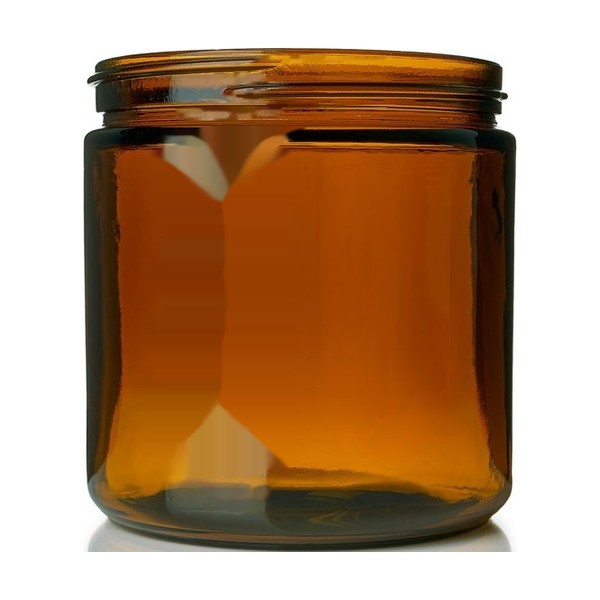 16 oz · 89-400 · Glass
 9 oz · 70-400 · Glass
 4 oz · 58-400 · Glass · Clear
 4 oz · 58-400 · Glass · Amber · 2.7 in
 6 oz · 63-400 · Glass
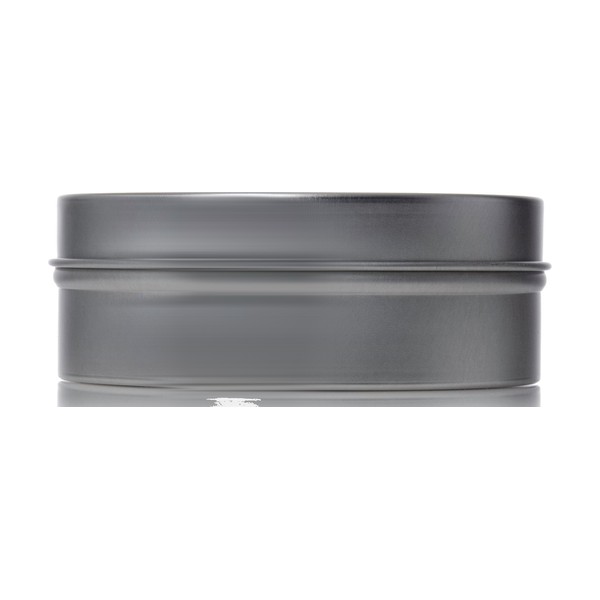 4 oz · Steel
 12 oz · 63-400 · Glass
References
- CandleScience, How to Conduct a Basic Burn Test, undated, read October 22, 2026. https://candlescience.com/learning/how-to-conduct-a-burn-test/
- Kohl's, Private Brands Performance Claims Test Protocols 100, Protocol 100-Z: Candle (including freestanding, taper, tealight, votive, filled and novelty candles), revised February 2025 (current revision; candle limits unchanged from 100-Y, February 2023), read October 22, 2026. https://link.kohls.com/content/dam/klink/100-Z-CANDLE.pdf
- CandleScience, Soy Wax Troubleshooting Guide, undated (images dated 2021), read October 22, 2026. https://www.candlescience.com/wax/soy-wax-trouble-shooting-guide/
- CandleScience, Candle Wick (category page and wick recommendations), read October 22, 2026. https://www.candlescience.com/candle-wick
- Supplies for Candles, The Complete Guide to Wick Testing: What Every Candle Maker Needs to Know, published February 26, 2026, modified September 2, 2026. https://www.suppliesforcandles.co.uk/the-complete-guide-to-wick-testing-what-every-candle-maker-needs-to-know/
- National Candle Association, Candle Safety Tips, modified August 12, 2025. https://candles.org/candle-safety/
- Supplies for Candles, Trouble Shooting, published October 15, 2025, modified August 26, 2026. https://www.suppliesforcandles.co.uk/trouble-shooting/
- NI Candle Supplies, The Only Candle Wick Guide You'll Ever Need, published June 24, 2025, updated September 17, 2026. https://www.nicandlesupplies.com/blogs/how-to-guides/the-only-candle-wick-guide-youll-ever-need
- CandleScience, Lab Notes: CandleScience Coconut Apricot Wax, undated (images dated April 2024), read October 22, 2026. https://candlescience.com/lab-notes-candlescience-coconut-apricot-wax
- Doug Clauson, Increasing Candle Safety, ASTM Standardization News, March/April 2013, posted July 26, 2016. https://www.astm.org/news/increasing-candle-safety-ma13
- Voyageur Soap & Candle, Golden Brands 464 Soy Wax (product page with manufacturer's instructions), undated, read October 22, 2026. https://www.voyageursoapandcandle.com/Golden_Brands_464_Soy_Wax_p/20264.htm