
Is candle making for you, as a hobby or to sell?
Updated
On this page8
Candle making suits you if you enjoy patient, repeatable work more than quick results. Pouring a candle takes well under an hour; finding out whether it burns well takes days of waiting and hours of watching a flame. As a hobby, you can make good candles for your home and for gifts within a few weeks using one wax and one jar. Selling asks more: tested candles for every scent and size, proper labels, insurance, and a calendar built around the holiday season. This page helps you decide which of those you want, and what each one will ask of you.
The pour is the short part
The first surprise for most new makers is where the time goes. CandleScience's beginner soy candle project is listed at about 30 minutes for 2 candles [1]. That is melting, adding fragrance, pouring and cleaning up. Then the candles have to set and cure before they are worth testing. The manufacturer's instructions for one common soy wax, Golden Brands GW 464, say candles should sit undisturbed for 48 hours before test burning [2]. Other waxes have other figures, so a cure time only means something when it is named to the wax it belongs to.
Then comes the burn test, which is where you learn whether the candle is any good. A burn test means lighting the candle and watching it: how wide and deep the pool of melted wax gets, how tall the flame stands, whether it smokes, whether the jar gets too hot. One published retailer protocol, Kohl's test protocol 100-Z (February 2025) for the candles it buys, burns most candles in 4 hour sessions and records what it sees every hour [3]. Kohl's protocol is a buyer's requirement rather than a law, but it shows the scale of the job: a candle is judged over many hours of burning.
So if you enjoy the making but not the watching, the hobby will still give you pleasant candles. If you want candles that burn cleanly and evenly every time, the watching is the craft. How much time candle making takes sets the hours and days side by side.
Making candles for yourself and for gifts
Most people who make candles make them for their own homes and to give away. That is a good place to stay for as long as you like. What it asks:
- One wax, one jar, one wick to start. Learn how a single combination behaves before you change anything. The GW 464 instructions say every combination of container, wax, dye, fragrance and wick should be tested [2], so each change you make is a new candle to learn.
- A few test burns. You do not need a lab notebook to make candles for your own table, but you do need to watch the first burn of anything new and stop if it misbehaves.
- A safe place to work. Melting wax is hot oil on a stove. Setting up a place to make candles and what to do if wax catches fire cover this.
- A warning label and burn instructions on anything you give away. A gift is still a small fire someone else will light. Giving homemade candles as gifts explains what should go with it.
Making candles to sell
Selling changes the job more than the candle. The table compares what each path asks.
| What it asks | For your home and gifts | To sell at markets, online or to shops |
|---|---|---|
| Testing | Watch the first burns of each new candle | Full burn tests of every scent, jar size and wick combination you sell, with records |
| Consistency | Nice to have | Required: the candle a customer buys in March has to burn like the one they bought in November |
| Labels | A warning label and burn instructions | The federal labeling minimum plus the warning label buyers expect; see what goes on a candle label |
| Federal rules | Few apply to gifts | The one candle-specific mandatory rule, on metal-cored wicks, plus cautionary labeling if the candle contains a hazardous substance [4]; see which laws apply |
| Insurance | Your homeowner's or renter's policy may matter for the workspace | Product and general liability cover, and whatever proof of it each market or shop asks for; see insurance for candle makers |
| Money | Supplies only | Supplies, test candles, labels, insurance, fees and your time; see what it costs to start |
| Calendar | Whenever you like | Built around the holiday season |
The U.S. Consumer Product Safety Commission lists one mandatory requirement written for candles: metal-cored wicks, and candles that use them, must not contain more than 0.06 percent lead in the metal core by weight [4]. That rule and its paperwork have their own page. Everything else that makes a candle sellable, from the warning label to the burn test, is either general product law or a standard that buyers and insurers turn into requirements. None of it is difficult. Together it is the work of a business.
The season decides more than most new sellers expect
The National Candle Association states that about 35 percent of candle sales happen during the Christmas and holiday season [5]. The association gives no year for that figure, so treat it as a rough share rather than a current measurement. It still tells you something useful: a seller who has not finished testing by early autumn has missed a large part of the year. Because testing takes weeks, the work for a holiday season starts in summer. Selling in the holiday season works back from November.
The same association reports that container and jar candles are the most popular type with American consumers [5]. That is one more reason most makers start with a container candle, and the kinds of candles page explains the others.
Why most new makers start with one wax and one jar
Every choice in a candle affects every other. A wax with a different melt point needs a different pour temperature; a stronger fragrance load can need a different wick; a wider jar needs a bigger wick or more than one. If you change three things at once and the candle tunnels, you cannot tell which change did it.
Starting with one wax, one jar size, one wick and one fragrance gives you a baseline. Once that candle burns well, change one thing, test again, and keep notes. That habit is the same one a seller needs for a full range, so it is worth building even if you never sell a candle.
Three honest questions before you buy supplies
- Will you enjoy the waiting? If two days between pouring and lighting sounds frustrating, start with a single small batch before you buy wax by the case.
- Do you have a place where hot wax and fragrance oil can be kept away from children, pets and open flames? If not, solve that first.
- Do you want to sell, or is that a maybe? If it is a maybe, make candles as a hobby for a season. Everything you learn carries over, and you will know far more about your candles before you spend money on labels and insurance.
From deciding to your first candle
If you are ready to try, the next decision is which kind of candle to make first. Container, pillar, votive, taper: which candle to make first compares them, and how to make a soy candle walks through a first pour. If you already know you want to sell, from first pour to first sale lays out the weeks.
Top picks
Top containers for candles 4 oz · 58-400 · Glass · Amber · 2.6 in
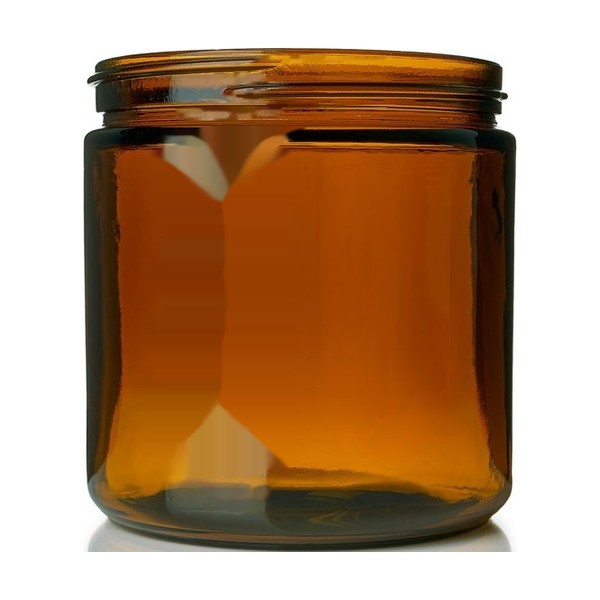 16 oz · 89-400 · Glass
 9 oz · 70-400 · Glass
 4 oz · 58-400 · Glass · Clear
 4 oz · 58-400 · Glass · Amber · 2.7 in
 6 oz · 63-400 · Glass
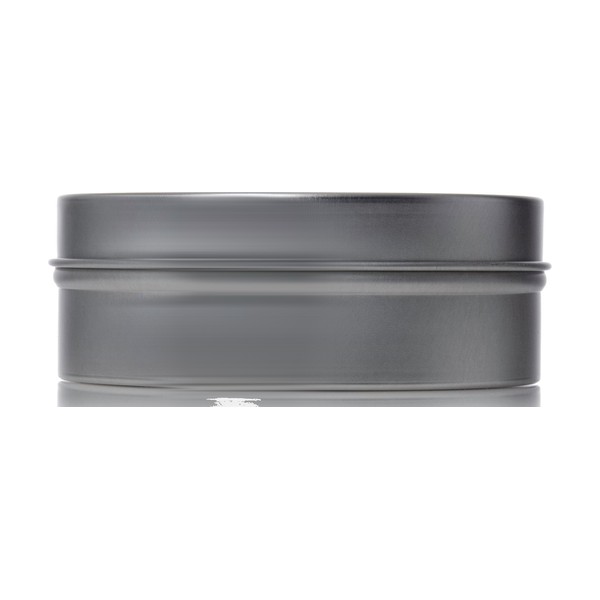 4 oz · Steel
 12 oz · 63-400 · Glass
References
- CandleScience, How to Make a Soy Candle, updated October 27, 2025. https://www.candlescience.com/learning/how-to-make-a-soy-candle
- Voyageur Soap & Candle, Golden Brands GW 464 Soy Container Candle Wax (product page with manufacturer's instructions), undated, read October 22, 2026. https://www.voyageursoapandcandle.com/Golden_Brands_464_Soy_Wax_p/20264.htm
- Kohl's, Test Protocol 100-Z: Candle (including freestanding, taper, tealight, votive, filled and novelty candles), revised February 2025, read October 22, 2026. https://link.kohls.com/content/dam/klink/100-Z-CANDLE.pdf
- U.S. Consumer Product Safety Commission, Candles Business Guidance, undated, read October 22, 2026. https://www.cpsc.gov/Business--Manufacturing/Business-Education/Business-Guidance/Candles
- National Candle Association, Facts & Figures, modified September 9, 2025. https://candles.org/facts-figures/