Supplement powders guide
Making Supplement and Nutrition Powders, From Your First Blend to a Powder Business
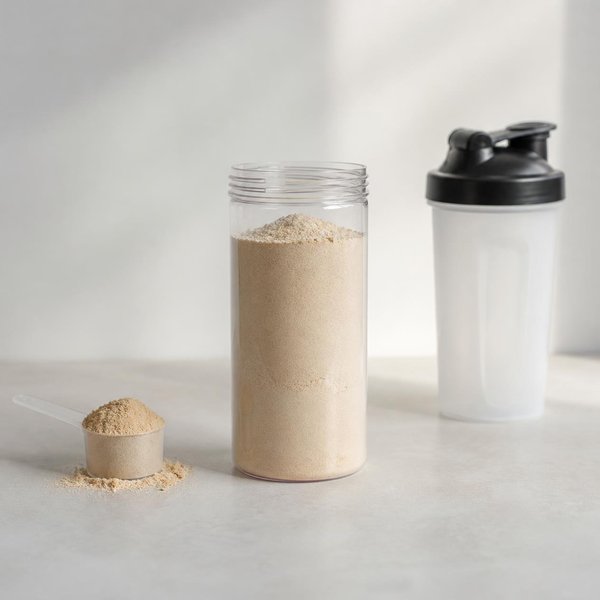
Most powder businesses start with a bag of whey, a tub of creatine or a kilo of citrulline, mixed in the kitchen to save money on pre-workout or an electrolyte drink. Then a training partner asks for a tub, a gym wants a house brand, and a co-packer sends a price list with minimums per flavor. This book follows that path in the order you live it. It covers getting the same amount into every scoop, why blends separate and cake, why a dry powder can still carry Salmonella, how the protein number on a label is measured and how it gets inflated, and what FDA says about bulk caffeine. It explains when a powder is a dietary supplement and when it is a drink mix sold as food, because that one decision sets the rules for everything after it. The federal rules every supplement shares have their full treatment in the companion book on capsules and tablets; the pages here link to them and add what a powder changes. Every number carries its source and the date it was checked, and nothing here recommends a dose.
For businesses packaging powders, with capacity, neck finish, case pack and case price published on every container.
Try , , ,
Chapter 1
1. Before You Start
Mixing your own protein or pre-workout is easy. Selling it as a supplement is federally regulated manufacturing from the first tub, and no state source found lets a supplement be made under a home food law; Michigan's list says so for powders by name. This chapter sets that out with its sources, then lays out the three real paths: blending and filling under the federal rules yourself, having a co-packer make it, or selling a plain drink mix as food. It gives a dated budget for each, explains where mixing only for yourself and friends stands, and lists what has to be in place before the first sale.
Chapter 2
2. Supplement or Drink Mix
A lemonade powder, an electrolyte mix and a collagen creamer can each be sold as a supplement or as a food, and the choice changes the panel, the manufacturing rule, the ingredients you may use and whether a home kitchen is even possible. This chapter applies FDA's 2014 guidance on the line between supplements and conventional foods to the powders small makers actually sell, using the paragraph that speaks to powdered premixes. It sets the two sides next to each other and explains what happens when you add collagen, vitamins, creatine, caffeine or herbs to a drink mix sold as food.
Chapter 3
3. Your First Blend
A home blend fails in two quiet ways: a small, potent ingredient never spreads evenly through the rest, and a scale that reads grams cannot weigh what a serving of caffeine actually is. This chapter covers the equipment worth having, a step-by-step method for mixing a small batch evenly by hand and checking it by weighing scoops, and FDA's figures on why bulk caffeine powder is so hard to measure safely at home. It closes with what can go wrong with a homemade powder and when to stop, call Poison Control or see a doctor.
Chapter 4
4. Blending, Density and the Scoop
A tub of powder is a dose delivered by a plastic scoop, from a blend that can separate in the hopper and settle in the truck. This chapter explains why particles of different size and density part company, how to choose and run a blender, and how to show a blend is uniform before you fill it. It sets out the arithmetic for sizing a scoop from your powder's density, what the one measured study of human scooping found about level and packed scoops, and why powders are filled and checked by weight.
Chapter 5
5. Moisture, Germs and Keeping
Electrolyte and pre-workout blends can turn to a brick in a humid kitchen because a mix of soluble ingredients pulls water from the air at a far lower humidity than any one of them alone. This chapter explains that with the published figures, what anticaking agents do and do not fix, and what water activity means for a dry powder. It covers the two recent Salmonella outbreaks traced to moringa and greens powders, why drying does not kill what is already there, how to keep germs out of a blend, how to store ingredients and finished tubs, and what supports a date on the label.
Chapter 6
6. Protein and Collagen Powders
The protein figure on a label comes from a nitrogen test, and added amino acids or creatine can make it read higher than the protein really in the tub. This chapter explains how protein is measured, what amino spiking is and what to put in a supplier spec and a lab request to show your number is real. It covers when you can show a percent Daily Value for protein and why collagen scores so low, what consumer testing found about lead and cadmium by protein source and flavor, and what changes when the powder is collagen.
Chapter 7
7. Pre-Workout, Caffeine and Creatine
FDA treats bulk pure caffeine powders as generally adulterated, and as recently as 2026 it found an unlawful stimulant in a pre-workout sold online. This chapter applies FDA's caffeine guidance to a pre-workout tub, sets out what a label must and should say about caffeine, and names the stimulants FDA has acted on with the other names they appear under on supplier paperwork. It closes with creatine: what FDA has said about creatine in powdered drink mixes sold as food, and which forms went through new dietary ingredient notification.
Chapter 8
8. Greens, Fiber, Electrolytes and Meal Replacements
Each of these powders brings a rule or a risk of its own. A greens powder is many raw botanicals in one tub, each with its own identity question. A psyllium or fiber powder raises the choking warning that federal rules require on fiber laxatives, and this chapter explains how far that rule reaches. An electrolyte mix sits near the line between a supplement, a food and a disease claim, and a meal replacement shake runs into the part of the supplement definition that excludes products sold as the sole item of a meal.
Chapter 9
9. Making and Testing Powders Under Part 111
The federal manufacturing rule for supplements is the same for a powder blender as for a capsule maker, and its full treatment is in the capsules book. This chapter adds what a powder changes: the checks a blend and fill run need, identity tests matched to protein, creatine, caffeine and botanical ingredients, where to pull samples from a finished batch and what to test them for, and how to clean a blender and filler between milk or soy products and allergen-free ones.
Chapter 10
10. Having Powders Made
Most protein and pre-workout brands start with a co-packer, and the general rules for that relationship are in the capsules book. This chapter covers what a powder changes: stock formulas and who owns the flavor, how minimums move with flavors and formats such as tubs and stick packs, and the clauses a powder quality agreement needs that a capsule agreement would not, from the protein test method to who answers for a half-empty tub.
Chapter 11
11. Tubs, Pouches and Stick Packs
Packaging for a powder has two jobs: keep moisture out, and look as full as the law expects once the powder has settled. This chapter compares tubs, pouches and stick packs by what each protects against, covers induction seals, liners and desiccants, and explains when single-serve packs make sense. It gives the federal rule on misleading containers with its six reasons for functional headspace, a trade group's reading of how it reaches supplements, and the lawsuits over protein tubs that made slack fill the classic complaint in this category.
Chapter 12
12. What Goes Wrong
Most powder problems show up in a customer's shaker, on a lab report or on the shelf. This chapter starts from what you see and works back to the cause: lumps that will not dissolve, protein that yellowed or smells stale, vitamins that browned, a batch that tested below its label, and pouches that puffed or seals that lifted. Each page separates quality problems you can fix from signs that a batch goes in the trash. Caking in the tub has its own page in the moisture chapter.
Chapter 13
13. The Powder Label
Every element of a supplement label has its full treatment in the capsules book. This chapter covers what a powder adds: a serving stated in scoops and grams that matches the scoop in the tub, servings per container worked from net weight, calories, sugars and protein on a Supplement Facts panel, and, for a drink mix sold as food, the Nutrition Facts label and what it needs.
Chapter 14
14. Claims, Athletes and Certification
"Builds muscle," "boosts energy" and "hydrates" are the words that sell powders, and some of them also bring a product under state age limits. This chapter applies the federal claim rules, written in full in the capsules book, to the language powder brands use. It compares what NSF Certified for Sport and Informed Sport say they test, from each program's own pages, explains what "third-party tested" and "clean" have to mean, and sets out what a coach, gym or team should ask before selling or buying a powder for athletes.
Chapter 15
15. Selling Powders
Powders sell through gyms, supplement shops, markets and websites, and the channel rules are in the capsules book. This chapter covers what powders add, then gives one page on where state law reaches a powder business: the New York and California laws on selling products marketed for weight loss or muscle building to minors, which reach a website that ships there, Proposition 65 and manufacturer licenses, with links to the full state pages, and where a drink mix sold as food is checked state by state. It ends with pricing a tub or a box of stick packs from your real costs.
Chapter 16
16. Tools and Reference
Working tools built on your own numbers. A scoop and servings calculator sizes a scoop from your serving weight and measured density and counts servings per tub. A caffeine calculator gives milligrams per serving, per level scoop and per container. A protein calculator works protein per serving from your supplier's spec, a batch and cost calculator gives ingredients to buy and cost per tub, and a tub fill calculator shows how full a container will be after settling. Record templates for a powder batch and a glossary round out the set.