Containers for liquids
For businesses packaging liquids, with capacity, neck finish, case pack and case price published on every container.
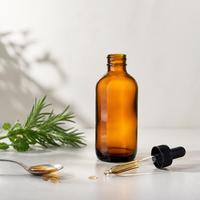
Top picks for liquids
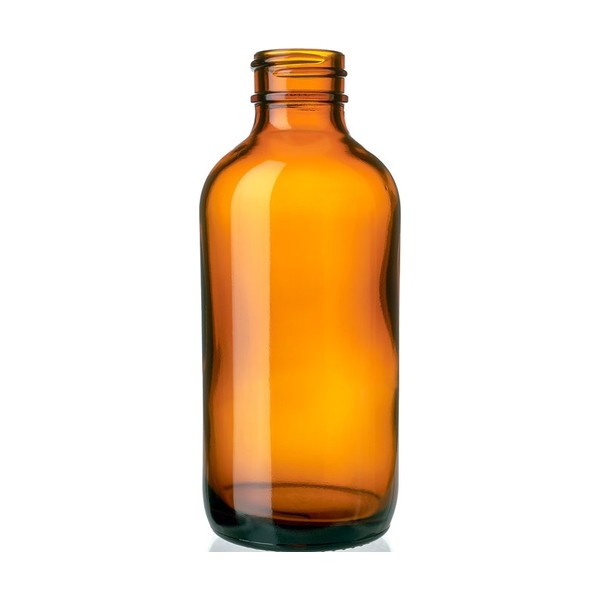 4 oz Amber Glass Boston Round$0.44 eachcase of 208
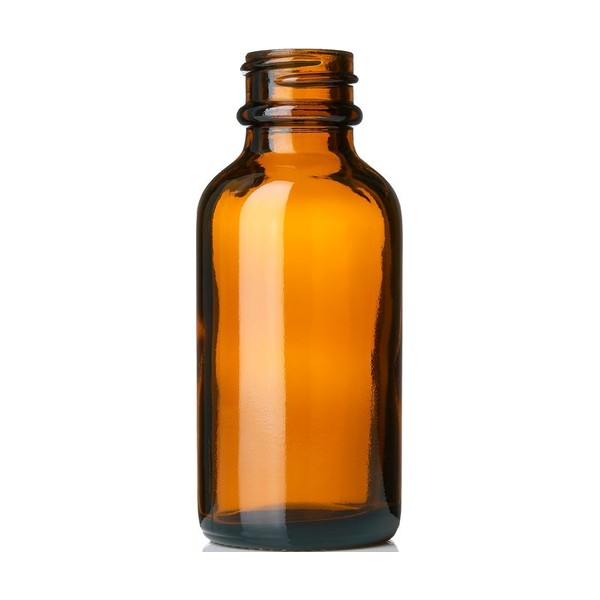 1 oz Amber Glass Boston Round$0.23 eachcase of 126
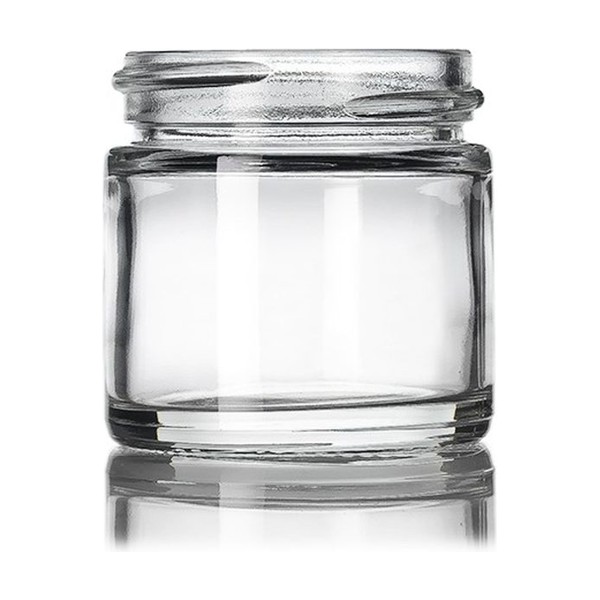 1 oz Clear Glass Straight Sided Jar$0.34 eachcase of 160
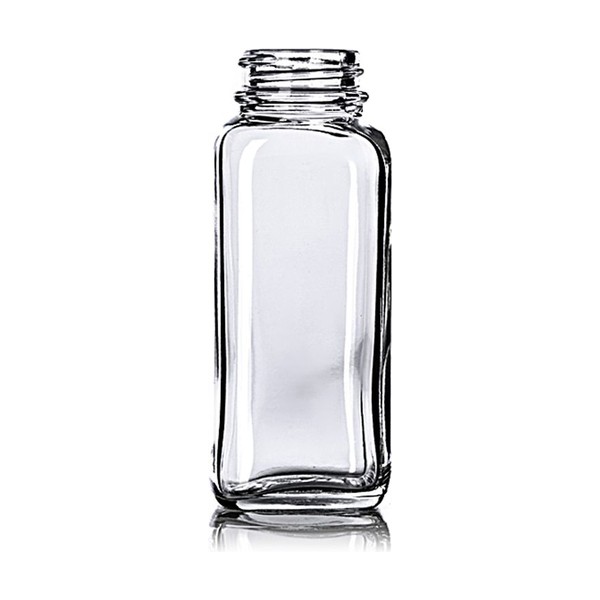 4 oz Clear Glass French Square$1.25 eachcase of 120
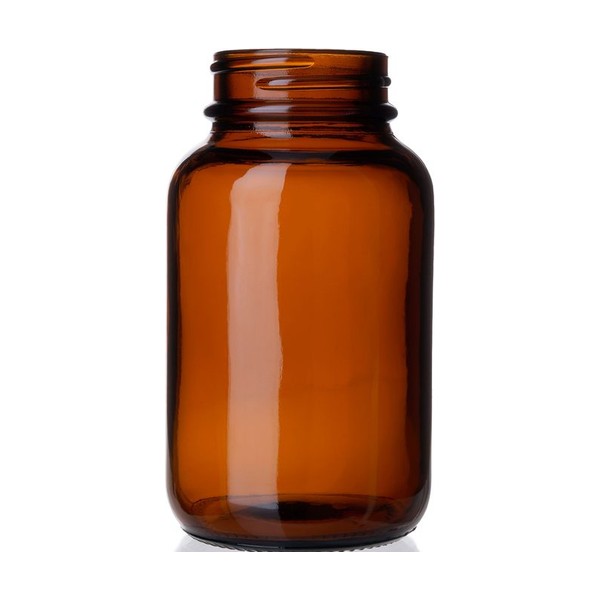 120 cc Amber Glass Packer Bottle$0.51 eachcase of 126
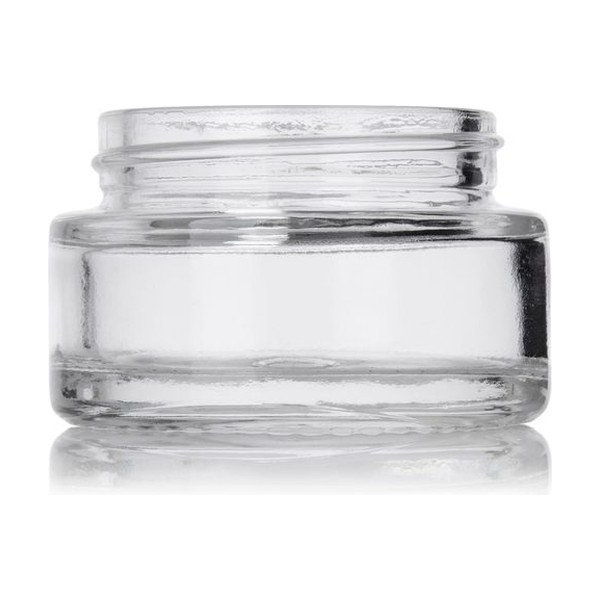 0.5 oz Clear Glass Low Profile Jar$0.27 eachcase of 240
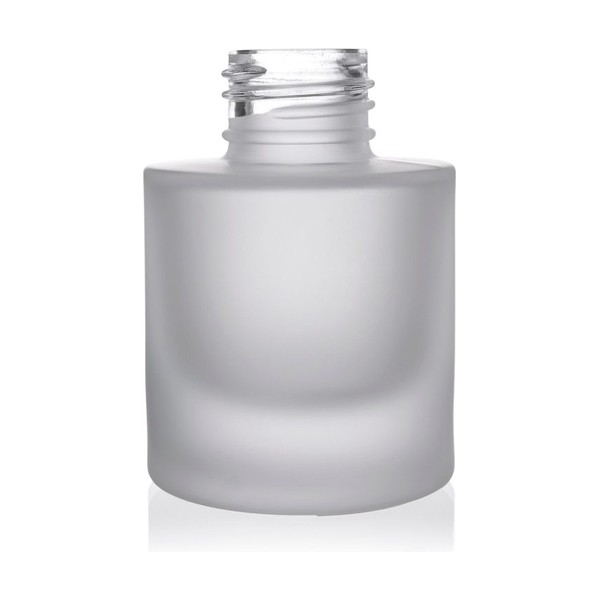 1 oz Frosted Glass Cylinder Bottle$1.30 eachcase of 240
Guides
Getting started
Is this for you at allA manufacturing rule, a claims regime and a category that attracts enforcement. Easy to enter and easy to get wrong.What it costs to startIngredients and bottles are cheap. Testing, documentation and label review are the real entry cost.Turning a batch into a productA specification you set, records that show you met it, a panel that matches, and language you can defend.
What you may say
The line: function, not diseaseYou may say what it does to the body. You may not say what condition it addresses. The difference is the whole category.The disclaimer, word for wordTwo sentences, prescribed exactly, required whenever you make a structure/function claim.Notifying FDA, within thirty daysA structure/function claim triggers a notification with the statement, the ingredient, the product and a certification.
The label
Supplement Facts, not Nutrition FactsA different panel with its own rules: the heading larger than all other print, a serving size suited to the form.What else has to be on itIdentity, net quantity, ingredients, allergens, responsible party, and for this category a few more.Panel real estate on a 30 ml bottleRequired text does not shrink. On a small bottle it is the constraint that shapes the whole package.
Making it
What cGMP actually asks forWritten procedures, specifications you set and meet, identity testing, and batch records. Part 111 in practice.Identity, and why a certificate is not verificationBotanical names are shared, adulteration is real, and the obligation to establish identity sits with you.The carrier, and what it decidesAlcohol, glycerin or oil changes what is extracted, how long it keeps, and who will buy it.
What goes wrong
A claim you cannot supportThe most common failure in this category, and it is usually made somewhere other than the label.It clouded, separated or threw a sedimentPlant material coming out of solution, usually with cold or time. Mostly cosmetic and it has to be expected.It is inconsistent batch to batchBotanical material varies by origin, season and part. The panel does not, which is the tension.The dropper and the serving size disagreeA panel in teaspoons and a dropper that delivers milliliters is a contradiction the buyer has to resolve.
Bottles and droppers
Why the shelf is dark glass60 containers qualify, every one glass, and 30 of them block light. That is the category answering a real problem.Droppers and closures20-400 is the dropper finish and it dominates this shelf. The pipette is a measuring instrument, not a lid.Bottle sizes, and the label that has to fit15 to 120 ml on this shelf. The mandatory text does not shrink, so size is a labeling decision too.