Containers for oils and vinegars
For businesses packaging oils and vinegars, with capacity, neck finish, case pack and case price published on every container.
Top picks for oils and vinegars
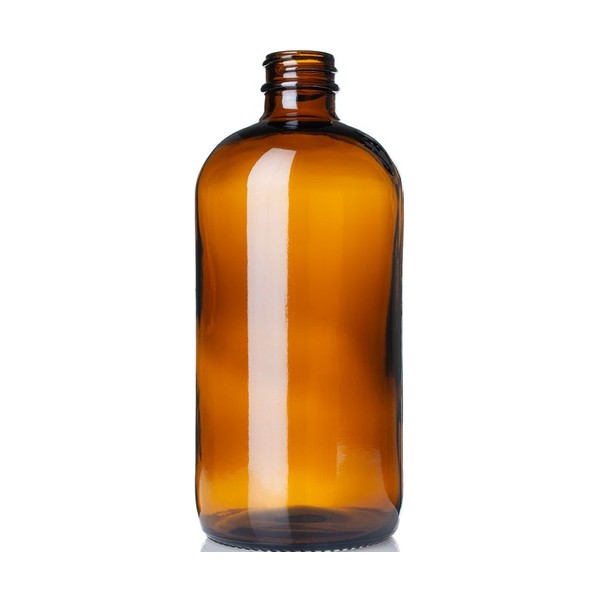 16 oz Amber Glass Boston Round$1.13 eachcase of 60
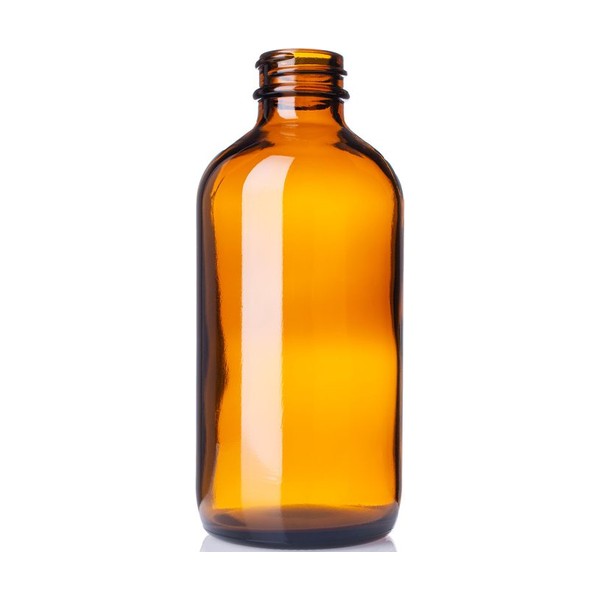 8 oz Amber Glass Boston Round$0.69 eachcase of 96
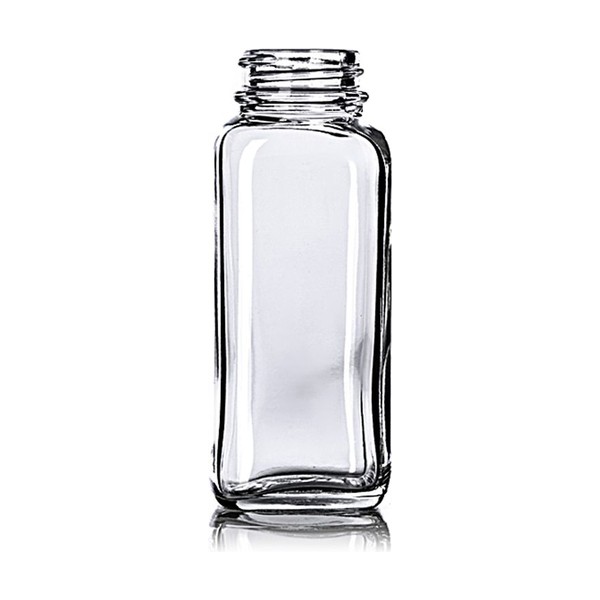 4 oz Clear Glass French Square$1.25 eachcase of 120
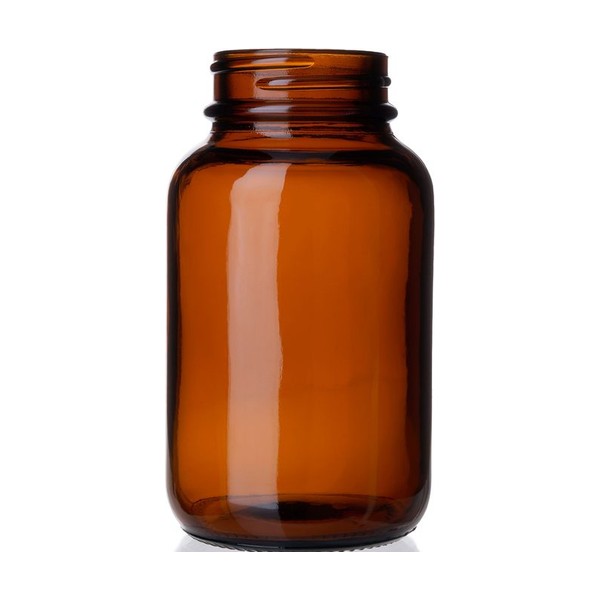 120 cc Amber Glass Packer Bottle$0.51 eachcase of 126
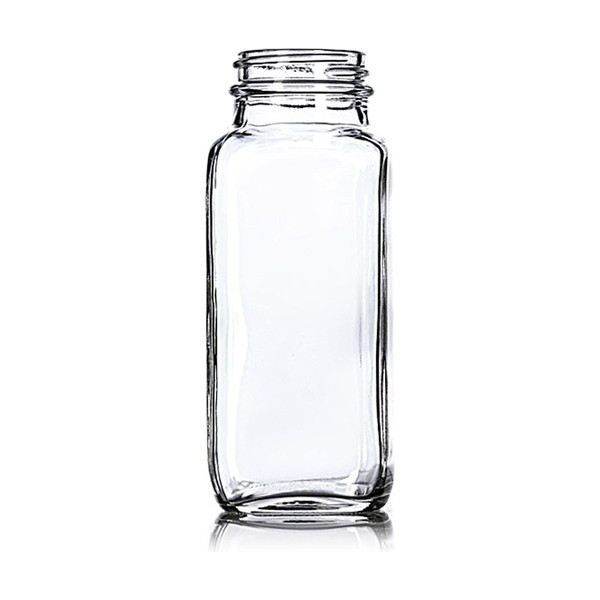 8 oz Clear Glass French Square$1.59 eachcase of 84
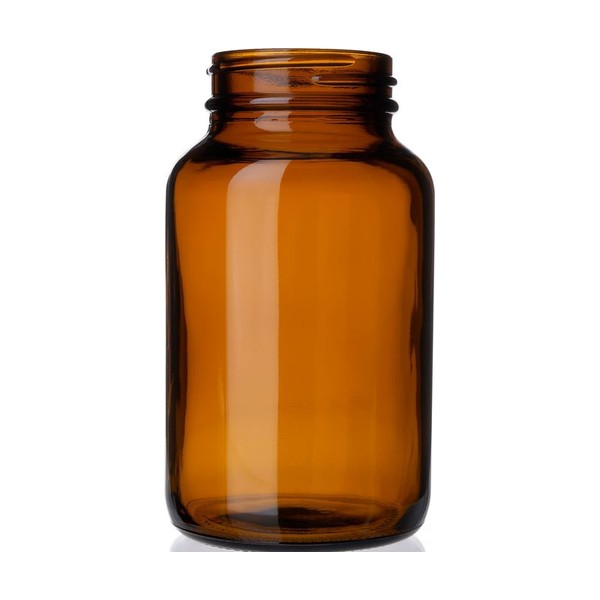 200 cc Amber Glass Packer Bottle$0.61 eachcase of 72
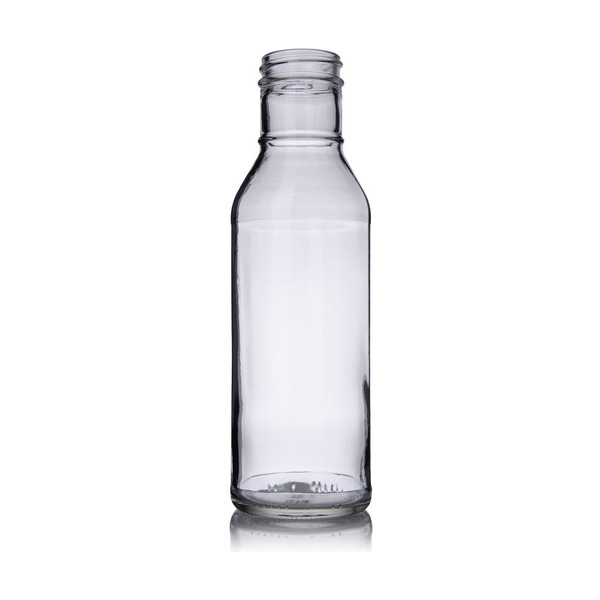 12 oz Clear Glass Sauce Bottle$1.11 eachcase of 12
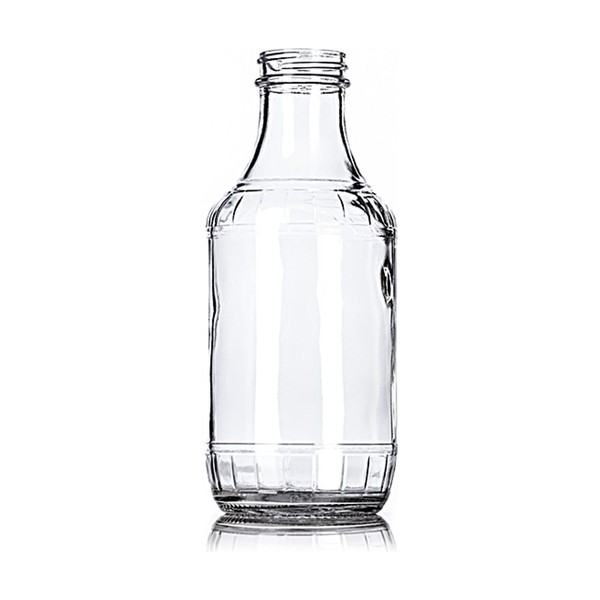 16 oz Clear Glass Sauce Bottle$1.18 eachcase of 60
Guides
Getting started
Is this for you at allTwo crafts share this shelf. One buys oil and adds something to it, the other ferments. Only one of them has a serious hazard.What it costs to startOil is bought, so the cost is inventory. Vinegar is made, so the cost is time and space. The testing is the line nobody budgets for.Turning a batch into a productA product is a repeatable oil, a documented infusion method, a bottle and a shelf life you can defend.What your state allowsA plain vinegar is often cottage food. An infused oil usually is not, because it is the one product here with a process behind it.
The oil itself
What degrades an oilOxygen, light, heat and time. Nothing in the bottle is fighting back, which is why the bottle does the work.Grades, and the number behind extra virginU.S. Extra Virgin is free fatty acid not more than 0.8 g per 100 g and a sensory panel median. Both, not either.Buying bulk oil, and what to ask forHarvest date, grade with the lot it applies to, and how it was stored before it reached you.A finishing oil or a cooking oilThey are sold to different people, in different sizes, at different prices, and only one of them survives being heated.
Infusing
Herbs and garlic under oilA low-acid solid in an oxygen-free environment at room temperature is the textbook condition for Clostridium botulinum.Acidified infusion, and why it is a procedureThe published method soaks the botanical in a citric acid solution before it ever meets the oil. The detail is the control.Dried herbs, refrigeration and the other routesDried material carries less water, refrigeration buys days not months, and both have published limits worth knowing.Flavored or infused, and what each word promisesOne carries a solid and a process; the other does not. The difference shows up in the hazard, the price and the label.
The vinegar side
The four percent ruleNo standard of identity exists for vinegar. FDA policy is 4 grams of acetic acid per 100 mL, and that number does real work.Naming a vinegar, and a 1924 Supreme Court caseCider vinegar means fermented apple juice. Vinegar made from dried apples has to say so, and the Supreme Court settled why.The mother, and what live vinegar means in a bottleA cellulose mat from the bacteria that made the vinegar. Harmless, expected by some buyers, and a complaint from others.Shrubs and drinking vinegarsVinegar, sugar and fruit, sold to be drunk rather than cooked with. Diluting the acid is the thing to watch.
What goes wrong
It went rancidCrayon, putty or stale nuts on the nose. Oxidation, and the cause is almost always light, heat, headspace or an old starting oil.It clouded or went solidCold, usually, and reversible. Natural waxes and fats coming out of solution, which an unfiltered oil does sooner.Sediment in the bottleIn an oil it is usually solids from an infusion or unfiltered material. In a vinegar it is usually the mother.The infusion fermentedBubbles or pressure in an infused oil means something had enough water and sugar to work. Treat it as a batch problem.It never got sour enoughA vinegar that stalled below strength. Temperature, air and an alcohol level the bacteria could not work in are the usual causes.A claim you cannot supportExtra virgin, cold pressed, first press, raw, unfiltered. Each is checkable, and some are checkable against a grade standard.
Bottles and closures
Amber, blue or clearLight is the one degradation path a bottle can stop outright. 19 of the 40 bottles on this shelf do, and 21 do not.Glass, and why there is no plastic on this shelfEvery one of the 40 bottles that qualifies is glass. Oil over a long shelf life is a demanding thing to hold.Bottle sizes, and the headspace argumentFrom 100 to 946 ml on this shelf. For a premium oil the smaller bottle is often the better product, not the cheaper option.Closures and the pourNeck finish decides what fits. Oil and vinegar are poured in different quantities, which changes what a good closure does.
Selling it
What the label has to carryIdentity, net quantity, ingredients, allergens and the responsible party, plus the dilution statement a vinegar may need.Naming it, and the words already spoken forOlive oil grades and the vinegar definitions both constrain the name. Everything else you describe honestly.Who inspects youYour state department of agriculture. The infused oil is the product that will get the most attention.What to chargeFor oil the dominant cost is the oil. For vinegar it is months of space. Both carry glass freight.
Growing the operation
Tools and directories
The acid strength checkTitration against a standard. The only way to know a vinegar reached four percent, and the number a label may depend on.The batch log, and the fields that matterSupplier lot and pressing date, the infusion method with its numbers, and the acid strength. Those three carry the property.