Containers for resin and casting
For businesses packaging resin and casting, with capacity, neck finish, case pack and case price published on every container.

Top picks for resin and casting
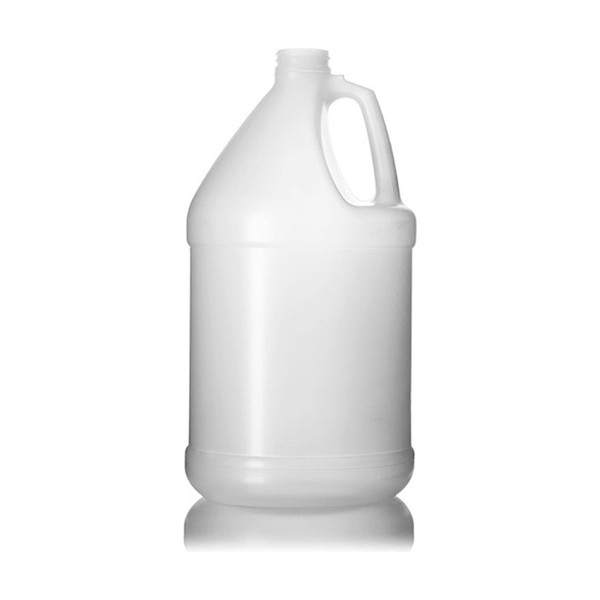 1 gallon Natural HDPE Industrial Round Bottle$4.03 eachcase of 24
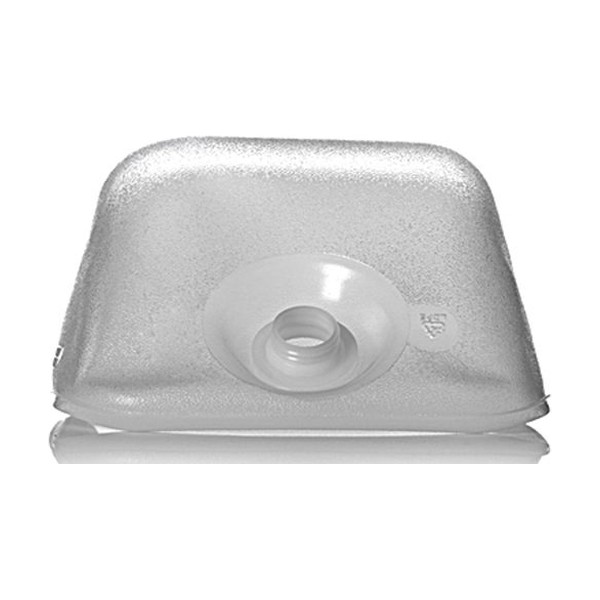 2.5 gallon Clear LDPE Collapsible Water Container$6.89 eachcase of 36
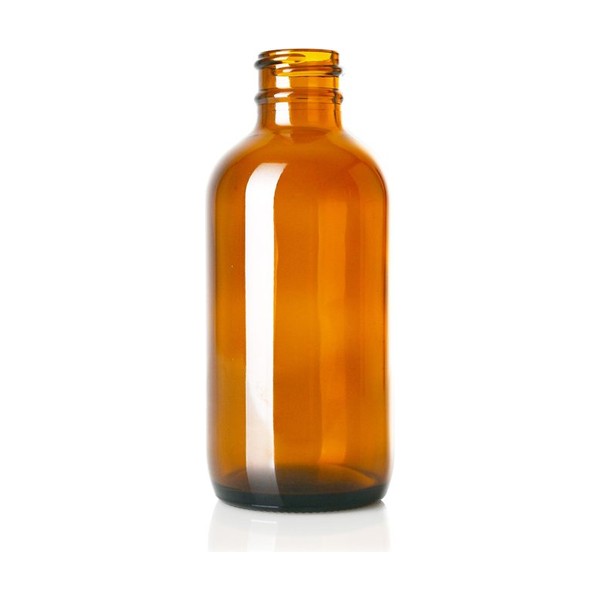 4 oz Amber Glass Boston Round$0.44 eachcase of 128
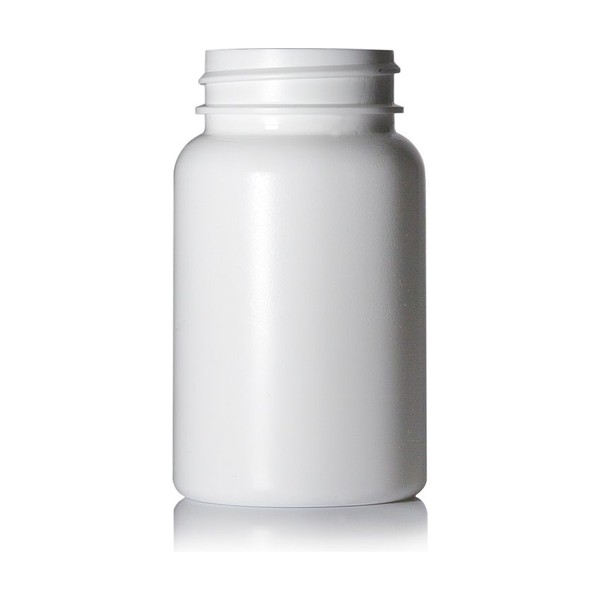 100 cc White HDPE Packer Bottle$0.26 eachcase of 640
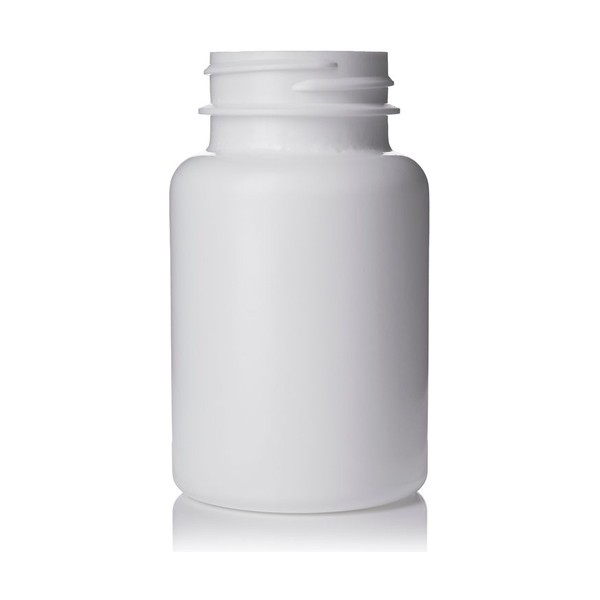 120 cc White HDPE Packer Bottle$0.33 eachcase of 580
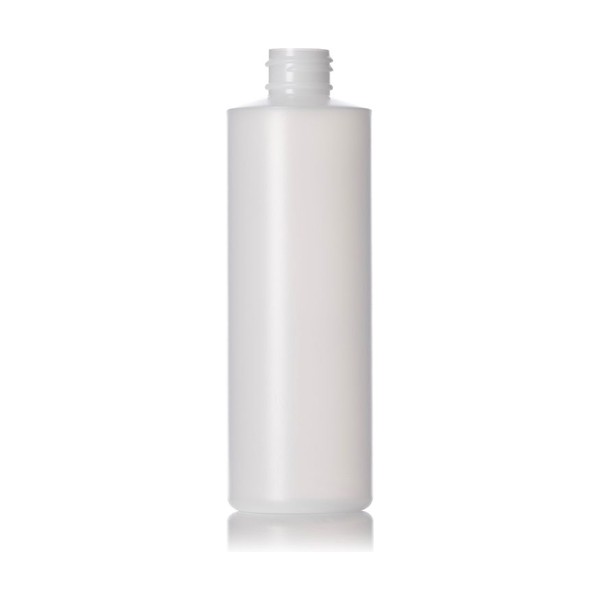 8 oz Natural HDPE Cylinder Round$0.46 eachcase of 429
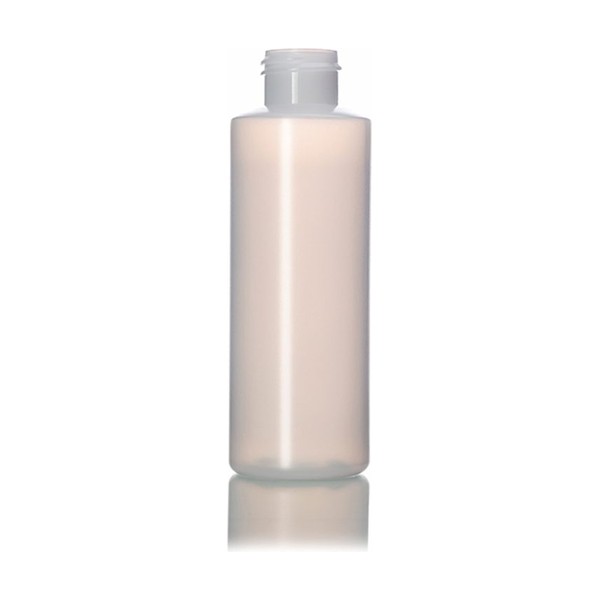 4 oz Natural HDPE Cylinder Round$0.44 eachcase of 489
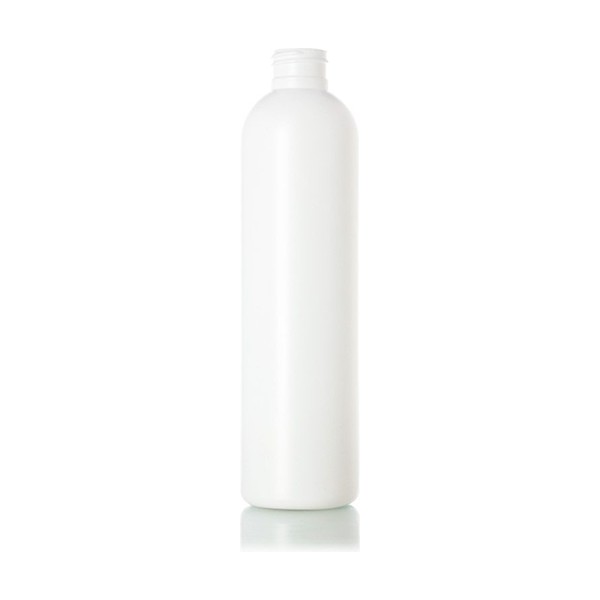 8 oz White HDPE Imperial Bullet Cosmo$0.42 eachcase of 396
Guides
Getting started
Is this for you at allThe materials are easy to buy and the exposure is permanent. That combination is what makes this craft different.What it costs to startThe resin is the recurring cost and the protection is not optional. Ventilation is the line people skip.Reading the safety data sheetSixteen sections in a fixed order. Four of them answer almost everything you need to know.What your state allowsMaking it is lightly regulated. Selling it to consumers, and getting rid of the waste, are where the rules are.
The chemistry
Two parts, one reaction, and why the ratio is not a recipeResin and hardener are reactants, not a mixture. Off-ratio does not cure soft, it cures wrong and stays wrong.Exotherm, and the runawayThe cure makes heat, heat speeds the cure. In a deep pour or a full cup that loop can run away.Cure, post cure, and why a day is not doneHard enough to handle is not fully reacted. Properties keep developing for days.Silicone, and why it behaves differentlyA different chemistry with a different failure: inhibition. Some materials stop it curing entirely.
Exposure
Sensitization, and why it does not reverseThe FHSA defines a strong sensitizer as causing a hypersensitivity that shows on reapplication. That is epoxy.The three routes inSkin, airborne, and dust from sanding. Most makers control one and ignore the other two.Gloves and ventilation, specificallyNitrile not latex, changed often not washed. Ventilation that moves air out rather than around.
What goes wrong
It stayed tackyOff ratio, under mixed, or cured too cold. Three causes and the pattern on the piece tells you which.It overheatedToo much mass, too deep, too warm, or the wrong resin for a deep pour. Smoke, yellowing and cracks.BubblesAir stirred in, air out of the substrate, or air coming out of solution as it warms.It yellowedUV over time, heat during cure, or a resin never formulated to stay clear. Only one of the three is fixable.It did not cure at allIn silicone this is usually inhibition. In resin it is usually cold, or one part that was never added.
Containers
Chemical resistance is the whole decision191 containers qualify, 149 HDPE and 42 glass. Both resist what this craft holds; the choice is about the job.Liners and closuresThe cap liner is the part in contact with the chemical. F217 and polycone are the ones that take it seriously.Mixing containers, and why shape is thermalA tall cup concentrates heat, a wide one sheds it. Graduations have to survive the contents.Sizes, and storing it properlyBuy to turnover, keep the parts apart, keep it off the floor and out of the cold.
Selling it
Which labeling regime you are inOSHA governs what your workers handle. The FHSA governs what you sell to a consumer. Same bottle, two answers.Who inspects youNobody, usually, until there are employees or waste. Then it is workplace safety and your local waste authority.What to chargeResin, mold amortization, failure rate and cure time. The last two are the ones left out.