Containers for laboratory
For businesses packaging laboratory, with capacity, neck finish, case pack and case price published on every container.
Top picks for laboratory
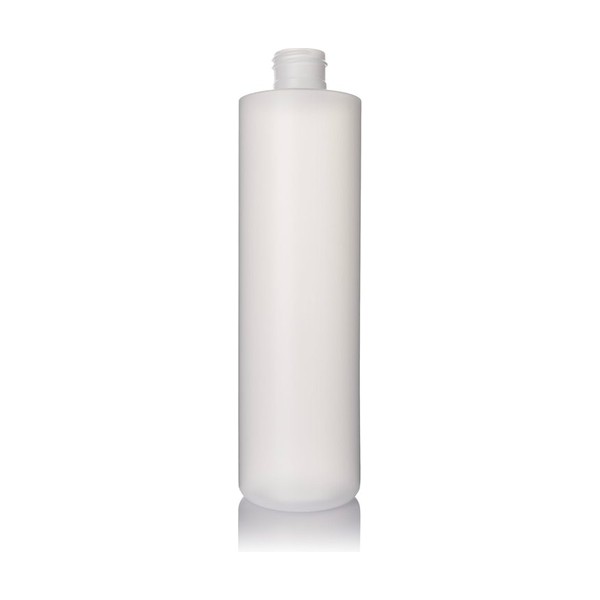 10 oz Natural HDPE Cylinder Round$0.88 eachcase of 378
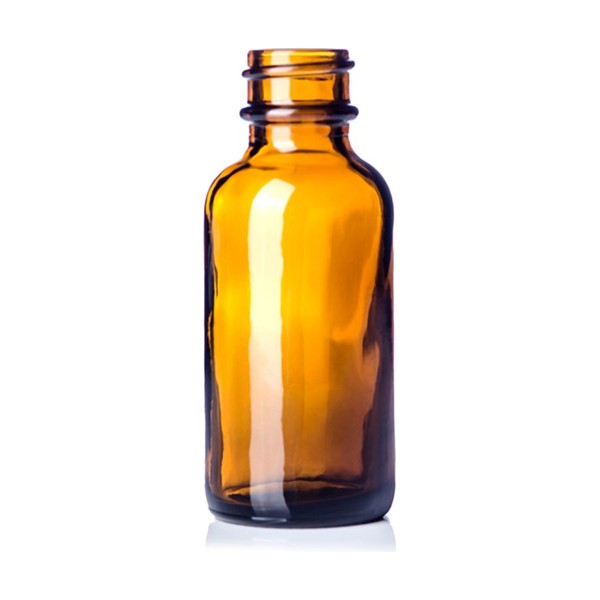 1 oz Amber Glass Boston Round$0.30 eachcase of 360
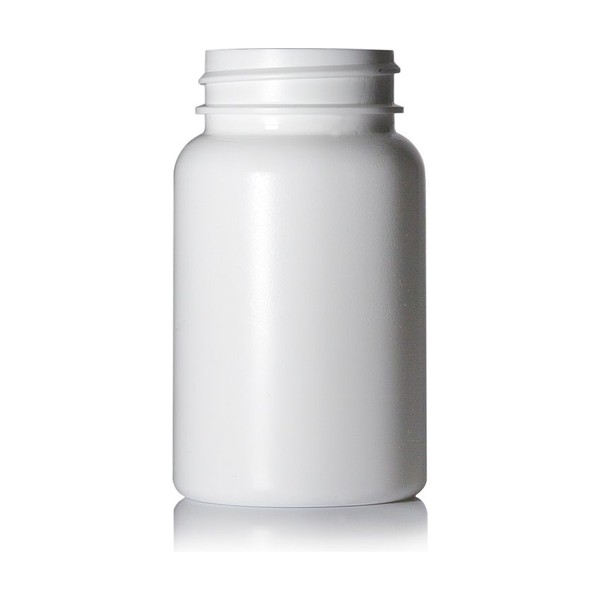 100 cc White HDPE Packer Bottle$0.26 eachcase of 640
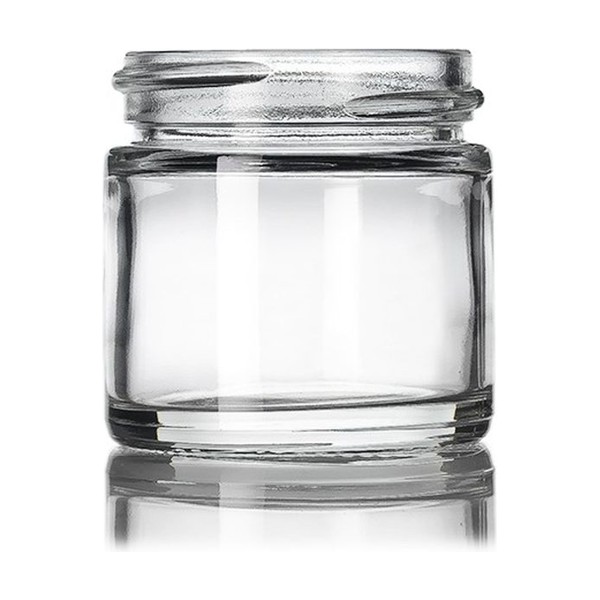 1 oz Clear Glass Straight Sided Jar$0.34 eachcase of 160
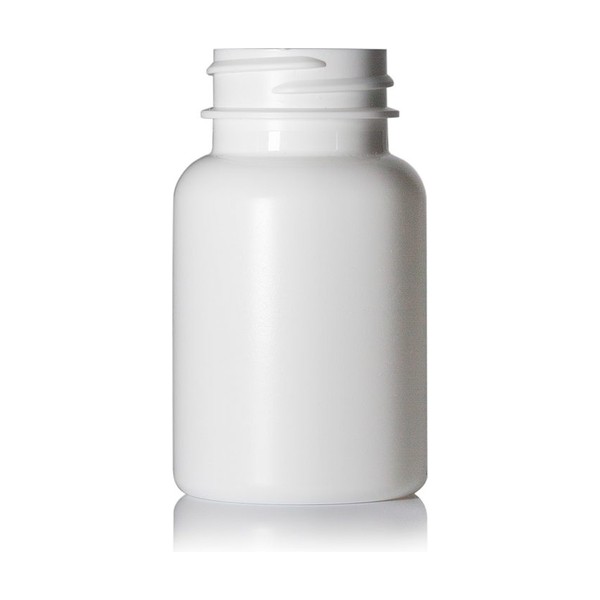 75 cc White HDPE Packer Bottle$0.25 eachcase of 850
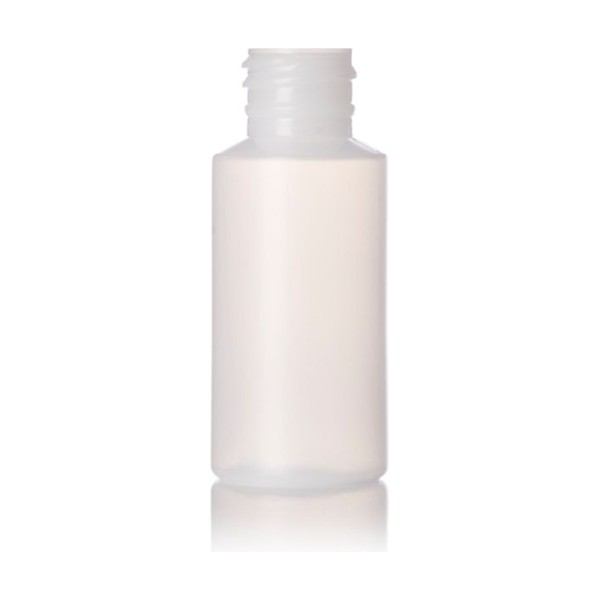 1 oz Natural HDPE Cylinder Round$0.22 eachcase of 1,300
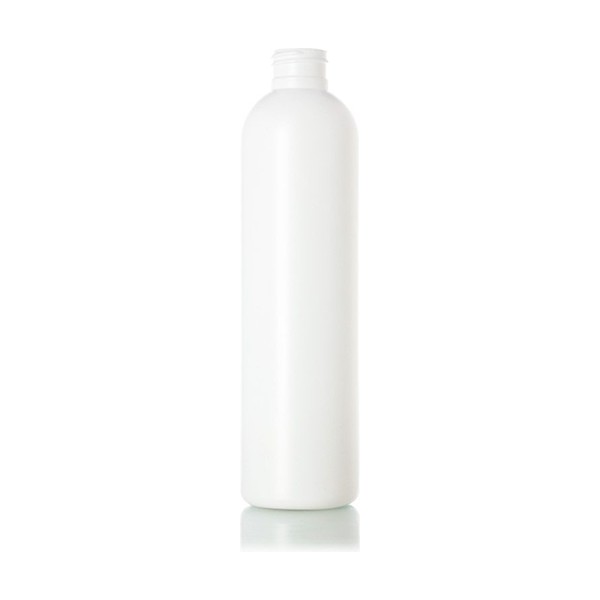 8 oz White HDPE Imperial Bullet Cosmo$0.42 eachcase of 396
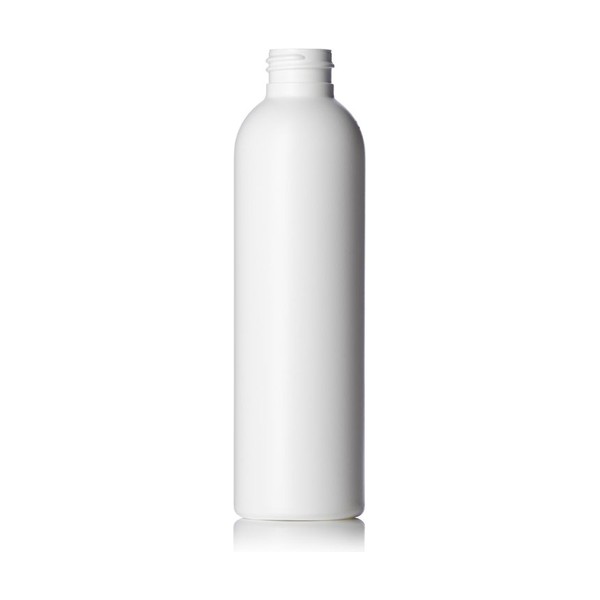 6 oz White HDPE Imperial Bullet Cosmo$0.59 eachcase of 546
Guides
Getting started
The container
Why the material changes the resultLeaching, adsorption and permeation. Three ways a container edits the sample it is holding.Material by analyte, in practiceGlass, polyethylene and fluoropolymer each win somewhere. The method decides, and here is the reasoning behind it.What we actually stock for this237 containers, 153 HDPE and 84 glass, 15 to 946 ml. The largest shelf any property here draws on, and it is not certified-clean.
Handling
Reading Table IIFour columns: parameter, container, preservation, maximum holding time. Everything you need to buy correctly is in them.Preservation, and what it does to the containerAcid, base, thiosulfate and cold. Each one is a requirement the container and liner have to tolerate.Labeling and chain of custodyA sample that cannot be identified is not a sample. The label has to survive what the sample goes through.
What goes wrong
The number is wrong and nothing looks wrongLeaching, adsorption or permeation. The sample looks normal and the result is not.The holding time expiredEight hours, 36 hours, 14 days. Past it the result is not reportable however good the analysis.The sample cannot be identifiedA label that came off, smudged or was never written. Unrecoverable, and more common than anything else on this list.Cross-contamination between samplesReused containers, shared caps, a preservative decanted badly, or storage next to solvents.