Containers for syrups
For businesses packaging syrups, with capacity, neck finish, case pack and case price published on every container.
Top picks for syrups
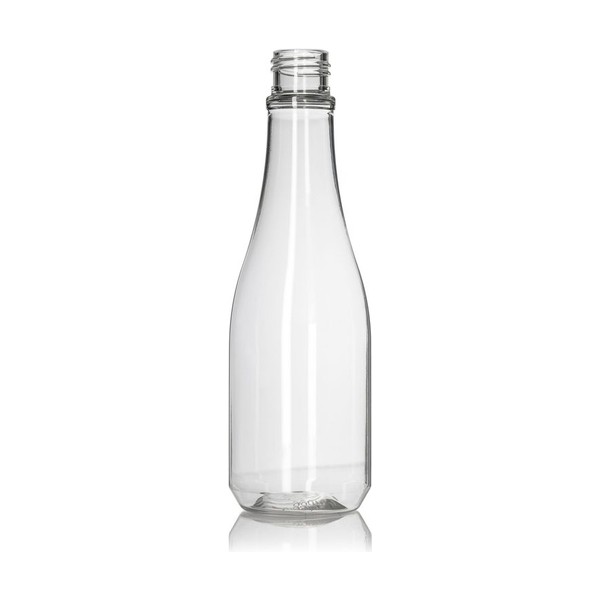 8 oz Clear PET Sauce Bottle$0.46 eachcase of 363
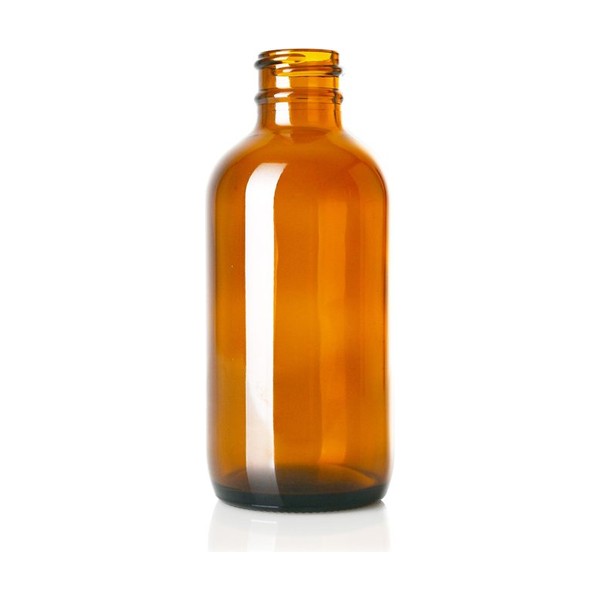 4 oz Amber Glass Boston Round$0.44 eachcase of 128
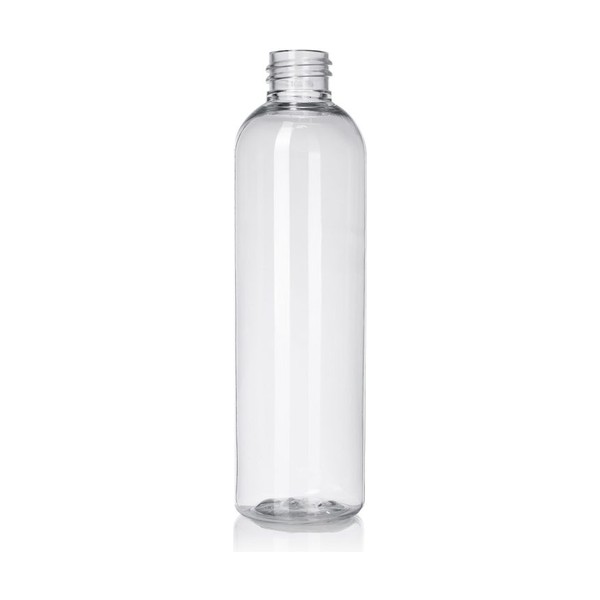 4 oz Clear PET Imperial Bullet Cosmo$0.35 eachcase of 675
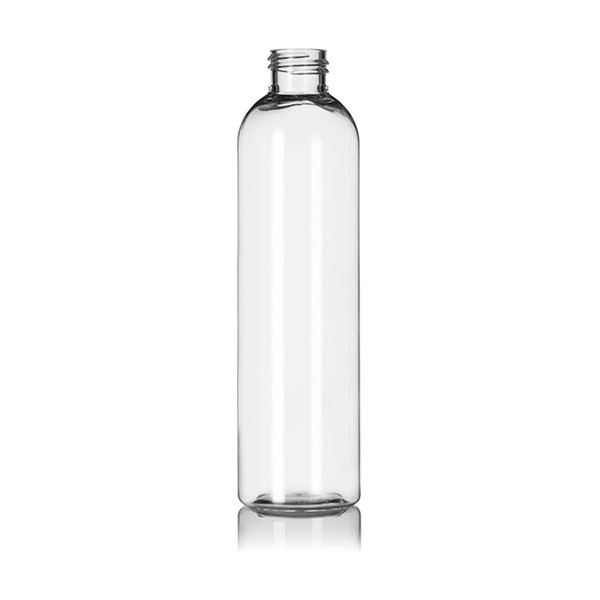 8 oz Clear PET Imperial Bullet Cosmo$0.44 eachcase of 468
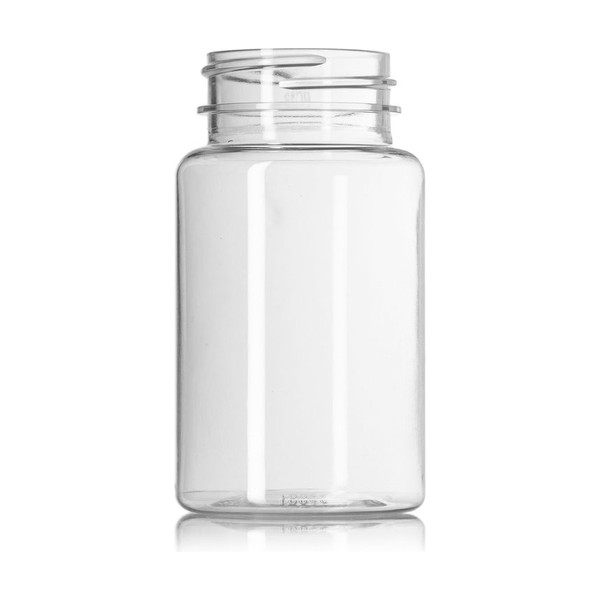 100 cc Clear PET Packer Bottle$0.39 eachcase of 580
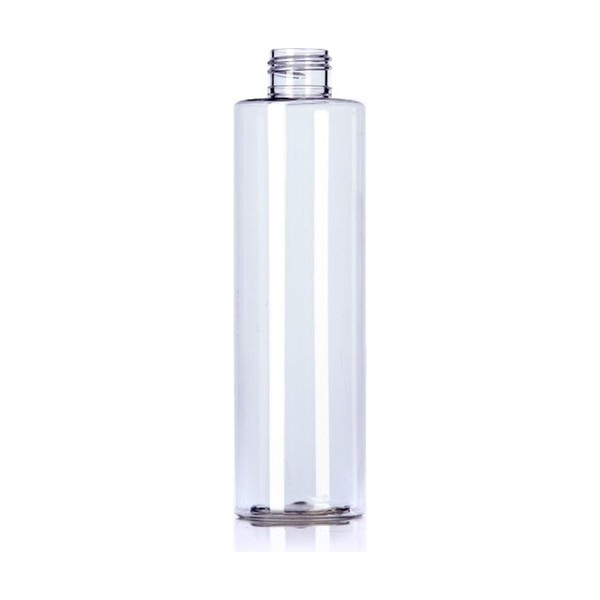 8 oz Clear PET Cylinder Round$0.62 eachcase of 236
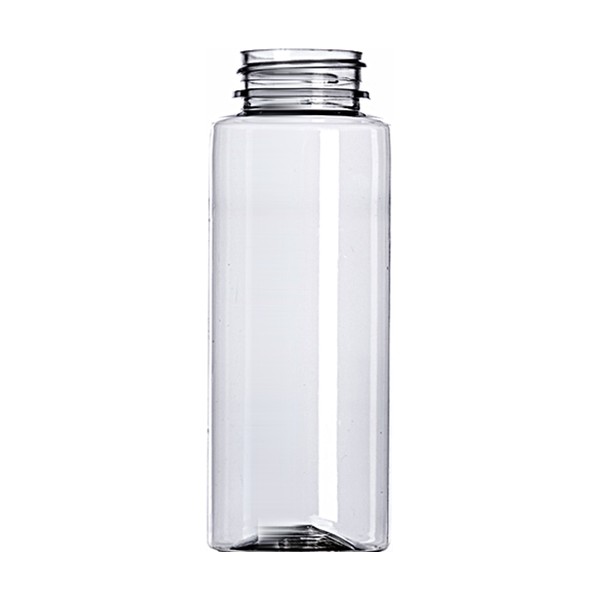 8 oz Clear PET Honey Container$0.64 eachcase of 484
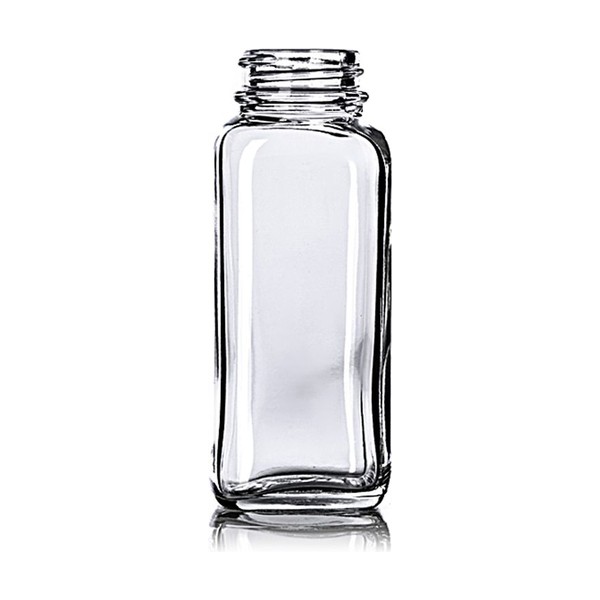 4 oz Clear Glass French Square$1.25 eachcase of 120
Guides
Getting started
Is this for you at allTwo different businesses share the word syrup. One is an evaporation operation with a legal density, the other is dissolving sugar in water.What it costs to startThe instrument is cheap and the evaporator is not. For a formulated syrup the whole cost is the kitchen and the labels.Turning a batch into a productA product is a repeatable density, a fixed bottle and a label that matches both. Everything before that is cooking.What your state allowsSome states let a syrup be a cottage food and some do not, and the maple states add a layer of their own.
The number
What Brix is, and why sugar preservesBrix is the percentage of soluble solids by weight. High enough, it ties up the water that spoilage needs.The federal floors, and why they differ by syrupMaple 66 percent, cane and sorghum 74, table syrup 65. These are standards of identity, not safety limits.The window, and why it is bounded on both sidesToo thin molds, too thick crystallizes. For graded maple the window is 66.0 to 68.9 Brix, which is narrower than it sounds.Measuring it, and the temperature trapA hydrometer reads differently hot and cold. The instrument, the temperature and the calibration have to match or the number is wrong.Density in a formulated syrup, where you choose the numberDissolving sugar into water makes the concentration arithmetic, which is easier and removes the external check.
Making a batch
Evaporating, and why the last part is the hard partMost of the water comes off easily. The final approach to density is fast, irreversible in one direction, and where batches are lost.Filtering, and the sediment that is not dirtConcentrated syrups throw a mineral sediment. Filtering is a quality step, not a cleanliness one, and it happens hot.Packing hot, and what it rules outA concentrated syrup goes into the container hot, which decides the material before anything else does.A production day, start to finishSequence the day so the instrument, the filter and the bottles are ready before the batch needs them.
What goes wrong
Mold on the surfaceAlmost always under-density, sometimes a cold pack or a contaminated container. It appears weeks later, on somebody else’s shelf.Crystals in the bottleSugar coming back out of solution. Over-density is the usual cause, cold storage and a disturbed surface are the accomplices.Cloudiness and sedimentMineral solids that came out of the sap. A graded syrup has to be free of both, so it is a grade problem as well as a cosmetic one.It fermentedBubbles, pressure, a winy smell. The sugar was dilute enough for yeast, which is under-density by another name.ScorchingA burned note from the pan, usually at the finish when the batch is thickest and most valuable.It darkenedTime at temperature, and slow change on the shelf. For graded maple it can move the product into another color class.The batch is inconsistentBottles from one run that differ in density, color or flavor. Usually the run was long and the conditions moved during it.
Bottles and closures
Glass or plastic, and why the fill decides itA hot pack needs glass. A cold-filled formulated syrup can use PET, and on our shelf that is the difference between 37 bottles and 323.Bottle sizes, and what each one is forThe retail sizes, the gift size and the bulk format are three different businesses. Our shelf covers the first two.Closures and the pourNeck finish decides what fits. A syrup is poured rather than dosed, which changes the answer from a thin sauce.
Selling it
Standards of identity, and what a name commits you toCall it maple syrup and you have agreed to 66 percent soluble solids from maple sap and nothing else.Grades, and the four color classesThe USDA grade standards are voluntary federally and adopted by some states. Grade A is a density window plus a color class.What the label has to carryIdentity, net quantity, ingredients, allergens and the responsible party, plus the grade statement where one is claimed.Naming it, and the words that are already spoken forMaple, cane and sorghum are defined terms. Pancake syrup is a category with its own rules. Everything else you describe.Who inspects youYour state department of agriculture, applying federal definitions and in the maple states a set of its own.What to chargePrice from the real cost per bottle: the raw material ratio, the fuel to evaporate it, the yield loss and the freight on a dense product.
Growing the operation
What breaks firstThe evaporator, then the finish, then the fill. All three are about getting water out and bottles filled before the syrup moves.Consistency at volume, and what wholesale asks forA stall customer forgives variation and a retail shelf does not. The density reading is how you demonstrate it rather than assert it.A second syrup, or more of the firstUnlike an acidified food there is no filing to repeat, so a second product is cheap. That changes the calculation entirely.
Tools and directories
The density check, step by stepCheck the instrument, read a settled sample at a known temperature on the matching mark, record it against the batch.The batch log, and the fields that matterDensity with its temperature, fill temperature at both ends of the run, and weight in against weight out. Those three answer most of it.
Beyond the bottle
Sugar, cream and confectionsTaking the syrup further concentrates it past the liquid window into products where crystallization is the goal rather than the defect.Infused and bar syrupsA formulated syrup made for a bar or a coffee counter. No identity standard, a wholesale buyer, and a shelf life you have to defend.