Containers for jams and preserves
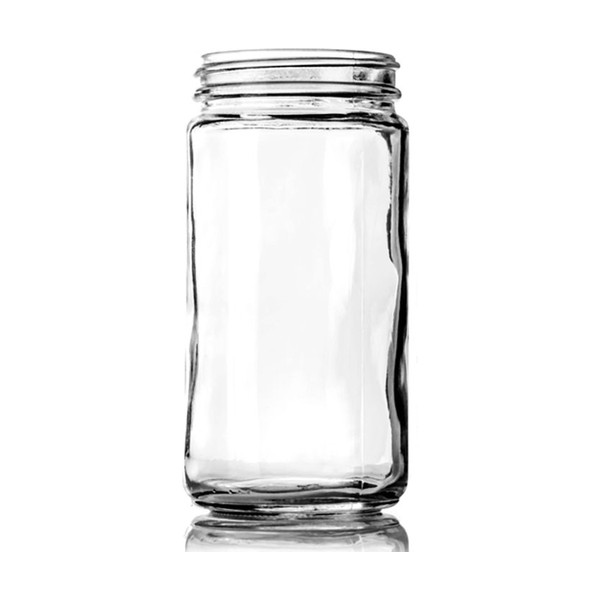
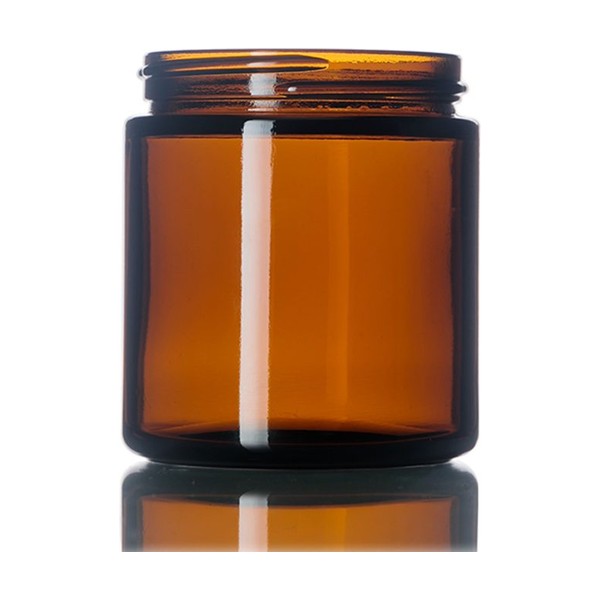
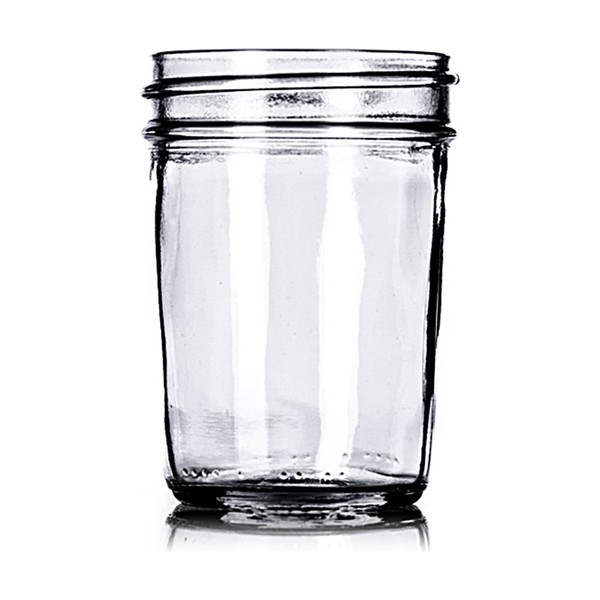
For businesses packaging jams and preserves, with capacity, neck finish, case pack and case price published on every container.
Guides
Getting started
Is a jam business for youA seasonal input, a federal standard on the product, and a state decision on whether you may sell it from your kitchen.What it costs to startThe equipment is cheap. The fruit and the glass are not, and both are bought in quantities that do not match a batch.What the time actually costsA batch is a whole evening, and the season decides when the evenings happen. That is the real constraint.The first season, month by monthFruit decides the calendar. The work happens when the fruit is ready and the selling happens for the rest of the year.What to buy before the first batchA short list, and two items on it are the ones people skip and then buy later anyway.Sourcing fruitSecond-grade fruit is the arbitrage this craft runs on, and the ripeness you want depends on which product you are making.Your kitchen, or a licensed oneWhich it has to be is a state decision, and the answer changes the business rather than the recipe.What your state allowsFederal law says what a jam is. Your state says whether you may make and sell it, and the two answers are independent.Turning a recipe into a productA family recipe is a set of proportions. A product is a ratio by weight that meets a standard, repeatably.Working with boiling sugarBoiling jam is hotter than boiling water and it sticks to skin. That is the whole safety case.Naming it, and the words the standard ownsJam, jelly and preserve are federally defined. Your brand name is yours; those three words are not.
The set
The four things that have to be in balanceFruit, pectin, acid and sugar. Change one and you have changed at least one other, which is why a recipe is not a list of ingredients.The ratio the standard sets21 CFR 150.160 sets 45 parts fruit to 55 parts sweetener, rising to 47 parts for certain fruits. The figure decides the recipe before you do.65 percent soluble solidsThe same figure appears in the jelly standard and the jam standard. It is a condition of the product, not a target for the taste.Sugar is not there for sweetnessThe sugar in a jam is doing two structural jobs. That is why cutting it changes the product rather than the flavor.Too little acid and it never sets, too much and it weepsAcid has a window in a jam, and the failure is different on each side of it. Extension guidance names both.Jelly wants underripe fruit, jam wants ripeThe USDA guide specifies three-quarters ripe and one-quarter underripe for jelly, and fully ripe for jam. Same fruit, opposite instruction.Whether to add pectinAdded pectin changes the recipe, the test for doneness and the time in the canner. The USDA guide carries separate instructions for each route.Why commercial juice will not setThe USDA guide rules out commercially canned and frozen fruit juices for jelly, and gives the reason: their pectin content is too low.The pectin is in the parts you were going to throw awayPeels and cores add pectin to the juice during cooking, which makes the trimmings an ingredient rather than waste.What else the standard lets you put in21 CFR 150.160 names the permitted optional ingredients. A list of what is allowed is also a list of what is not.
Making a batch
Washing, crushing and cuttingWash before cooking and do not soak. Crush soft fruit, cut firm fruit small, and put seedy berries through a sieve.Extracting juice for jellyBoil then simmer until soft, stirring to prevent scorching. One pound of fruit should yield at least a cup of clear juice.Cooking it to the point it will setThe cook is to a measurement, not to a clock, and the measurement changes with your altitude.Skimming the foamThe instruction is to remove from heat and skim quickly. The word quickly is doing work, and there is an industrial alternative.Filling hot, and why a funnelFill sterile jars with a measuring cup or by ladling through a wide-mouthed funnel. The funnel is about the rim, not about spillage.A quarter inch, measuredGuide 7 specifies a quarter inch of headspace for both jelly and jam. It is a measurement, not an estimate.Wiping the rim and adjusting the lidsWipe with a dampened clean paper towel, adjust the lids, and process. Three instructions in one sentence of the guide.Time in the canner, by altitudeFive minutes at sea level, ten up to 6,000 feet, fifteen above it. The published table for jelly without added pectin.Sterile jars, and the trade you make either waySterile jars allow the shorter process. Unsterile jars need ten minutes, and the extra heat can weaken the gel.Cooling, and not moving itMoving the product too soon and insufficient time before using are both published causes of a soft set. Cooling is part of the process.
Testing the set
Why the set is the measurement the batch turns onThe standard specifies a concentration. The set test is where the recipe meets that number.The temperature test, and your altitude changes it220F at sea level, down to 205F at 8,000 feet. The published table, which is the one figure most recipes get wrong.The sheet testA cool metal spoon, twelve inches above the pan and out of the steam. Done when the syrup forms two drops that flow together.The refrigerator testA small amount of boiling jam on a cold plate, a few minutes in the freezer compartment. If it gels, it is ready to fill.Reading soluble solids with a refractometerThe regulation names an analytical method for soluble solids. A bench refractometer is what approximates it.Which test to trust, and when they disagreeThe guide gives three tests for one question and does not rank them. This page says what to do about that rather than inventing a hierarchy.Measuring pH, and when you are required toAcidified foods are a federal regime with a filed process. Whether a fruit preserve is inside it is a question about the product.Writing down what the batch readNo published body covers how a small producer records a set temperature, a Brix reading and a yield against a lot number. This page says so.
What goes wrong
It never setExtension guidance gives eight causes for a soft set, and most of them happened before the pot went on the heat.It set too hardThree published causes, and one of them is too little sugar rather than too much pectin.It is weeping liquid in the jarTwo causes: excess acid making the pectin unstable, or storage that was too warm or fluctuated.There are crystals in itFour published causes, including one that is specific to grape.The jelly is cloudyThree causes, and the first one is picking green fruit rather than anything that happened in the kitchen.Mold on top, or it is fermentingListed for both jellies and preserves, with three causes. This is the one that is a safety question rather than a quality one.There are bubbles in the jarAir trapped at the fill, or spoilage. Extension guidance gives the test that tells them apart, and it is the only do-not-use on the list.It came out darker than it should beTwo causes for jelly and three more for preserves, and they divide into what the cook did and what the storage did.The fruit shriveledOne cause, and it is the syrup rather than the fruit: the syrup is too heavy.The fruit went toughThree causes, two of which are about the syrup the fruit started in.It is sticky and gummyOne cause, and it is overcooking. The shortest entry on the published list.It does not taste like the fruitTwo causes: overcooked or scorched, or poor quality fruit. One of them you can fix on the day and one you cannot.
Jars and lids
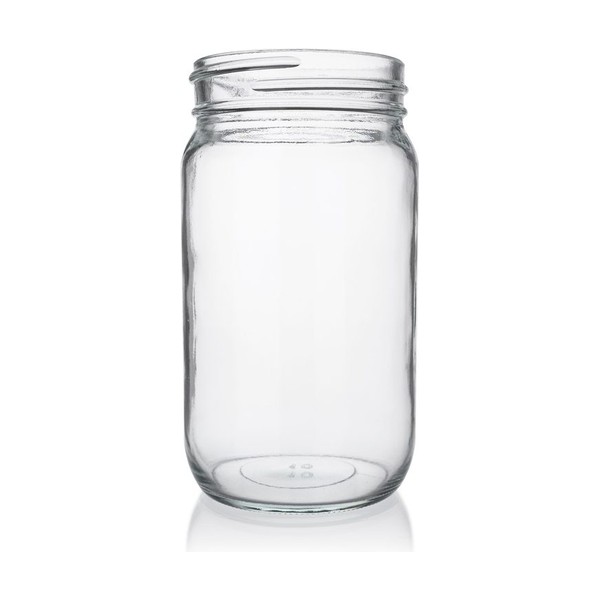
What size jar for a pound of jamThe label declares weight and the jar is sized in fluid ounces. Weigh your own product into a candidate jar once and the question is settled.Why glass, and when plastic is not an optionJam is filled hot and processed in boiling water. That rules out most plastics before any other argument starts.Two-piece lids, and why the flat is single useThe band holds the lid on and the vacuum makes the seal. That is why the flat lid does not get reused and the band does.How full to fill itA quarter inch for jam and jelly, and the two failures on either side of it.Filling without a machineA ladle, a wide-mouthed funnel and a scale. The rhythm matters more than the equipment.Keeping it clean while you goA sticky jar is a sticky label and a seal you cannot trust. The technique is a damp cloth, changed often.Labels that stay on a sticky jarThe surface is glass, it has been wet, and the product is sugar. Three reasons a label lifts.Tamper evidenceA sealed canning lid is already evidence. What a shrink band adds is mostly about the retail shelf.Shipping it by the caseGlass, filled with a dense product, moving. Weight and movement are the two things to design against.How it looks on a shelfThis is a product bought by looking at it, which makes two of the published failures commercial rather than cosmetic.Single serve, and the formats buyers ask forHospitality and gift channels want formats a market stall does not. Most of them take the product outside a processed jar.Selling the fruit insteadThe rawest format is the fruit itself, and it is a different business with none of the regulation.
Selling it
Jam, jelly or preserve, and what to call it if it is none of themThe three names are defined federally. A product that misses the definition has to be named for what it is instead.What the label must carryStatement of identity, net quantity, ingredients, and who is responsible. The standard name does the first job for you.Cottage food and jamJams and jellies are among the products cottage food laws most often allow, and the reason is chemical. The exclusions are the part to read.US grades, and whether to use oneUSDA publishes grade standards for jams and for jelly, scored out of a hundred. Grade A jelly needs 90 points and Grade A jam needs 85.What to chargeA standardized product has a cost floor set by regulation: 45 parts fruit means the fruit is at least 45 percent of the input by weight.Selling at marketThe channel most cottage food laws are written for, and the one where the exemption disclosure usually has to appear.Selling wholesaleWholesale usually ends the cottage food exemption, and it asks for the things a market stall never does.Selling online and shipping glassShipping a heavy product in glass, and the exemption question that crossing a state line raises.Who inspects you, and whenFederal regulation sets what the product must be. A state department of agriculture is who turns up.InsuranceA food product sold to the public is a liability question, and the hobby framing stops matching the moment money changes hands.When stock goes offTwo of the published failures are storage failures rather than recipe ones, which makes them a distribution problem.Fermented fruit products, and why they are a different businessA fermented fruit product is not a jam with a different process. It is usually outside the exemption that lets you sell jam.
Growing the operation
What you have to write downA lot code, a traceable batch, and a shelf-life statement. The first buyer who asks will ask for all three.Making unit four hundred match unit oneFruit varies by picking, so the recipe cannot be the only control. The reading is.Making more of itYou scale by running more batches, not bigger ones, and the thing that limits you is the canner rather than the pan.Equipment at the next sizeStandardize on one jar and one neck finish before buying anything else. Mixed sizes are a permanent tax.Having someone else make itA copacker solves the bottling day and brings a minimum order that is usually larger than a season of your fruit.The first person you hireHire for the prep and the filling, which are the two parts that do not scale with skill.What to agree before a copack runFour things to settle in writing: the specification, who owns the overrun, who owns a failed batch, and what the lot code says.
Tools and directories
The vocabularyThe words that carry a legal meaning in this craft, separated from the ones that are just description.The one measurement that decides the batchIf you only take one number, take the one the standard is written in.How much a batch makesYield is the number that connects fruit bought by the flat to jars bought by the case. Work it the way the inputs are actually purchased.Working out what to chargeTwo cost lines get left out, and on this product both of them are large.Everything that has to be on the labelWork down this before a print run, because a label is the most expensive place to find a ratio problem.The batch logOne line per batch, and it is the only diagnostic you will have when something comes back.When it pays for itselfThe equipment pays back fast. The fruit and the glass decide whether the season does.Finding your state's answerWhat to ask, who to ask, and why no page can answer it for you.
Beyond the jar
Fruit butterIts own standard of identity, made from pulp rather than juice or pieces, and the obvious use for fruit that will not make jam.Marmalade and conserveTwo more names with their own expectations. One of them is a citrus product with a grade standard of its own.Pectin stock from trimmingsApple cores and citrus peel are high enough in pectin to be worth keeping, which turns trimmings into an input.What to do with a batch that did not setA soft set is a product. Sold as a sauce or a topping it carries a different name and no standard to miss.Making it for someone else's brandA farm shop or a restaurant wants your jam with their name on it. The responsibility on the label does not move.Fruit leather and dried fruitThe other way to use a glut, with no jar, no process and a different place in the exemption.