Containers for confection
For businesses packaging confection, with capacity, neck finish, case pack and case price published on every container.
Guides
Getting started
Is this for you at allOne of the few crafts here that cottage food law usually covers, and one of the hardest to do consistently.What it costs to startA thermometer you trust, heavy pans, marble or steel, and for chocolate a way to hold temperature accurately.Turning a batch into a productA product is a temperature you hit, a humidity you work in, a weight you fill to and a shelf life you tested.What your state allowsConfectionery is one of the products cottage food law most often covers. Chocolate with fillings is where that can change.
Sugar work
Crystals are the productSmooth and grainy are the same compound in different crystal sizes. Everything in sugar work is controlling that.Sugar stages, and why temperature is concentrationThe stage names are a proxy for how much water is left. The thermometer is measuring concentration.Water activity, and why candy keepsSugar ties up the water. That is why most confectionery sits outside the acidified foods rules entirely.Gummies, which are not a crystal product at allA hydrocolloid gel set with gelatin or pectin. Different chemistry, different failures, different shelf life.
Chocolate
The percentages in the nameSweet, semisweet, milk and white chocolate each carry federal minimums. The name is a composition claim.Tempering, and the crystal forms of cocoa butterCocoa butter sets in several crystal forms. Only one gives snap, gloss and a stable product.Buying couverture, and what to ask forYou are buying somebody else’s chocolate and repeating their claims. Get the specification against the lot.Fillings, and where the shelf life goesThe chocolate keeps for months. A fresh cream center does not, and the shell does not protect it.
What goes wrong
It went grainyCrystals grew too large. Agitation while hot, a seed crystal, or no interfering agent in the formula.It bloomedA gray or white film on chocolate. Fat bloom from poor temper or temperature swings, sugar bloom from moisture.It went sticky or softAbsorbed moisture. Hard candy and brittle are hygroscopic and a humid room undoes them.It is the wrong textureToo hard, too soft, too chewy. Almost always the cook temperature or a thermometer that is lying.It scorchedSugar against a hot surface burns, and the batch is finished. A heavy pan and attention are the only defense.
Jars and wrapping
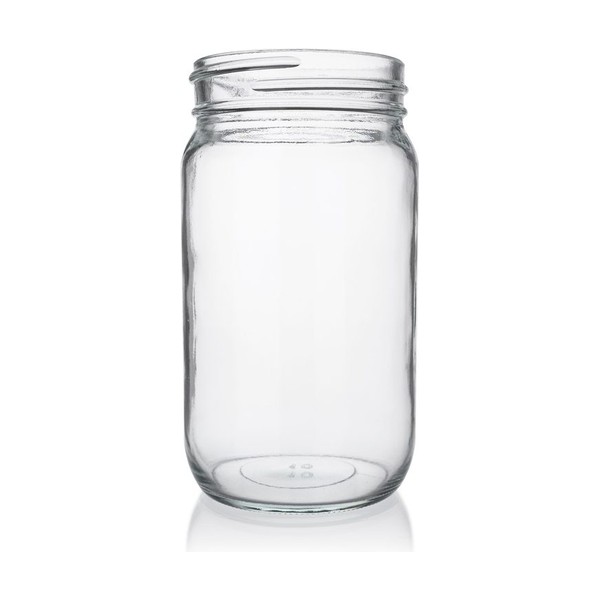
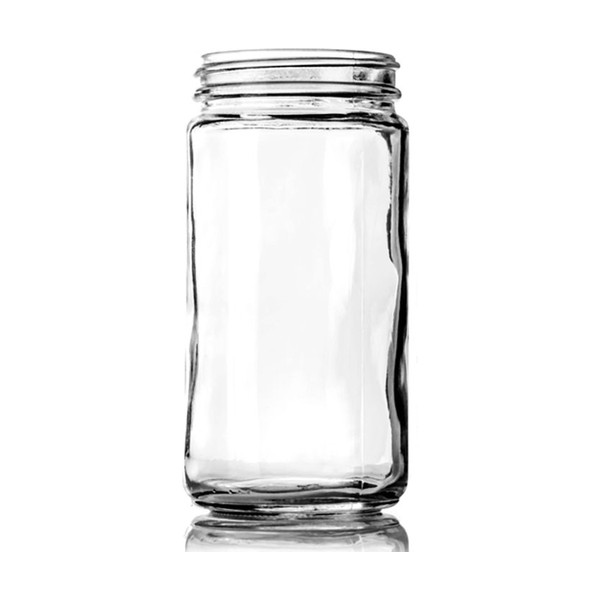
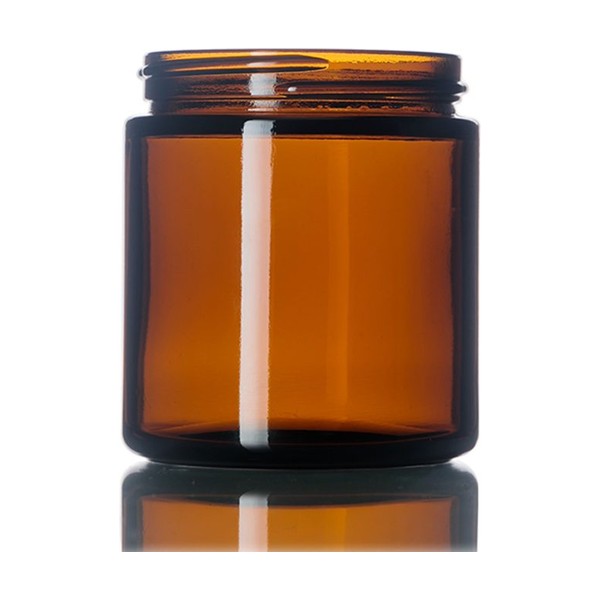
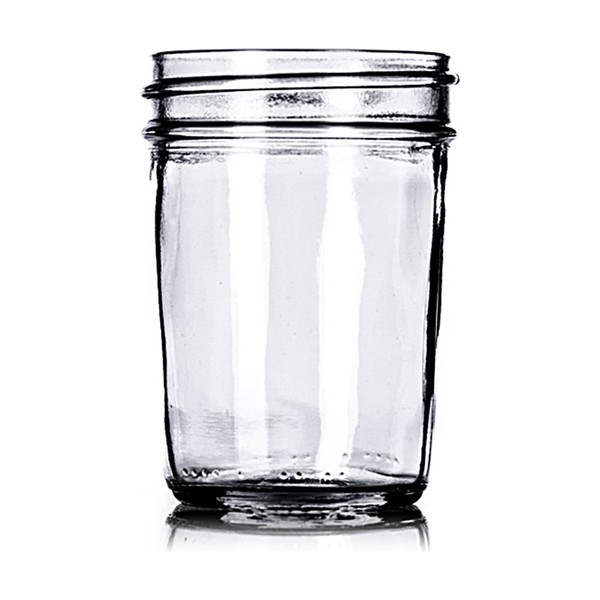
Jars, boxes and what we actually stock36 wide-mouth glass jars from 89 to 946 ml. The molded bar and the boxed assortment are a different problem.Closures, and keeping the air outMoisture is the enemy, so the seal is the specification. Neck finish decides what fits.Sizes, and the gift that is mostly package89 to 946 ml here. The small sizes carry the margin and most of the packaging cost.
Selling it
Naming it, and the four names that carry numbersThe chocolate standards are specific. Caramel, fudge, toffee and brittle are descriptive and still have to be honest.Labels and allergensFive required elements, and a category where milk, soy, nuts and wheat all turn up without being obvious.Dating it honestlyMost of this keeps for months. A filled chocolate or a dairy caramel does not, and the package cannot tell them apart.Who inspects youYour state department of agriculture, and often with a lighter touch than other food crafts.What to chargeTime dominates sugar work and chocolate dominates chocolate. Packaging is a bigger share here than anywhere else.
Growing the operation
Tools and directories
The batch log, and the fields that matterCook temperature, ambient humidity and what you did while it cooled. Those three explain nearly every failure here.The temper test, before you commit a batchA smear on a knife that sets glossy and firm within minutes. Two minutes against the cost of a molded batch.