Containers for coffee and tea
For businesses packaging coffee and tea, with capacity, neck finish, case pack and case price published on every container.
Top picks for coffee and tea
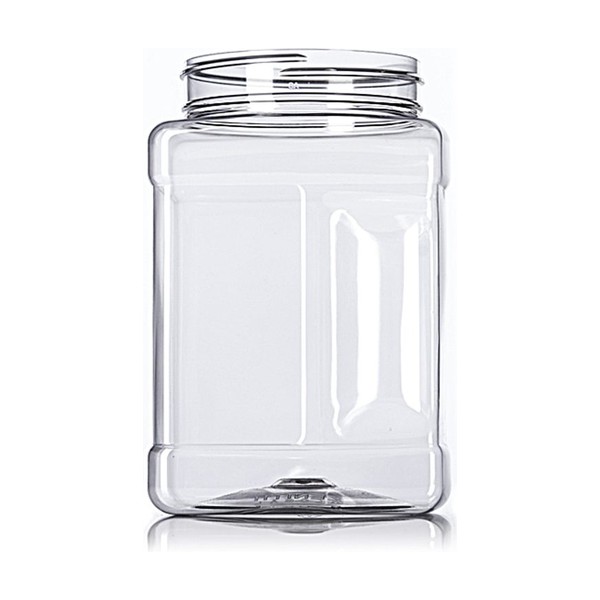 48 oz Clear PET Square Grip Container$1.57 eachcase of 98
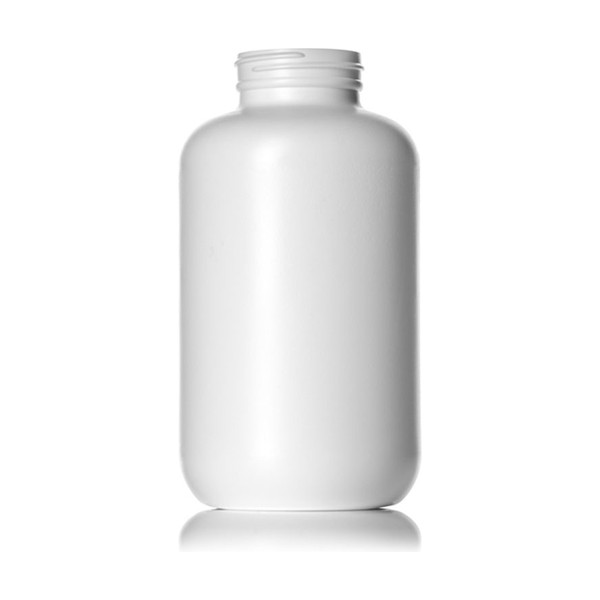 950 cc White HDPE Packer Bottle$1.37 eachcase of 96
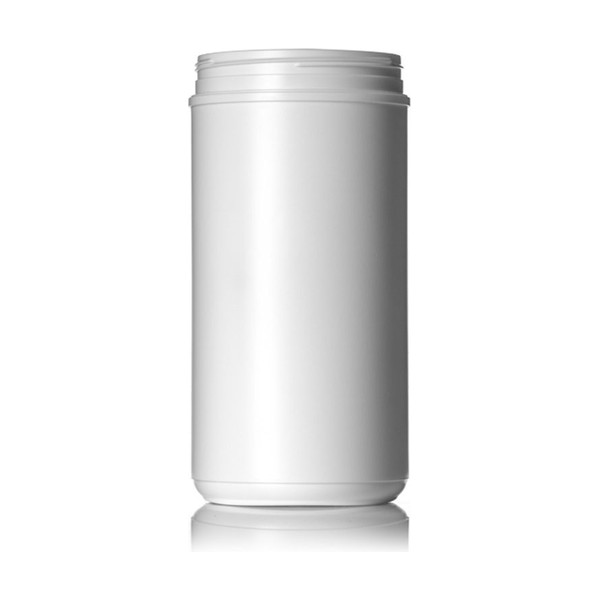 100 oz White HDPE Single Wall Canister$2.51 eachcase of 81
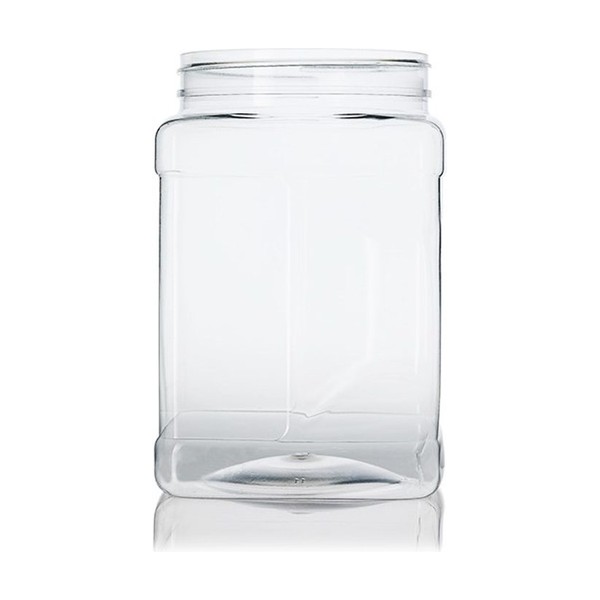 64 oz Clear PET Square Grip Container$1.60 eachcase of 58
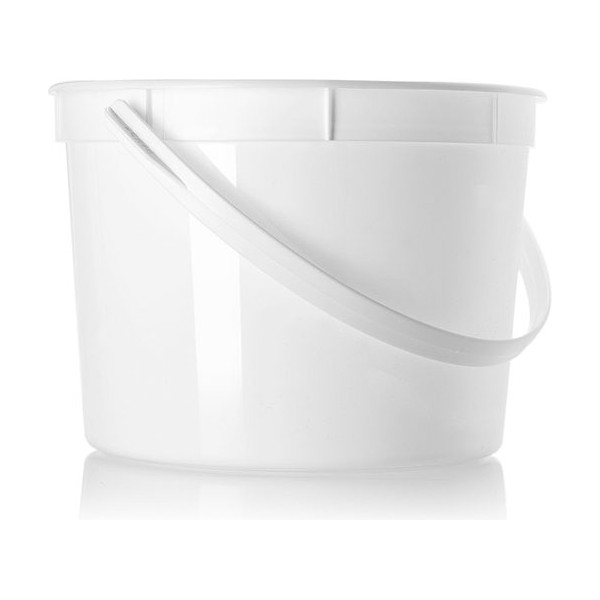 64 oz White HDPE Round Tub With Handle$1.56 eachcase of 200
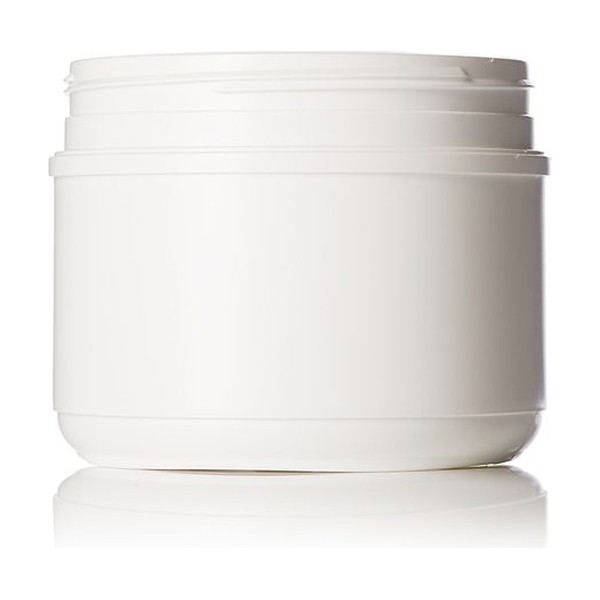 36 oz White HDPE Wide Mouth Container$1.78 eachcase of 95
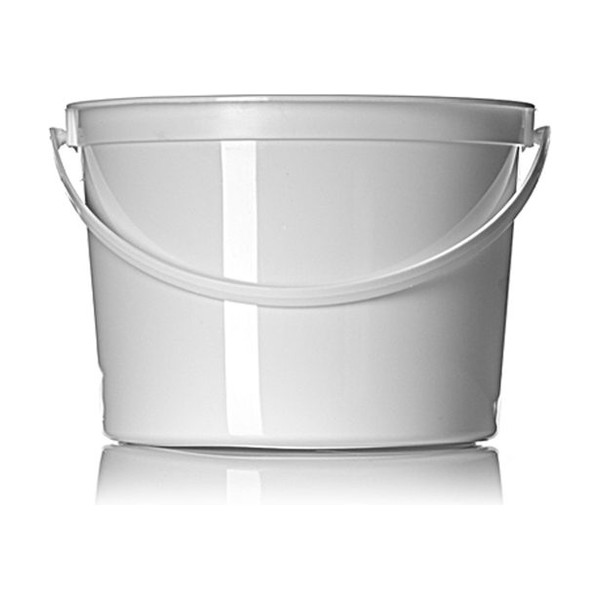 160 oz White HDPE Round Tub With Handle$3.58 eachcase of 120
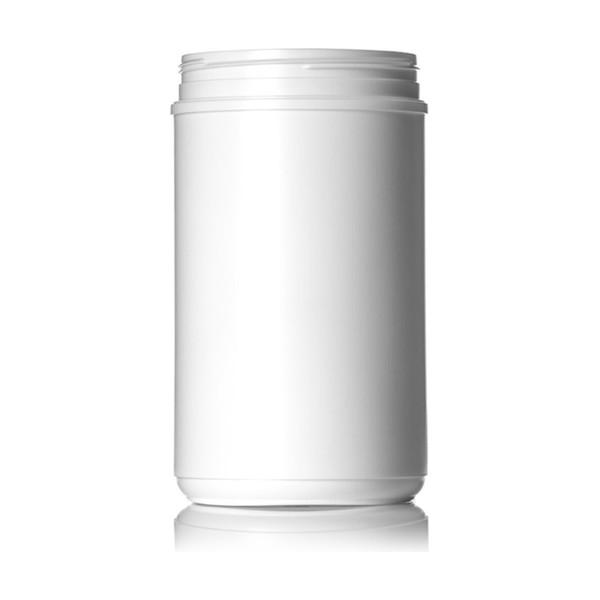 85 oz White HDPE Single Wall Canister$2.47 eachcase of 81
Guides
Getting started
Is this for you at allAlmost no regulation, enormous competition, and a product that is at its best for about two weeks.What it costs to startA roaster, green coffee and somewhere to put the smoke. Tea needs almost nothing and a great deal of working capital.Turning a roast into a productA product is a repeatable profile, a roast date you print, a package that handles gas and a claim you can support.What your state allowsRoasting is usually a food business with an emissions question attached. Tea blending is often simpler than makers expect.
Roasting
What roasting actually doesIt drives off water, builds flavor through browning reactions, and makes the bean brittle and porous.Degassing, and the contradiction at the heart of this craftRoasted coffee releases carbon dioxide for days. Seal it rigid and it pressurizes; leave it open and oxygen gets in.Roast consistency, and what moves itBatch size, ambient temperature, the green lot and the operator. A profile is the only defense.Blends and single originsOne is a product you can keep making and the other is a product that runs out. Both are honest and they are different businesses.
Tea and tisanes
What tea is, and what it is notTea is one plant. Everything else brewed in hot water is a tisane, and the distinction matters on a label.Tisanes, and the claim problemHerbal infusions are not tea. They are also where a beverage business can accidentally become something else.Blending tea, and keeping it the sameBlend by weight to a reference, and expect the components to change under you every harvest.Matcha, and why a powder is a different problemGround to a powder, it has enormous surface area and fades fast. The container has to be small, dark and tight.
Staling
What staling actually isOxidation of the oils and loss of the volatile aromatics. Four things drive it and all four are storage.Whole bean or groundGrinding multiplies the surface exposed to air. The same coffee has a very different shelf life in the two forms.Moisture and absorbed smellsBoth products pull water and aroma out of the air around them. That decides how they are stored, not just how they are packed.Nitrogen flush and vacuum, and when they are worth itBoth remove oxygen. One is equipment you buy, the other fights the degassing problem.
What goes wrong
The bag inflated, or the container pressurizedCoffee packed too soon after roasting. The gas had nowhere to go.It tastes flatThe aromatics have gone. Age, air, warmth or moisture, and the batch records say which.It clumped or went stickyAbsorbed moisture, usually from a humid room or a container opened repeatedly in one.It tastes of something elseAbsorbed aroma from storage. Common, irreversible, and almost always a storeroom layout problem.The batch is inconsistentRoast drift, a new green lot, or a blend whose components changed. The log separates them.
Packaging
What we actually stock for this32 bulk containers from 950 ml to about 4.7 liters. Canisters, tubs and pails, not retail valve bags.The valve bag, and why it existsA one-way valve resolves the contradiction between letting gas out and keeping air out. We do not stock it and you will need it.Gaskets and seals on a bulk containerFor a hygroscopic product that absorbs aroma, the lid is most of the container.Sizes, and the headspace that does not shrinkA rigid container keeps its volume as the contents go down. Size it to turnover, not to how much you want to store.Light, and when it actually matters hereLess important for coffee than oxygen. For matcha and green tea it is the quality signal buyers see.
Selling it
What the label has to carryNo standard of identity means the general rules, and a roast date that is worth more than a best-before.Origin and process claims, and what you can substantiateEvery claim about a farm, an altitude or a process is a claim about somebody else that you are repeating.Dating it honestlyPrint the roast date and a best-before you have actually tested. They answer different questions.Decaf, and the one hard number in this propertyMethylene chloride is permitted at not more than 10 ppm in decaffeinated roasted coffee. Other processes avoid it entirely.Who inspects youYour state department of agriculture for the food side, and often somebody else entirely about the smoke.What to chargeGreen cost, roast loss, packaging and the stock that went stale. The third and fourth are the ones left out.