What should go with a homemade candle you give as a gift?
Updated
On this page7
A homemade candle given as a gift should go out with a warning label and short burn instructions, in a jar made to hold a burning candle, after it has cured for at least as long as the wax maker says, and only once you have burned one of the same candle yourself. Your friend will light it in their home without knowing anything about how you made it, so the label and card are how your testing reaches them. This page covers what to put on the candle and card, which jars to use, how long to wait before giving, and why a new scent or jar should be test burned first.
A gift is still a candle someone else will light
When you burn your own candle, you know which jar it is in, how tall the flame gets and when to put it out. The person you give it to knows none of that. They may burn it on a bookshelf, leave it in a room, or burn it down to the last bit of wax. Fire safety writing about candles comes back to the same few hazards. ASTM's candle standards committee names the four leading causes of home candle fires that its standards address: excessive flame height, secondary ignition (something other than the wick catching fire), problems at the end of a candle's life when it is nearly burned down, and candles tipping over [1]. A warning label and a care card speak to those.
This page does not cover the law on selling candles. If you start taking money for them, the label and testing rules for sellers are on which laws apply to candles and what goes on a candle label.
Before it leaves your house: a checklist
- You have burned one of the same candle. Same wax, same jar, same fragrance at the same amount, same wick. Not a similar one. A new scent or a new jar can need a different wick, and the first burn of an untested candle is a test, and you should be the one running it. How to tell if your first candle is any good shows how.
- It has cured. Give the candle at least the cure its wax maker gives. CandleScience says to cure its SimplySoy wax candles at least two days for the best fragrance throw [2]; the manufacturer's instructions for Golden Brands GW 464 say 48 hours before test burning [3]. Other waxes differ, and the curing page compares named figures.
- The jar is made for candles. See the next section.
- The wick is trimmed. Trim to the length your supplier gives. CandleScience trims to 1/4 inch in its beginner tutorial [4].
- It carries a warning label. On the bottom or side of the candle, not only on a box that will be thrown away. CandleScience's tutorial ends by placing a warning label on the bottom of each candle [4].
- A care card goes with it. Short burn instructions, on a tag or card.
- Any packaging is clear of the flame. Ribbon, raffia, dried flowers and paper wraps should come off before lighting, and the card should say so.
What the warning label says
The warning label most candles carry follows ASTM F2058, the industry's voluntary standard for candle fire safety labeling. The U.S. Consumer Product Safety Commission lists F2058 among the voluntary standards it points businesses to [5]. The text of the standard is sold by ASTM, but its themes are published. ASTM describes the F2058 warnings as alerting consumers to keep burning candles within sight, away from flammable items, and out of reach of children and pets [1].
One retailer's vendor protocol shows the wording it expects on candles it buys. Kohl's test protocol 100-Z (February 2025), built on the 2007 edition of F2058 (reapproved 2014), lists a text-only label with the signal word "WARNING" and the statements "Burn within sight," "Keep away from things that can catch fire" and "Keep away from children" [6]. Kohl's wrote it for its own suppliers, but it is a fair model for a label you print yourself.
You can buy preprinted warning labels; CandleScience's tutorial uses 1.25 inch round ones [4]. How the label is laid out, where it goes when a candle is boxed, and why to use it even where no law requires it are on the warning label page.
What the care card says
Burn instructions are the part most homemade gifts leave out. The National Candle Association publishes safety tips for consumers that make a good basis for a card [7]. Its advice, paraphrased:
- trimming the wick to 1/4 inch before each use, to prevent high flames and soot;
- never leaving a burning candle unattended;
- keeping candles at least 12 inches from curtains, bedding, books and other flammable items;
- keeping candles out of reach of children and pets;
- keeping candles out of drafts from open windows, fans and air vents;
- not moving a candle while the wax is liquid;
- stopping when 1/2 inch of wax remains;
- putting the flame out with a snuffer or a gentle breath, never with water, which can make hot wax splatter.
Pick the ones that fit the candle and put them on a small card in plain words. Add anything specific to your candle that your own test taught you, such as "remove the ribbon and dried flowers before lighting" or "let the first burn melt the wax to the edge of the jar." Keep your own advice to what you have actually seen in testing. The fuller customer instructions used by sellers are on care instructions.
Use a jar made for candles
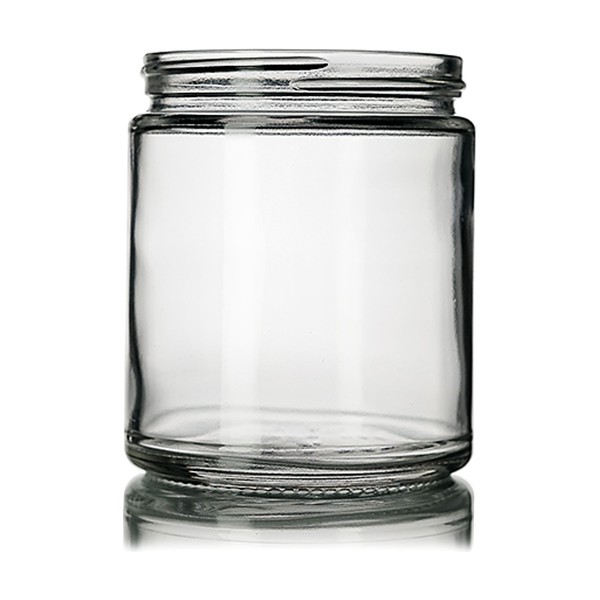
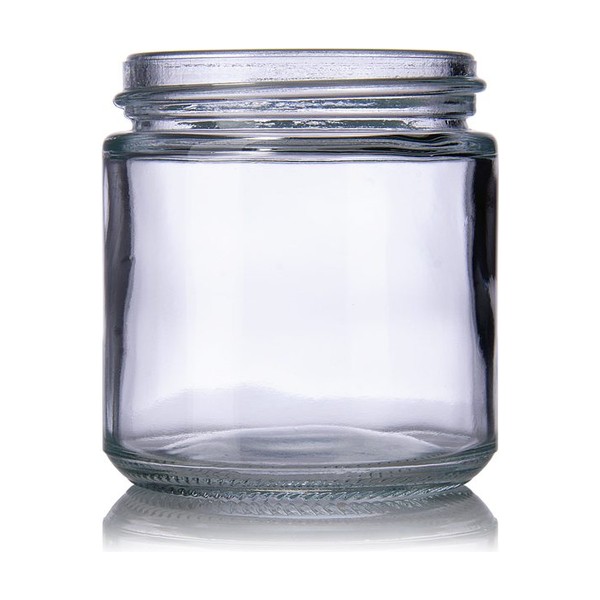
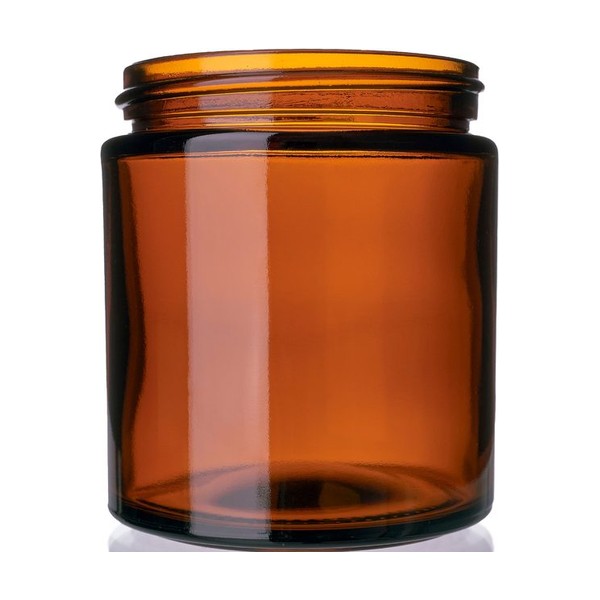
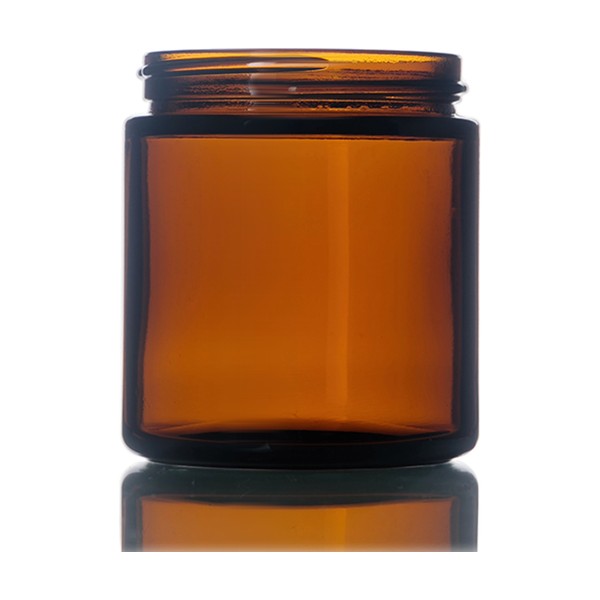
A burning candle heats its container unevenly: the glass near the flame and the pool gets hot while the base stays cooler. Glass made for candles is meant to handle that. The National Candle Association describes ASTM F2179 as the standard for the proper annealing (controlled cooling during manufacture that relieves stress in the glass) of glass candle containers [8]. A decorative glass, a teacup or a reused food jar was not necessarily made with candle heat in mind.
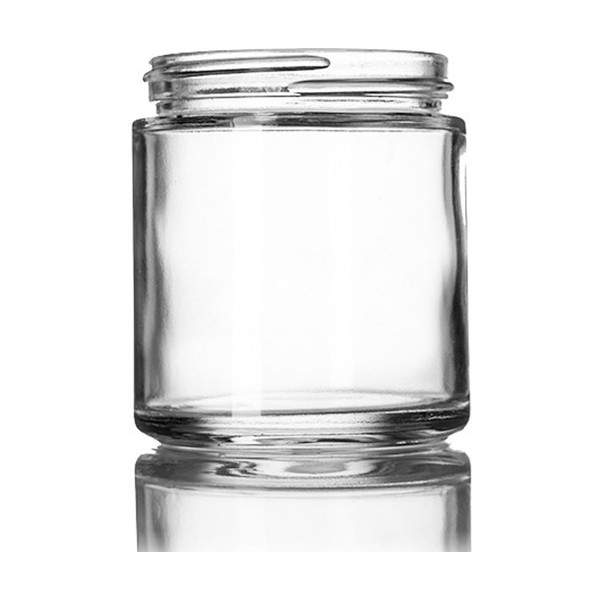
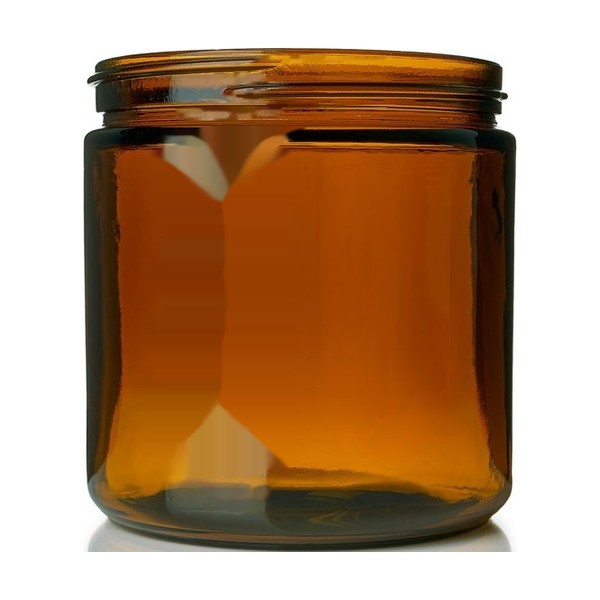
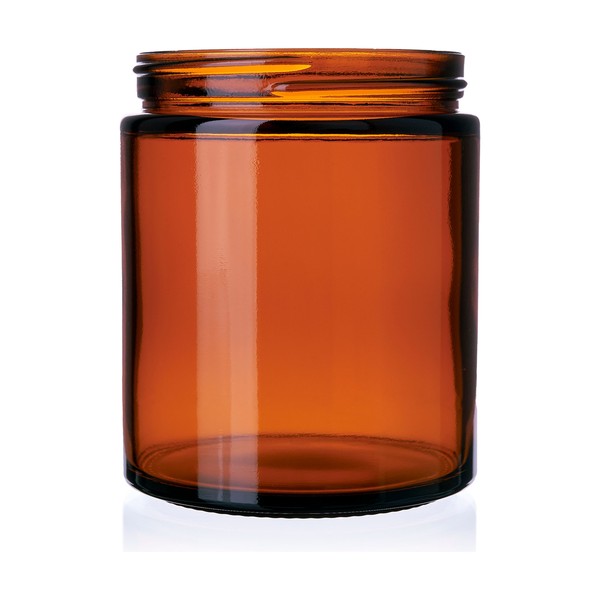
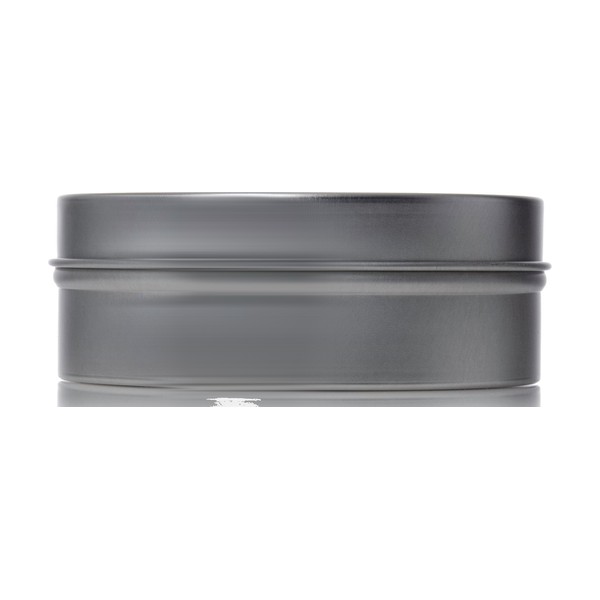
Even jars sold with candles fail sometimes. In February 2026, the CPSC announced a recall of about 1,140 Little Cow Company 9 oz soy candles in glass jars because the jar "can crack or break during use," after two reports of jars breaking [9]. If a company selling candles can have that problem, a gift in an untested jar deserves care. Buy jars sold for candle making, use the jar you tested in, and read which glass is safe for candles before trying anything else. Tins sold for candles are another option.
If you are giving many, or every year
Giving a dozen candles at the holidays is a small production run. Make all of them from the same tested recipe, pour from one batch if you can, and keep a note of what went into them in case someone tells you one burned oddly. Test burn every change of wax, wick, fragrance or jar before it goes into a gift. If you find yourself making candles for a craft fair or for a friend's shop, that is selling, and the questions change. Selling in the holiday season covers working back from November, and the warning label itself is covered in full on the warning label page.
References
- ASTM International, Increasing Candle Safety (Standardization News, March/April 2013), posted July 26, 2016. https://www.astm.org/news/increasing-candle-safety-ma13
- CandleScience, CandleScience SimplySoy Artisan Wax (product page with instructions), undated, read October 22, 2026. https://www.candlescience.com/wax/candlescience-simplysoy-artisan-wax
- Voyageur Soap & Candle, Golden Brands GW 464 Soy Container Candle Wax (product page with manufacturer's instructions), undated, read October 22, 2026. https://www.voyageursoapandcandle.com/Golden_Brands_464_Soy_Wax_p/20264.htm
- CandleScience, How to Make a Soy Candle, updated October 27, 2025. https://www.candlescience.com/learning/how-to-make-a-soy-candle
- U.S. Consumer Product Safety Commission, Candles Business Guidance, undated, read October 22, 2026. https://www.cpsc.gov/Business--Manufacturing/Business-Education/Business-Guidance/Candles
- Kohl's, Test Protocol 100-Z: Candle (including freestanding, taper, tealight, votive, filled and novelty candles), revised February 2025, read October 22, 2026. https://link.kohls.com/content/dam/klink/100-Z-CANDLE.pdf
- National Candle Association, Candle Safety Tips, modified August 12, 2025. https://candles.org/candle-safety/
- National Candle Association, Understanding Safety Standards, modified July 6, 2026. https://candles.org/understanding-safety-standards/
- U.S. Consumer Product Safety Commission, Little Cow Company Recalls 9 oz Candles in Glass Jars Due to Fire, Burn and Laceration Hazards, February 5, 2026. https://www.cpsc.gov/Recalls/2026/Little-Cow-Company-Recalls-9-oz-Candles-in-Glass-Jars-Due-to-Fire-Burn-and-Laceration-Hazards