Does a candle need a lid?
Updated
On this page8
No rule requires one. None of the federal candle requirements CPSC lists mentions lids, and neither does Kohl's published candle test protocol, the most complete retailer protocol available. A lid earns its place for practical reasons: it keeps dust and debris off the wax, protects the surface in shipping and on a shelf, and gives a finished look. What a lid must never do is stay on, or go back on, while the candle is lit or hot. This page covers what lids, dust covers, shrink bands and tamper seals each do, when to put them on, what customers need to be told, and what is and is not known about lids and scent.
What each closure does
| Closure | What it is | What it does well | What to watch |
|---|---|---|---|
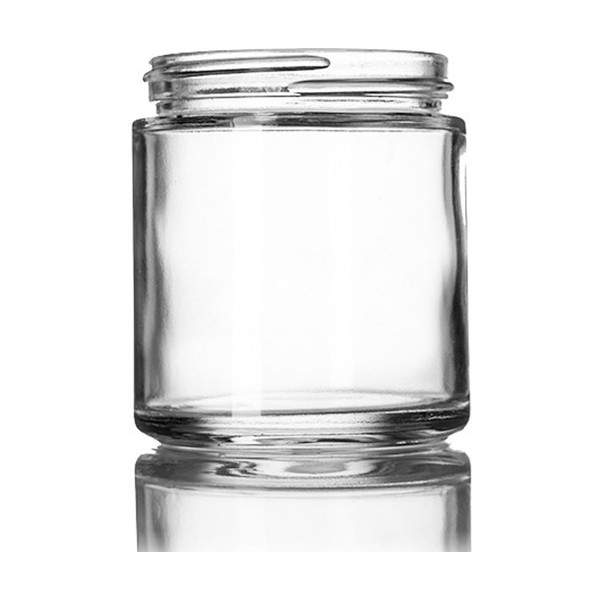
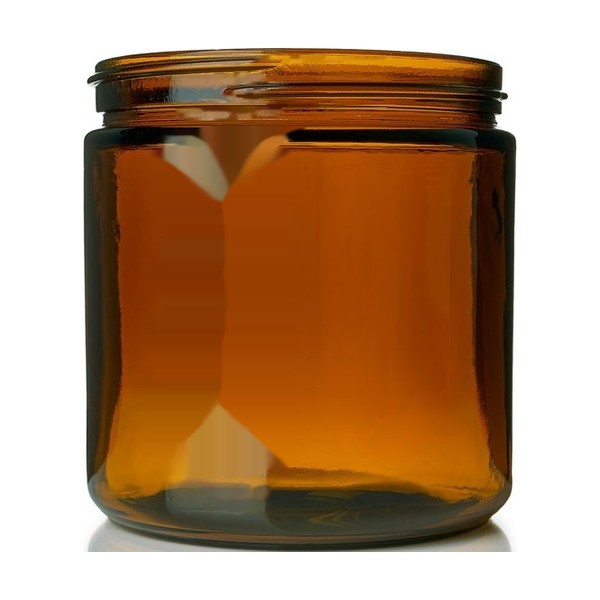
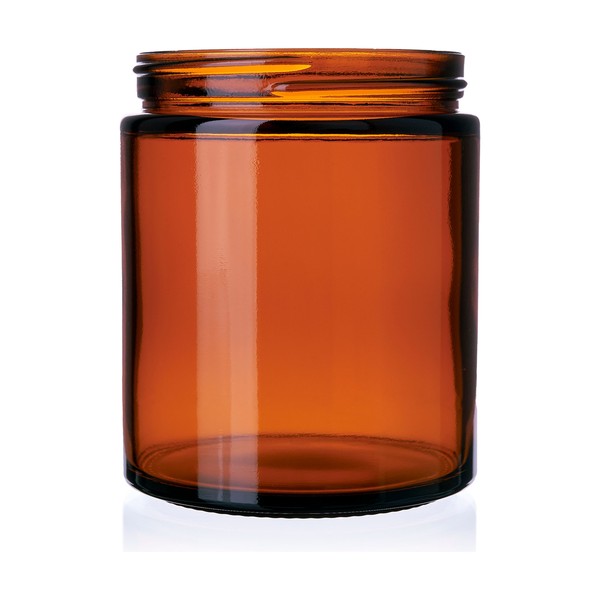
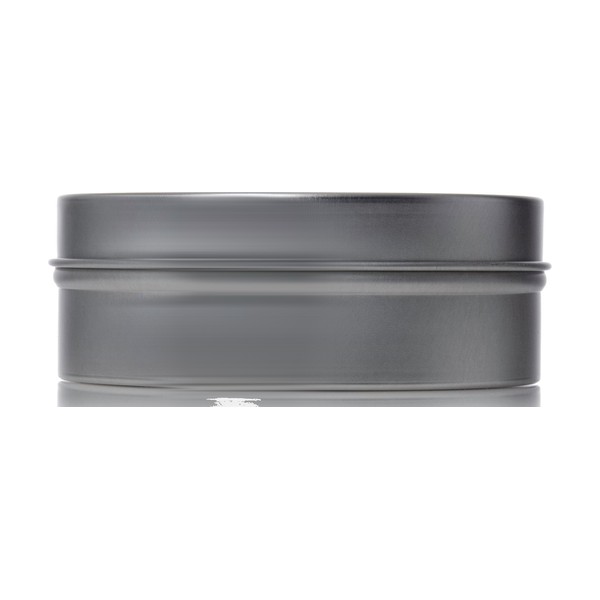
| Fitted lid (metal, wood, glass, plastic, ceramic) | A cover made for the jar or tin, slip-on or screw-top | Keeps dust and debris out; protects the wax surface; allows reuse | Must clear the wick; is a combustible item near the flame if left beside a lit candle (wood, plastic, cork) |
| Dust cover or cap | A thin cap, film disc or paper insert over the wax | Keeps the surface clean before first use at low cost | Must be removed before lighting; customers may not notice a clear film |
| Shrink band | A plastic sleeve heat-shrunk over the lid and jar neck | Holds a lid on in transit; shows whether the lid has been off | Must not be shrunk with heat aimed at the wax; must be removed before burning |
| Tamper seal or sticker | A label across the lid and jar | Shows the candle has not been opened or sniffed; cheap | Adhesive on the lid can leave residue; a label on the jar near the rim can sit close to the flame |
| No closure | An open candle | Simplest; customers can smell the cold throw | Dust and fingerprints on the wax; wicks get bent in handling |
Lidded candles are common at every scale. The Little Cow Company candles CPSC announced in February 2026 were sold in glass jars with screw top lids [1], and some of the Threshold candles in Target's 2023 notice were sold in lidded jars [2]. Neither notice concerned the lid, which is the point: the lid is packaging, and the safety questions sit with the jar, the wick and the wax.
When the lid goes on
Not until the candle has set. Covering warm wax traps heat and moisture against the surface. GW 464's instructions, for example, say to leave freshly poured candles uncovered for at least 24 hours as they cool [3]. Follow your own wax's sheet, and do not lid any candle until the top is fully set and at room temperature.
After the wick is trimmed, or with enough clearance for an untrimmed one. A lid that presses on a wick bends it over, and a bent wick lights off center. If you sell with the wick trimmed to burning length, check that a closed lid still clears it. Kohl's protocol requires at least 1/4 inch of exposed wick [4], so plan headroom above that. Clearance is set by your fill line (see how full to fill a candle jar).
Before the candle is shipped or stored. A lid keeps dust and handling marks off the wax. Store lidded candles upright; CandleScience recommends storing finished candles upright as much as possible [5].
The lid and the lit candle
This is the part that matters for safety and belongs in your care instructions.
- Remove the lid, dust cover, film and any shrink band before lighting. Every one of these can burn or melt.
- Put the lid well away from the flame. The National Candle Association tells consumers to keep a burning candle at least 12 inches from anything that can catch fire [6]; a wooden, cork or plastic lid set down beside the jar is exactly that. The F2058 cautionary statement Kohl's requires on candles includes "Keep away from things that can catch fire" [4].
- Do not put the lid on to put the candle out unless the lid is made and tested for that use. The NCA recommends a snuffer or blowing gently [6]. A lid dropped onto a hot jar can trap heat, and on glass it can be a thermal shock to the rim.
- Do not replace the lid until the candle has cooled completely. NCA also says not to move a candle until it has completely cooled [6]; the same patience applies to closing it.
Write these into the burn instructions you give customers. Burn instructions to give customers sets out the full card, and boxes, wraps and presentation covers where the card goes when the candle is boxed.
Shrink bands and tamper evidence
No federal candle rule CPSC lists requires tamper evidence on candles [7]. Makers use it for retail reasons: shops dislike candles that customers have opened to smell, and a band or seal shows the candle is as it left you.
Applying shrink bands by hand:
- Put the lid on a fully cured, cool candle.
- Slip a band sized for the closure over the lid and neck. Measure the widest point of the lid and order bands to fit it; a band that is too loose shrinks unevenly and wrinkles.
- Shrink it with a heat gun aimed at the band and moving constantly, from the side, not from above. You want the plastic to shrink, not the lid or the top of the wax to warm.
- Check the jar is not hot afterward. A band shrunk with heat held in one place can warm the glass and soften the wax surface beneath the lid.
- Tell the customer to remove it. A perforated band with a tear strip makes that easy.
Tamper stickers are simpler: one label across the lid edge and the jar. Use a label stock rated for the jar's temperature (see labels that stay on a candle), and keep the jar side of the seal well below the rim.
Lids and scent retention
Makers often say a lid preserves fragrance. That is plausible, because fragrance at the wax surface is what you smell as cold throw, and covering the surface slows what reaches the air. But none of the sources cited here reports a test comparing lidded and unlidded candles over time, so this page makes no claim about how much a lid helps. CandleScience's notes on fragrance oils say heat, sunlight and oxidation shorten an oil's life and recommend steady temperatures of 65 to 85°F in a dark place [8]; those points concern bottles of oil, but they are a reasonable model for storing finished candles as well. If scent retention matters to your claims, run your own comparison: pour a batch, lid half, leave half open, and sniff both at set intervals.
Choosing a lid that fits
- Use a lid made for that jar or tin. A lid sold for a different jar of similar capacity may not seal or may rock.
- Check the fit with the candle inside, since wax splashes near the rim or a heat-gun finish can stop a tight lid closing.
- Match the lid to how the candle will be used. A reusable vessel with a good lid is a selling point; a cheap cap is fine for a candle that is lit the day it is bought.
- Recheck fit and look when you change the lid. A new lid does not change how the candle burns, provided the customer removes it before lighting.
After the lid, the label and the box
Once the closure is settled, the next practical problem is a label that stays put near heat and oil: labels that stay on a candle. If the candle will be boxed or wrapped, boxes, wraps and presentation covers where the warning and care card go.
References
- U.S. Consumer Product Safety Commission, Little Cow Company Recalls 9 oz Candles in Glass Jars Due to Fire, Burn and Laceration Hazards, recall 26-241, February 5, 2026. https://www.cpsc.gov/Recalls/2026/Little-Cow-Company-Recalls-9-oz-Candles-in-Glass-Jars-Due-to-Fire-Burn-and-Laceration-Hazards
- U.S. Consumer Product Safety Commission, Target Recalls 2.2 Million Threshold Candles Due to Laceration and Burn Hazards, recall 23-255, August 10, 2023. https://www.cpsc.gov/Recalls/2023/Target-Recalls-2-2-Million-Threshold-Candles-Due-to-Laceration-and-Burn-Hazards-Sold-Exclusively-at-Target
- Voyageur Soap & Candle, Golden Brands GW 464 Soy Container Candle Wax (product page with manufacturer's instructions), undated, read October 22, 2026. https://www.voyageursoapandcandle.com/Golden_Brands_464_Soy_Wax_p/20264.htm
- Kohl's, Private Brands Performance Claims Test Protocols 100, Protocol 100-Z: Candle (including freestanding, taper, tealight, votive, filled and novelty candles), revised February 2025 (current revision; candle limits unchanged from 100-Y, February 2023), read October 22, 2026. https://link.kohls.com/content/dam/klink/100-Z-CANDLE.pdf
- CandleScience, Lab Notes: CandleScience Coconut Apricot Wax, undated (images dated April 2024), read October 22, 2026. https://candlescience.com/lab-notes-candlescience-coconut-apricot-wax
- National Candle Association, Candle Safety Tips, modified August 12, 2025. https://candles.org/candle-safety/
- U.S. Consumer Product Safety Commission, Candles Business Guidance, undated, read October 22, 2026. https://www.cpsc.gov/Business--Manufacturing/Business-Education/Business-Guidance/Candles
- CandleScience, How Long Do Fragrance Oils Last?, undated, read October 22, 2026. https://www.candlescience.com/how-long-do-fragrance-oils-last/