
How long a candle needs to cure before you burn or sell it
Updated
On this page8
Cure each candle for at least as long as its wax maker says, then set your own cure by testing. The published figures are shorter, and more varied, than the "one to two weeks for soy" often repeated: the Golden Brands GW 464 instructions say 48 hours before test burning; CandleScience says at least two days for SimplySoy, 3 to 5 days for IGI 4630 paraffin, and found coconut apricot's cold throw strong at 24 hours and slightly better at one week, with hot throw testers cured 3 days. No federal candle rule sets a cure time before sale. This page lists each supplier's figure, explains why they differ, and gives a simple test for finding your own.
What each supplier says
| Wax | Published cure or wait | What the wait is for | Source |
|---|---|---|---|
| Golden Brands GW 464 (soy container) | "Candles should be allowed to sit undisturbed for 48 hours before test burning"; test burn after the candle has set up "for a minimum of 48 hours" | Before the first test burn | Manufacturer's instructions as published by Voyageur [1] |
| CandleScience SimplySoy (soy container) | "Allow candles to cure for at least two days for optimal fragrance throw" | Fragrance throw | CandleScience product page [2] |
| CandleScience SimplySoy, beginner tutorial | No cure time given | CandleScience tutorial [3] | |
| IGI 4630 (paraffin container) | "we recommend curing your candles for 3-5 days" | General cure | CandleScience paraffin tutorial [4] |
| CandleScience coconut apricot (blend) | Cold throw "strong after just 24 hours," improved slightly after 1 week; hot throw testers cured 3 days | Cold throw and hot throw testing | CandleScience Lab Notes [5] |
You will also meet longer figures. Village Craft & Candle's troubleshooting article, for example, says "it is recommended that you cure a candle for at least 2 weeks after it is made before burning it" [6]. That is a supplier blog's general advice, not tied to a named wax or a published test, so this page does not use it as a rule. None of the wax makers above asks for two weeks.
Why the figures differ
Three reasons, all visible in the table.
They are different waxes. A soy container wax, a paraffin container wax and a coconut-soy-paraffin blend do not set the same way. One maker's figure tells you about that maker's wax.
They measure different things. GW 464's 48 hours is a minimum wait before you test burn. SimplySoy's two days is for "optimal fragrance throw." CandleScience's coconut apricot figures separate cold throw (the unlit candle) from hot throw (the lit candle) and give each a different timing. A candle can be ready to burn test before it is at its best for scent.
They answer different questions. A wait before testing makes sure you are judging a set candle. A cure before sale is your decision about when the candle smells and burns the way you want your customer to find it. The wax makers give you the first; you set the second.
What cure means for a candle
After a candle has cooled and looks solid, it keeps changing for some time. The GW 464 instructions describe the test burn as coming after the candle "has setup (cured or dried)" [1], and CandleScience ties SimplySoy's cure to fragrance throw [2]. In practice makers judge cure by two things they can measure: how the candle burns, and how strongly it smells, cold and lit. Both can be tested.
Setting your own cure by testing
Use one batch, poured the same day, so the only variable is time.
- Pour enough candles for every test day, plus a spare. For a schedule of four test days, that is five candles from one batch.
- Choose the test days. Start at your wax maker's figure and go out from there. For a soy wax with a 48-hour figure, a schedule of day 2, day 4, day 7 and day 14 covers the published figures and the longer ones you will hear.
- Store the candles together at room temperature, out of sun, with lids on once the cooling period is over.
- On each test day, check cold throw of one candle before lighting: lid off, at arm's length, in a room with no other scent. Score it the same way each time and write it down.
- Then burn that candle for a full test session in the same room, with the door closed, and record when you first notice the scent across the room, and how the melt pool, flame and wick behave. How to burn test a candle sets out the session length and readings.
- Compare the days. Your cure is the shortest time after which the results stop improving in a way you can notice. If day 7 and day 14 score the same, cure for 7 days.
- Repeat for each wax and oil combination you sell. A strong, fast oil may reach its best sooner than a soft one in the same wax.
Record the result with the candle's test record (keeping burn test records), so that your cure time has a basis you can show.
Before you sell
No federal rule sets a cure time before a candle is sold. CPSC's business guidance for candles lists the federal requirements, from the lead limit for metal-cored wicks to cautionary labeling and certificates, and none concerns curing [7]. The cure before sale is part of your product: it decides whether a customer who lights the candle the day it arrives gets the candle you tested. A cure of days to a week or two also sets the pace of your production, since every candle sits on a shelf before it can go out. How much time candle making takes and from first pour to first sale: a timeline build it into a schedule.
Where candles cure
Cure candles where they will not get hot, sit in sun or be knocked:
- Room temperature, steady, away from heaters and windows.
- Lids on after the cooling period, to keep dust off and to hold scent. The GW 464 instructions want containers open for at least the first 24 hours of cooling [1].
- Upright. CandleScience recommends storing candles upright as much as possible [5].
- Labeled with the batch number and pour date, so you know when each tray is ready.
Longer storage of finished stock is covered on storing wax, fragrance and finished candles.
If a cured candle still smells weak
A longer cure is one of several possible fixes, and not always the right one. The oil, the load, the wick and the room all matter. A candle that does not smell works through the causes in order, and the first test burn is set out on how to burn test a candle.
Top picks
Top containers for candles 4 oz · 58-400 · Glass · Amber · 2.6 in
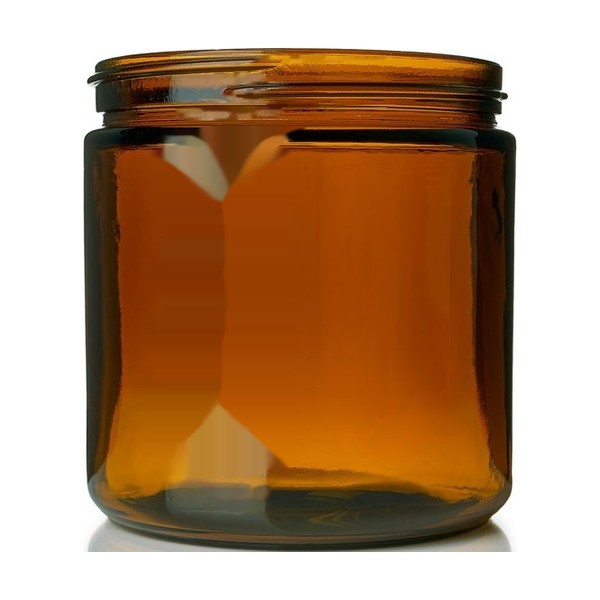 16 oz · 89-400 · Glass
 9 oz · 70-400 · Glass
 4 oz · 58-400 · Glass · Clear
 4 oz · 58-400 · Glass · Amber · 2.7 in
 6 oz · 63-400 · Glass
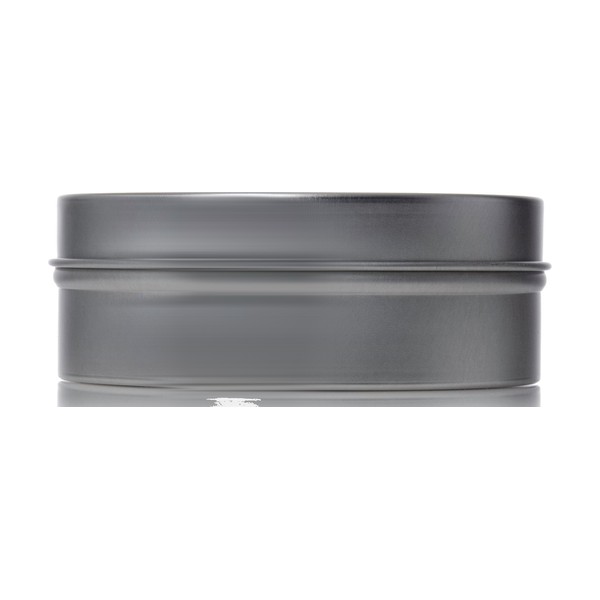 4 oz · Steel
 12 oz · 63-400 · Glass
References
- Voyageur Soap & Candle, Golden Brands GW 464 Soy Container Candle Wax (product page with manufacturer's instructions), undated, read October 22, 2026. https://www.voyageursoapandcandle.com/Golden_Brands_464_Soy_Wax_p/20264.htm
- CandleScience, CandleScience SimplySoy Artisan Wax (product page with instructions and applications), undated, read October 22, 2026. https://www.candlescience.com/wax/candlescience-simplysoy-artisan-wax
- CandleScience, How to Make a Soy Candle, updated October 27, 2025. https://www.candlescience.com/learning/how-to-make-a-soy-candle
- CandleScience, Simple Paraffin Containers, updated January 2021. https://www.candlescience.com/learning/simple-paraffin-containers/
- CandleScience, Lab Notes: CandleScience Coconut Apricot Wax, undated (images dated April 2024), read October 22, 2026. https://candlescience.com/lab-notes-candlescience-coconut-apricot-wax
- Village Craft & Candle, Top 10 Candle Making Problems and How to Solve Them, February 8, 2022. https://villagecraftandcandle.com/blogs/news/top-10-candle-making-problems-and-how-to-solve-them
- U.S. Consumer Product Safety Commission, Candles Business Guidance, undated, read October 22, 2026. https://www.cpsc.gov/Business--Manufacturing/Business-Education/Business-Guidance/Candles