What size candles should you make?
Updated
On this page7
Pick sizes by diameter first and capacity second, because the diameter of the jar decides the wick, and every diameter is a separate wick test. Most makers start with one jar they have tested and add a smaller and a larger size later. The ounces printed on a jar describe how much liquid it holds, not how much wax goes in or how long the candle burns; you find those by a test pour and a burn test. This page covers how capacity and diameter relate, how to read sizes in the market, how to measure burn time for each size, and how to build a range without multiplying your testing beyond reach.
Two numbers describe a jar, and only one sets the wick
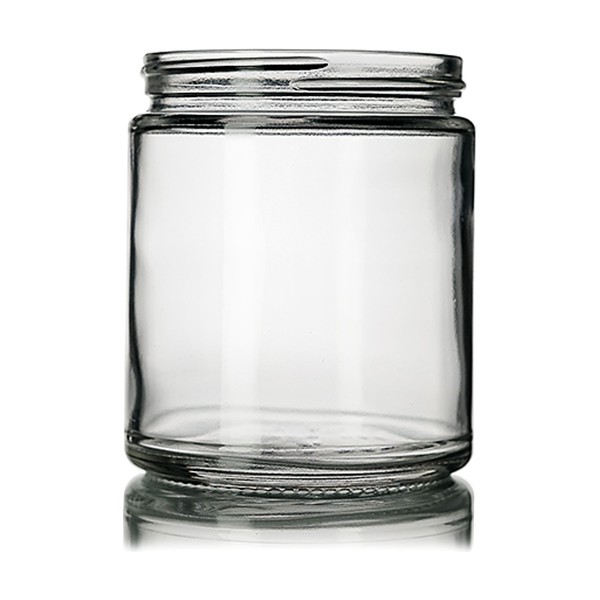
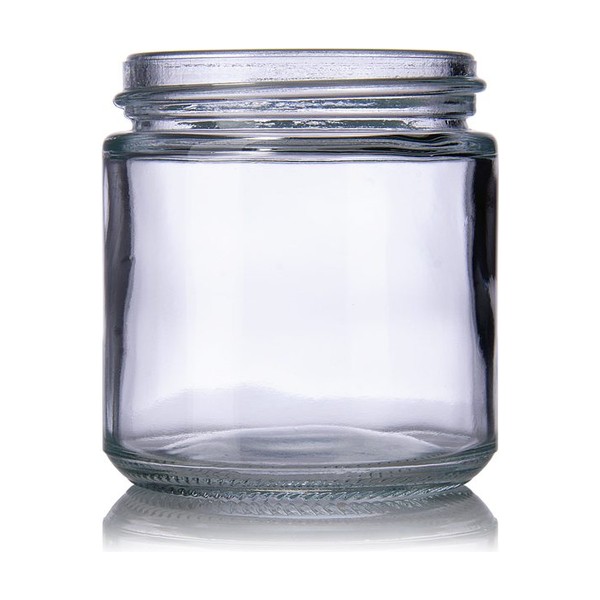
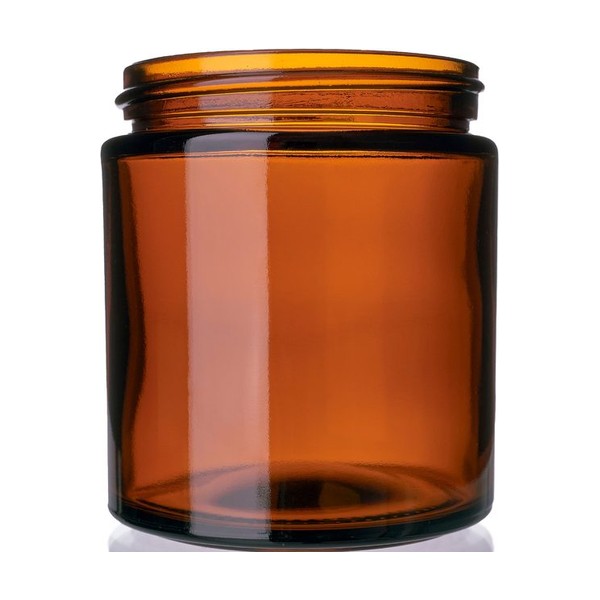
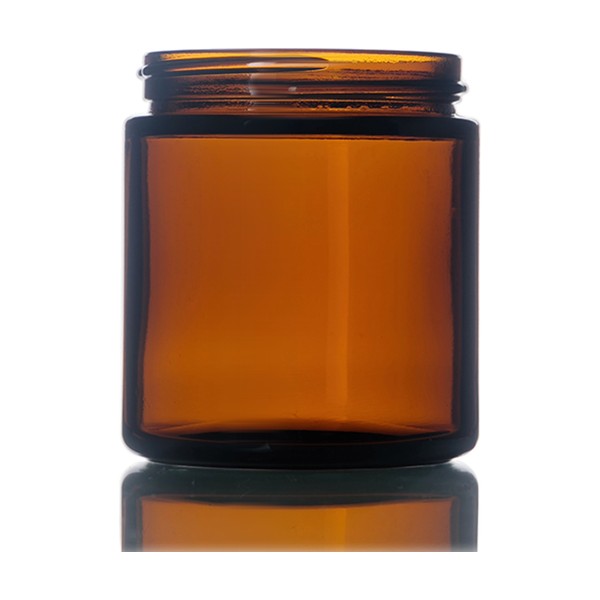
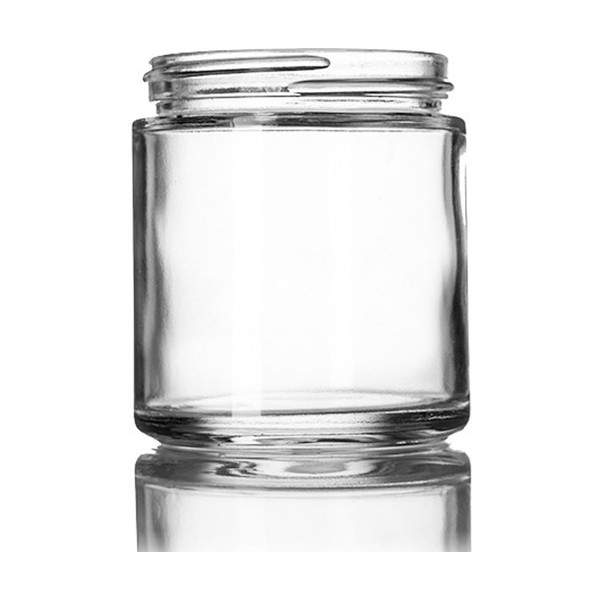
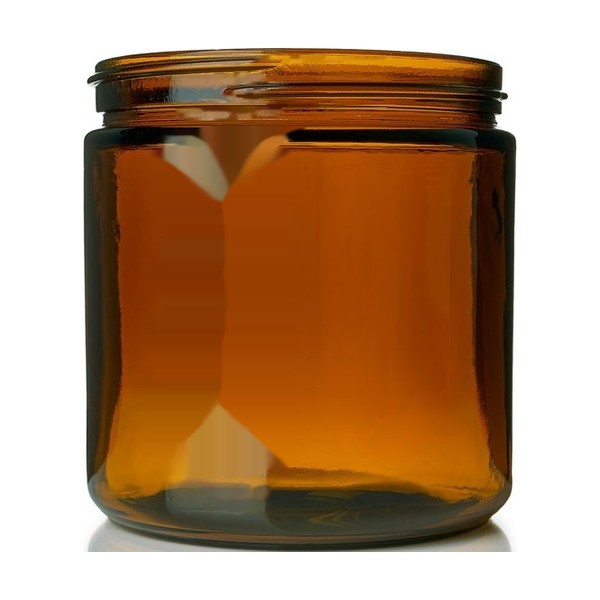
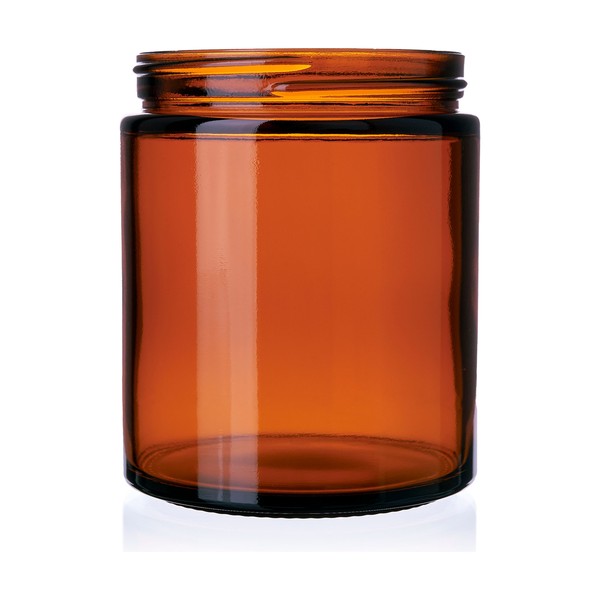
A jar listing usually gives capacity (in fluid ounces or milliliters, often to the brim) and sometimes dimensions (height, outside diameter, and opening). For candle work, the number that matters most is the inside diameter at the wax surface, because that is the width the flame has to melt across.
The published wick charts cited here are all organized by diameter rather than ounces:
- Northwood's chart and help article size wicks by vessel diameter, and for wide vessels it divides the diameter in half and wicks each half [1].
- Supplies for Candles' chart lists diameter bands; one published row gives 50 to 57 mm in its CocoPro wax with TCR 21/12, 24/12 or 24/14 as "a starting testing range" [2].
- NI Candle Supplies notes that fragranced container wax tends to burn about 10 to 12 mm wider than its chart states, so it suggests adjusting for that [3].
Two jars of the same capacity can need different wicks if one is tall and narrow and the other short and wide. Two jars of different capacity but the same diameter often start from the same wick candidate, although the taller one has more burn time and may behave differently late in its life. How to read a chart and test around its suggestion is on how to size a wick.
Measure the inside diameter yourself. A listing's "diameter" may be outside diameter, may be at the widest point of a curved jar, or may be at the opening. Measure inside, at the height where the wax will sit, and again at the bottom if the jar tapers.
Sizes you will see in the market
No published survey of candle sizes is available to cite. The sizes below come from CPSC recall notices, which describe real candles sold in the U.S. They show what is on shelves and are not recommendations.
| Candle in the notice | Size and wicks | Source |
|---|---|---|
| Target Threshold glass jar candles | 5.5 oz with one wick; 20 oz with three wicks | Recall 23-255, August 10, 2023 [4] |
| DEMDACO Maril scented candles | 8 oz glass jar | Recall 25-250, May 8, 2025 [5] |
| Little Cow Company soy candles | 9 oz glass jar with screw top lid | Recall 26-241, February 5, 2026 [6] |
The pattern is familiar from any candle aisle: a small single-wick size, a middle size around 8 to 9 oz, and a large multi-wick size. CandleScience's beginner tutorial uses a tumbler where 1 lb of wax fills two jars [7], which puts it in the same middle range. Note that the ounce figure on a candle label is net weight of the candle, and the figure on a jar listing is usually liquid capacity; they are different measurements (see how full to fill a candle jar).
When a size needs more than one wick
As diameter grows, a single wick large enough to melt to the wall tends to make a tall, hot flame. The usual answer is two or three smaller wicks, as in the 20 oz three-wick candles in the Target notice [4]. No source cited here sets a fixed diameter at which a second wick becomes necessary. Northwood's method of halving the diameter and wicking each half, which NI Candle Supplies also describes, is a starting point for testing [1] [3]. Multi-wick candles also heat their container more, so measure jar temperature carefully at that size. When a candle needs two or three wicks covers spacing and testing.
Measuring burn time for each size
Burn time is the number customers compare and the one a retailer will hold you to: Kohl's protocol requires a candle's burn time to meet its claim with no shortfall allowed [8]. You cannot calculate it from ounces. Measure it.
- Make the candle exactly as you will sell it, from the same wax, fragrance load, dye, wick and fill.
- Weigh it before the first burn on a scale that reads to at least 1 g.
- Burn in the sessions your test protocol uses. Kohl's burns most candles in 4 hour sessions [8]; CandleScience's burn test instructions also limit each burn to up to 4 hours [9].
- Log the time of every session to the minute, and weigh the candle after it cools.
- Stop where your customer would stop. The National Candle Association tells consumers to stop when 1/2 inch of wax remains [10]; that is the end of the candle's useful life for a burn time claim.
- Add the session times. That total is the burn time for that candle. Repeat on at least a second candle before you print a claim.
The weights let you see the burn rate (grams per hour) change through the candle's life, which helps you compare sizes. They are a check only: burn rate is not constant, so weights cannot replace burning to the end. If you state burn time on the label, use the shortest result you measured.
Building a size range without drowning in tests
Each size is a full set of tests: wick candidates, cure, full burns, temperature. Each fragrance can shift the wick. Supplies for Candles warns that a change of 1 to 2 percent in fragrance load can affect performance [11], and a change of jar is a change of build under GW 464's instruction that every combination of container, wax, dye, fragrance and wick should be tested [12].
A practical way to keep it manageable:
| Step | What you decide | Why |
|---|---|---|
| 1. Start with one tested jar | The jar from your first successful candle, or a supplier's tutorial jar | You already know a wick that works in it |
| 2. Add sizes that share a diameter | Taller or shorter jars with the same inside diameter | They usually start from the same wick candidate, so testing is shorter (still burn to the end; height changes late-life heat) |
| 3. Add one smaller size | A travel or sample size | Lower price point; often a single small wick |
| 4. Add one large size only when you need it | A wide jar, usually multi-wick | The most testing and the highest jar temperatures |
| 5. Keep each fragrance in as few sizes as sells | Your best sellers in every size; new scents in one | Each fragrance and size pair is its own test |
Price follows size but not in proportion: the vessel, lid, label and labor cost nearly as much for a small candle as a large one. How to price a candle works through a cost build.
From a size to a fill weight
Once you have a jar, the next number you need is how much wax it takes at your fill line, which is also the basis for the net weight on your label. How full to fill a candle jar, and how much wax it holds walks through the test pour.
References
- Northwood, How to choose the best wicks (help article; wick chart updated November 2023), undated, read October 22, 2026. https://northwood-knowledge.groovehq.com/help/how-to-choose-the-best-wicks
- Supplies for Candles, Wick Size Chart, published September 14, 2020, modified September 2, 2026. https://www.suppliesforcandles.co.uk/wick-size-chart/
- NI Candle Supplies, The Only Candle Wick Guide You'll Ever Need, June 24, 2025, updated September 17, 2026. https://www.nicandlesupplies.com/blogs/how-to-guides/the-only-candle-wick-guide-youll-ever-need
- U.S. Consumer Product Safety Commission, Target Recalls 2.2 Million Threshold Candles Due to Laceration and Burn Hazards, recall 23-255, August 10, 2023. https://www.cpsc.gov/Recalls/2023/Target-Recalls-2-2-Million-Threshold-Candles-Due-to-Laceration-and-Burn-Hazards-Sold-Exclusively-at-Target
- U.S. Consumer Product Safety Commission, DEMDACO Recalls Maril Brand Scented Candles Due to Laceration and Fire Hazards, recall 25-250, May 8, 2025. https://www.cpsc.gov/Recalls/2025/DEMDACO-Recalls-Maril-Brand-Scented-Candles-Due-to-Laceration-and-Fire-Hazards
- U.S. Consumer Product Safety Commission, Little Cow Company Recalls 9 oz Candles in Glass Jars Due to Fire, Burn and Laceration Hazards, recall 26-241, February 5, 2026. https://www.cpsc.gov/Recalls/2026/Little-Cow-Company-Recalls-9-oz-Candles-in-Glass-Jars-Due-to-Fire-Burn-and-Laceration-Hazards
- CandleScience, How to Make a Soy Candle, updated October 27, 2025. https://www.candlescience.com/learning/how-to-make-a-soy-candle
- Kohl's, Private Brands Performance Claims Test Protocols 100, Protocol 100-Z: Candle (including freestanding, taper, tealight, votive, filled and novelty candles), revised February 2025 (current revision; candle limits unchanged from 100-Y, February 2023), read October 22, 2026. https://link.kohls.com/content/dam/klink/100-Z-CANDLE.pdf
- CandleScience, How to Conduct a Burn Test, undated, read October 22, 2026. https://candlescience.com/learning/how-to-conduct-a-burn-test/
- National Candle Association, Candle Safety Tips, modified August 12, 2025. https://candles.org/candle-safety/
- Supplies for Candles, The Complete Guide to Wick Testing: What Every Candle Maker Needs to Know, published February 26, 2026, modified September 2, 2026. https://www.suppliesforcandles.co.uk/the-complete-guide-to-wick-testing-what-every-candle-maker-needs-to-know/
- Voyageur Soap & Candle, Golden Brands GW 464 Soy Container Candle Wax (product page with manufacturer's instructions), undated, read October 22, 2026. https://www.voyageursoapandcandle.com/Golden_Brands_464_Soy_Wax_p/20264.htm