What changes when you make the same candle to sell?
Updated
On this page8
The candle itself does not have to change. What changes is that you stop adjusting it. A candle you sell is a written specification: one wax by product name, one fragrance oil at one load, one dye rate, one wick size and series, one vessel, one fill weight, one cure time. You burn test candles made exactly to that specification, and every candle you sell is made the same way. Change any line and the test results no longer describe what you are selling. This page shows what to write down, how to test to it, and which changes send you back to testing.
The difference between a candle you like and a product
A hobby candle is allowed to drift. You try a little more fragrance this time, a different jar next time, and you judge each one by how it burns on your own table. That is how most makers learn, and it is the right way to learn.
Selling removes the drift. The person who buys your candle cannot see your notes, and the candle they light has to behave like the one you tested. Wax makers write their instructions on that assumption. The Golden Brands GW 464 instructions published by Voyageur say "Every combination of container, wax, dye, fragrances, and wick should be tested for burn quality" [1]. CandleScience says its wick recommendations "are based on a 7.5% fragrance oil load and no dyes," that "Dyed or heavily fragranced candles may require a larger wick size than the guide recommends," and that the recommendations "are a starting point for your own testing" [2]. A wick chart is a hypothesis about your candle. Only a test of the exact combination tells you whether it holds.
The specification sheet
Write one sheet for each candle you intend to sell, before the burn tests that will approve it. Every line below is a variable a supplier or test source names as one that changes how a candle burns.
| Line on the sheet | What to record | Why it is on the sheet |
|---|---|---|
| Wax | Supplier, product name and number, lot number of the bag or case you tested | Waxes "burn at different rates and viscosities" [3]; wax makers tell you to test every combination [1] |
| Fragrance oil | Supplier, oil name and product code, lot, IFRA certificate on file | "A new fragrance oil can completely alter burn behaviour" [3] |
| Fragrance load | Grams of oil per gram of wax, and the percent you mean (of wax or of finished candle) | even a 1 to 2 percent change "can impact performance" [3]; wick charts assume a set load [2] |
| Dye | Product, form, amount per batch by weight or count | Dyes are on the list of variables to test [1][3]; wick guidance assumes none [2] |
| Wick | Series and size, length, tab, supplier | The wick is what your tests are approving |
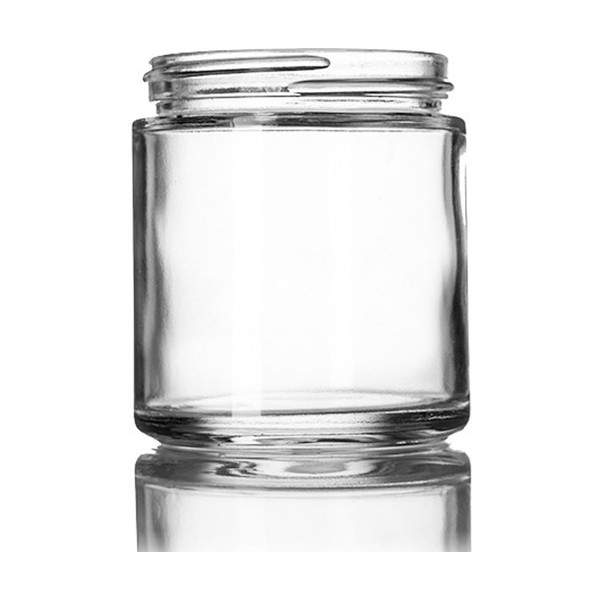
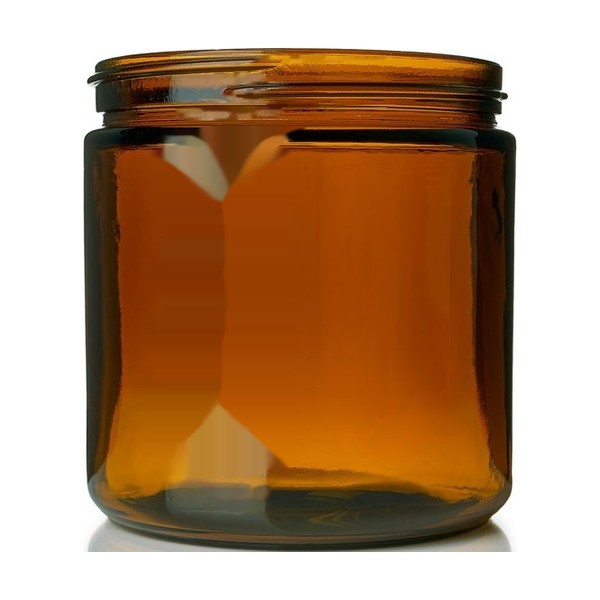
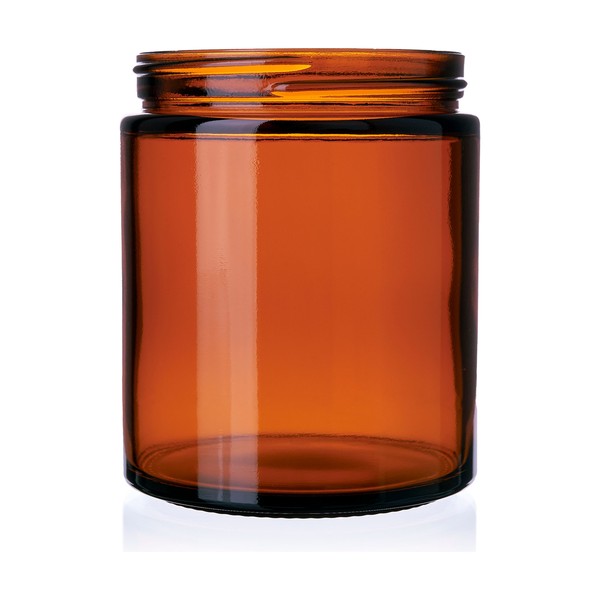
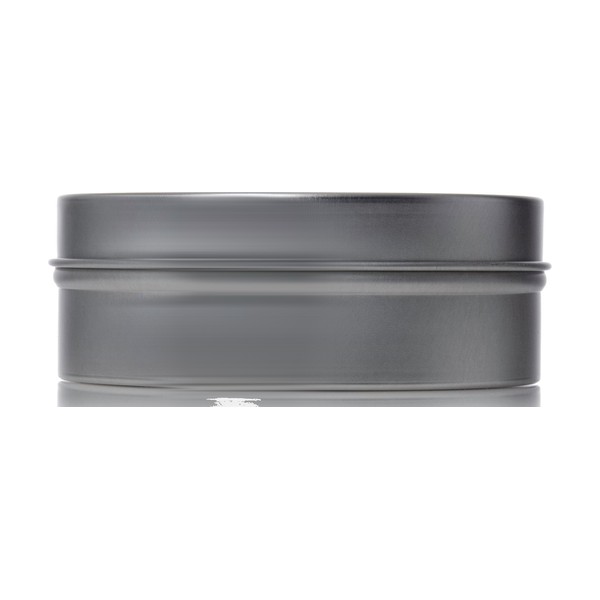
| Vessel | Supplier, item description, internal diameter, height, glass or metal | Wicks are selected on internal diameter [3] |
| Fill weight | Measured net weight of the finished candle at your fill line | Sets the burn time and the label weight |
| Process | Melt, fragrance addition and pour temperatures; stirring time; cooling conditions | Taken from your wax's data sheet; record what you actually did |
| Cure | Hours or days before the candle is burned or sold | Wax makers state their own figures; GW 464 says 48 hours before test burning [1] |
| Approval | Test dates, candles tested, result, who approved | Links the sheet to the evidence |
Two of these lines catch makers out more than the others.
Fragrance load. Write it as a weight, and say which base it is a percent of. One ounce of oil in one pound of wax is 6.25 percent of the wax weight and 5.9 percent of the finished candle. The arithmetic and the supplier maximums by wax live on how much fragrance oil to use.
Fill weight. Do not copy the jar's fluid ounce capacity. Weigh finished candles poured to your fill line and record the net weight of the candle (wax, oil and dye, not the jar). That number is also what goes on the label. How full to fill a candle jar shows the test pour.
Testing to the specification
Testing a product is the same burn test you already know, run on candles made exactly to the sheet.
- Make the test candles from the specification, not from memory. Weigh every ingredient, use the wax and oil lots named on the sheet, and record the batch on a pour log (batch record template).
- Cure them for the time on the sheet. CandleScience's burn test instructions ask for a candle "cured for at least 24 hours" [4]; GW 464's instructions say 48 hours [1]. Use your wax maker's figure, and use the same figure when you sell.
- Burn in cycles and record each hour. CandleScience's instructions: extinguish after four hours, allow at least five hours to cool, "Check back each hour to record your observations," and "Wait until at least the fourth burn cycle to draw any conclusions about your wick choice" [4].
- Burn to the end. Continue cycles until a quarter inch (6 mm) of wax remains, as CandleScience's instructions do [4]. A candle that behaves for three cycles and overheats near the bottom of the jar has not passed.
- Judge against written criteria. The full protocol, with the pass and fail figures one retailer publishes, is on how to burn test a candle.
- Sign the sheet. Date it, attach the test records (keeping burn test records), and from that day make the candle only to that sheet.
If a candidate fails, change one thing and test again. GW 464's instructions put it plainly: "Test for one variable at a time when trouble shooting to isolate the cause" [1]. When to change the wick size covers the usual first move.
Changes that send you back to testing
Treat any change to a line on the sheet as a new candle until a test says otherwise.
- A different fragrance in the same wax and jar. This is the change makers most often assume is safe, and it is the one Supplies for Candles singles out: even with everything else the same, a new oil "can completely alter burn behaviour" [3].
- A different load, even a small one. One to two percent can matter [3].
- Adding or changing dye. Wick recommendations assume no dye [2].
- A new jar that looks the same. A different supplier's "8 oz tumbler" can have a different inside diameter or wall.
- A wax or wick the supplier has reformulated or replaced. Suppliers discontinue products. CandleScience marked its yellow dye blocks "discontinued and no longer available" as of November 12, 2025 [5]; any candle specified with them needed a new dye line and a new test.
The full list, with the changes that need only a confirmation burn, is on what has to be retested when you change something.
Holding the specification from batch to batch
A signed sheet is only useful if the batches match it.
- Weigh, every time. Measure by weight with a scale that resolves the smallest amount you add. Weighing wax and fragrance covers resolution and the percent errors that creep in.
- Record lots. Write the wax, oil and wick lot numbers on each batch record. If a batch burns differently, the lot is the first thing you will want to know.
- Keep one or two candles from each batch. A retained candle lets you burn a sample when a customer reports a problem, and compare it against the approved test.
- Confirm a new lot of wax or oil. None of the wax makers' sheets cited here gives a lot-to-lot tolerance, so set your own rule (for example, one confirmation burn from each new wax lot) and write it on the sheet. Keeping every batch the same goes further.
What the specification also gives you
The sheet does more than control the burn. It is where your cost per candle comes from, because every ingredient is listed by weight. It is the source of your label's net weight and of the wax and fragrance you name in a listing. If your wick has a metal core, it is the record behind the federal certificate that wick requires (certificates of conformity). And if a candle you sold ever causes a problem, it shows exactly what that candle was (if a candle you sold causes a fire).
Putting the specification on a calendar
A specification takes weeks to approve, because cure and full burns take the time they take. From first pour to first sale lays those weeks out in order, from the first test pour to the first candle you hand to a customer.
References
- Voyageur Soap & Candle, Golden Brands GW 464 Soy Container Candle Wax (product page with manufacturer's instructions), undated, read October 22, 2026. https://www.voyageursoapandcandle.com/Golden_Brands_464_Soy_Wax_p/20264.htm
- CandleScience, Candle Wick (category page and Candle Wick Guide notes), undated, read October 22, 2026. https://www.candlescience.com/candle-wick
- Supplies for Candles, The Complete Guide to Wick Testing: What Every Candle Maker Needs to Know, published February 26, 2026, modified September 2, 2026. https://www.suppliesforcandles.co.uk/the-complete-guide-to-wick-testing-what-every-candle-maker-needs-to-know/
- CandleScience, How to Conduct a Burn Test, undated, read October 22, 2026. https://candlescience.com/learning/how-to-conduct-a-burn-test/
- CandleScience, Yellow Dye Blocks (product page, discontinued as of November 12, 2025), read October 22, 2026. https://www.candlescience.com/color/yellow-dye-blocks/