
Where should you make candles at home?
Updated
On this page10
Make candles in a room with a stove or hot plate, a sturdy heat-resistant counter, good airflow and a door you can close on children and pets, which for most people means the kitchen. Arrange it in four zones: a heat zone where wax melts in a water bath, a pour zone beside it, a cooling and curing area where candles can sit undisturbed for days at an even room temperature, and a cool, dark storage spot for wax and fragrance oil away from the heat. This page sets out each zone with the conditions suppliers publish, what to keep apart, and when to tell your insurer or check local fire rules.
The four zones
| Zone | What happens there | What it needs | What to keep out of it |
|---|---|---|---|
| Heat | Wax melts in a pitcher set in a pan of water, or in a melter | A stove or hot plate on a stable surface; a lid or flat metal sheet within reach | Paper towels, labels, packaging, fragrance bottles, anything that burns |
| Pour | Fragrance and dye go in; wax is poured into jars | A heat-resistant, wipeable surface at a comfortable height; jars on a tray | Traffic, elbows, pets |
| Cooling and curing | Poured candles set and cure for days | A flat shelf or counter in a still room at an even temperature, with space between candles | Drafts, sunlight, windows, heaters, air vents |
| Storage | Wax, fragrance oil, wicks, dye and jars wait to be used | Cool, dry, dark, closed containers, out of reach of children | Heat sources, direct sun, food |
Testing needs a fifth spot later: somewhere to burn test candles where you can watch them for hours. The National Candle Association's consumer advice for burning candles (keep them on a stable, heat-resistant surface at least 12 inches from curtains, bedding, books and other flammable items, away from drafts, and in a well-ventilated room [1]) is a sound standard for that spot too.
The heat zone
Heat wax indirectly. A pouring pitcher in a pan of simmering water is the standard home setup; the UN Food and Agriculture Organization's advice on beeswax is that wax should always be processed in water or a water bath [2]. Keep the water topped up so the pan never boils dry. Never leave melting wax unattended.
Put the lid you would use to smother a fire where you can reach it without leaning over the heat. The Cambridge Fire Department's advice for a small grease fire, the closest fire authority advice to a wax fire found, is to slide a lid over the pan, turn off the burner and not move the pan [3]. What to do if wax catches fire, step by step, is on the wax fires page.
Keep fragrance oil bottles out of the heat zone. You only need the measured amount at the pour zone.
The pour zone
CandleScience's beginner tutorial asks for a flat surface, such as a counter or table, that can stay clear for several hours while candles set [4]. Cover it with something that peels or wipes clean, such as a silicone mat, a baking sheet or kraft paper. Set jars on a tray so you can pour without reaching across the heat zone. Wipe spills of fragrance oil at once; oil left on a counter is slippery, will burn if it reaches a flame, and can irritate or sensitize the skin of the next person who leans on it.
The cooling and curing area
How candles cool decides how they look. The manufacturer's instructions for Golden Brands GW 464 soy wax ask for candles to cool undisturbed at an ambient temperature of 70°F, with containers about 1/2 inch apart and left open for at least 24 hours, and then to sit undisturbed for 48 hours before test burning [5]. A cold kitchen at night, a windowsill, a shelf above a radiator or a spot under an air vent will each show up as a rough top or wax pulling from the glass. If your kitchen cannot give you a still, even spot, use another room for cooling and carry the candles there only after the wax has set.
Choose somewhere candles can stay for days without being moved for cooking or cleaning. A dedicated shelf or a rack in a spare room works well.
Storage
Store wax and oil the way their suppliers ask. The GW 464 instructions say to store the wax in a cool, dry location away from direct heat, sunlight and moisture [5]. One fragrance oil's safety data sheet, from AFI-USA, says to store it in a well-ventilated place, keep the container tightly closed and keep it cool [6]. Every oil has its own safety data sheet (SDS), and section 7 gives its storage conditions; check it for each oil you buy.
The SDS also gives the oil's flash point, which determines how it is classed for shipping and storage. CandleScience states that all of its fragrance oils have flash points above 141°F [7], and the AFI-USA example lists a flash point above 200°F [6]. Oils with lower flash points need more care in storage; keep them well away from heat and flame. Fragrance flash point explains the shipping classes, and the storage classes that fire codes and OSHA set by flash point are tabulated on making more candles.
Keep stored materials away from food and out of reach of children. Fragrance oil in a small bottle can look like a drink or a food flavoring. Poison Control advises keeping essential oils locked up, out of the sight and reach of children and pets; if anyone swallows oil, call Poison Control at 1-800-222-1222, which it says is free, confidential and available 24 hours a day [8]. Long-term storage of wax, oil and finished candles is covered on storing supplies and stock.
Ventilation
Open a window or run a range hood while you melt wax and work with fragrance oil. You will be smelling concentrated fragrance for an hour or more, and a stuffy room makes that unpleasant and makes it harder to judge a scent. Burn test in a well-ventilated room as well [1].
Children and pets
Hot wax, a water bath and fragrance oil are all hazards at a child's or a pet's height. Work when you can close the door, or when children are out or asleep. Keep a pet out of the cooling area too: a candle knocked over while the wax is liquid spills hot wax, and a cat walking across a fresh top leaves prints.
Telling your insurer and checking local rules
If you make candles at home, tell your home or renter's insurer, especially if you plan to sell. Some policies treat a home business differently from a hobby, and you want to know before a claim rather than after. Selling brings product liability questions that a homeowner's policy may not answer; see insurance for candle makers.
No fire code provision written specifically for home candle making has been published by the fire authorities cited here. Rules on storing flammable liquids, or on running a business from home, vary by city and county. If you plan to keep more than a few bottles of fragrance oil, or to make candles for sale, ask your local fire marshal and your city's zoning office what applies. Do you need a license to sell candles? explains how to check home business rules.
Protecting the person in the workspace
The room is half the safety setup. The other half is what you wear and what you do if you are splashed or burned, which is on protecting yourself from hot wax and fragrance oil.
Top picks
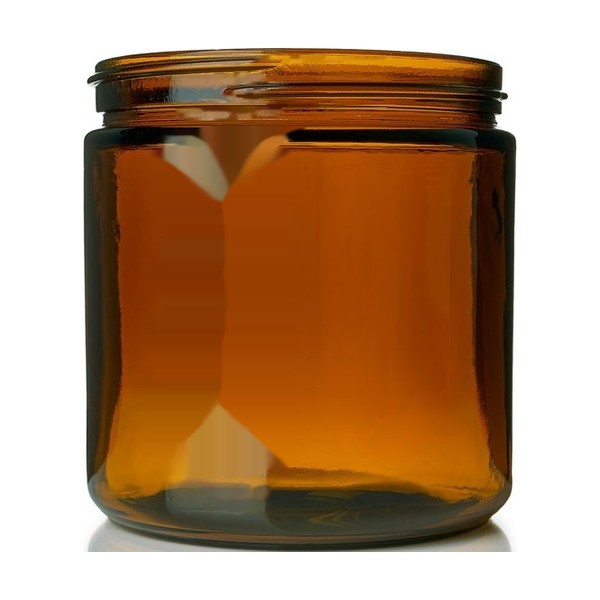
Top containers for candles 4 oz · 58-400 · Glass · Amber · 2.6 in
 16 oz · 89-400 · Glass
 9 oz · 70-400 · Glass
 4 oz · 58-400 · Glass · Clear
 4 oz · 58-400 · Glass · Amber · 2.7 in
 6 oz · 63-400 · Glass
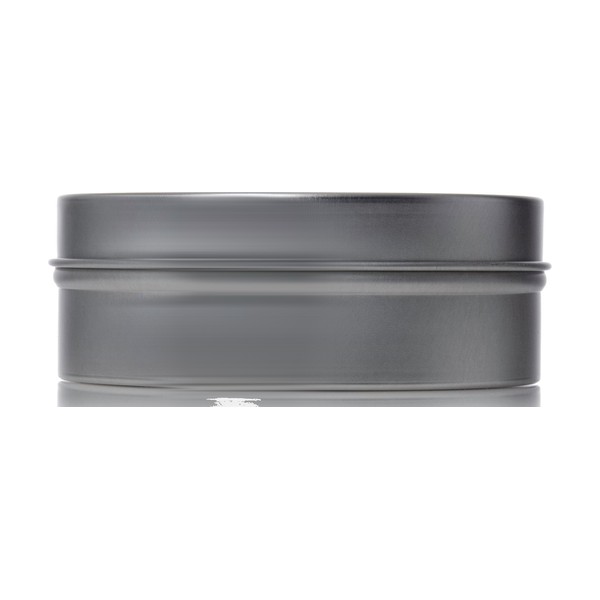 4 oz · Steel
 12 oz · 63-400 · Glass
References
- National Candle Association, Candle Safety Tips, modified August 12, 2025. https://candles.org/candle-safety/
- Food and Agriculture Organization of the United Nations, Value-added products from beekeeping, Chapter 4: Wax, undated. https://www.fao.org/4/W0076e/w0076e12.htm
- Cambridge Fire Department, Cambridge Fire Department Offers Safety Tips Related to Kitchen Grease Fires in Response to Recent Incidents, May 23, 2023. https://www.cambridgema.gov/cfd/News/2023/05/cookingfiresafety
- CandleScience, How to Make a Soy Candle, updated October 27, 2025. https://www.candlescience.com/learning/how-to-make-a-soy-candle
- Voyageur Soap & Candle, Golden Brands GW 464 Soy Container Candle Wax (product page with manufacturer's instructions), undated, read October 22, 2026. https://www.voyageursoapandcandle.com/Golden_Brands_464_Soy_Wax_p/20264.htm
- AFI-USA, Safety Data Sheet F67142 (fragrance oil), version 3, issue date August 11, 2026. https://www.afi-usa.com/F2/Reports/pdf/REPORT_SDS_F67142.pdf
- CandleScience Support, What does the fragrance flashpoint mean?, updated May 1, 2026. https://support.candlescience.com/en_us/what-does-the-fragrance-flashpoint-mean-H1whhmgsZl
- Poison Control (National Capital Poison Center), Essential oils: Poisonous when misused, undated (© 2012-2026), read October 22, 2026. https://www.poison.org/articles/essential-oils