What size bottle
Updated
On this page6
A category with strong conventions, and a size decision that reaches shipping more than anything else.
The sizes the category uses
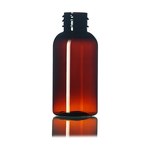
A spray bottle around 500 to 750 ml, which is the shelf standard for a trigger product.
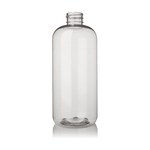
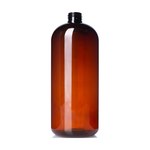
A pour bottle around 1 liter for floor and general cleaners.
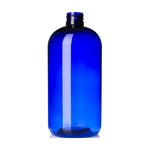
A concentrate at 250 to 500 ml, deliberately small because that is the point of it.
And a refill container, larger, sold as a lower-cost top-up.
Net quantity is a volume
Liquids are declared by volume in this category, with metric alongside, and it goes on the principal display panel.
You will fill by weight, so establish the relationship once: fill several bottles to the target volume, weigh them, and use that weight as the fill target.
Re-establish it if the formula's density changes, which it does with a reformulation.
What size decides
Shipping cost, more than anything else. A liter of water weighs a kilogram and a case of twelve is heavy, awkward and expensive.
Whether the product is a trigger product at all, since a trigger suits a range of sizes and becomes impractical above it.
Shelf position, because retailers have a shelf height and a facing width in mind.
How fast it is used, which sets how long the product sits open and therefore how hard the preservative works.
Standardizing
One or two sizes across the range. Every additional size is its own bottle, closure, label size, carton and case count.
Share the neck finish across sizes where you can, so one closure and one trigger fits everything, which is the single biggest simplification available in this category.
And check the label area before committing, because a cleaning product label carries more mandatory content than most: identity, net quantity, name and address, cautionary labeling, directions, and for California an ingredient list as well.