What makes a vessel a candle vessel
Updated
On this page6
The most important page in this section, because it is the one where a packaging catalog and a candle maker most often misunderstand each other.
Not every jar
A jar is a container. A candle vessel is a container that has to hold a heat source for four hours at a time, repeatedly, and cool down in between.
Those are different requirements, and most glass jars in any packaging catalog were made for the first one.
What the standard covers
ASTM F2179 is the specification for annealed soda-lime-silicate glass containers produced for use as candle containers. It sets scratch test, temper and thermal shock requirements.
Annealing is the controlled cooling that removes internal stress from formed glass. Poorly annealed glass carries stress, and stress plus a thermal gradient is how glass cracks.
The standard is voluntary. What it describes is the difference between glass that was made with a candle in mind and glass that was not, and nothing on the outside of a jar tells you which you have.
What actually fails
Thermal shock: a hot base and a cool wall, or a hot candle on a cold surface.
A flaw at the base, where a scratch or an inclusion becomes a crack once stress is applied.
A wall too thin for the heat the wick delivers, which is a wicking problem presenting as a vessel problem.
And a shape that concentrates heat: a sharp shoulder or a narrow base holds heat where the glass is already stressed.
Choosing one
Ask the supplier directly whether the container is intended and specified for candle use, and whether it is annealed to F2179. It is a question they can answer, and a hesitant answer is an answer.
Then test it yourself with your own wax and wick, all the way down, with your hand on the glass.
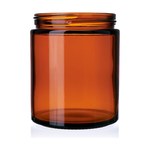
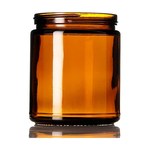
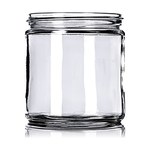
The straight-sided jar is the category default because it is the easy case: even diameter, even wall, no shoulder to trap heat.
Diameters we stock, which is what sets the wick