Lids
Updated
On this page6
Optional, expected, and doing more work than people assume.
What a lid is for
Keeping scent in during the cure and on the shelf, which is the main one.
Keeping dust out of the wax surface, which matters in a shop and matters more at a market.
And presentation: a lid makes a candle read as a finished product rather than a jar of wax.
It is also where a brand mark can go without competing with the label.
Materials
Metal, usually with a liner. Cheap, seals well, and the liner is the part to check: some liners are affected by strong fragrance over time.
Wood, which reads premium and warps if it gets damp or is stored humid.
Cork, similar, softer, and it stains from any wax that reaches it.
Plastic, cheapest and hardest to make look considered.
Fit
Ordered against the vessel's finish, not against its nominal size. A 70-400 lid fits a 70-400 finish, and "8 oz jar" tells you nothing about what closes it.
Which is the one specification worth getting right before ordering either: a case of lids that do not fit is a case of lids.
Buy lid and vessel from the same supplier and the same range where you can.
When a lid causes a problem
Put on warm, it traps moisture and can mark the surface.
Used as a coaster while the candle burns, which customers do, a metal lid conducts heat to the table.
And it is the second most common thing to reach into the melt pool if it sits on top while lit, which is a secondary ignition question rather than a lid question.
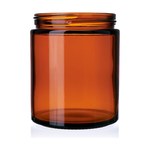
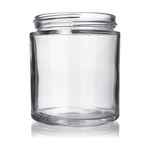
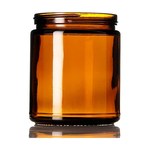
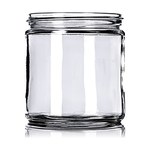
Finishes we stock, and what closes them