Glass, tin or ceramic
Updated
On this page6
The material changes the failure mode, the shipping cost and the wick, and it is worth choosing deliberately rather than by what looks good.
Three materials, three failure modes
Glass cracks. Tin gets hot. Ceramic and concrete leak or crack, and you cannot see the wax level.
Each of those is manageable and none is a reason to avoid the material. What matters is knowing which one you have signed up for.
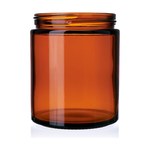
Glass
The category default. The customer sees the wax and the color, it feels substantial, and it reuses well, which customers care about.
Its failure is thermal shock, which is why annealing matters and why ASTM F2179 exists.
It is also heavy, which makes online shipping expensive, and breakable, which makes packing a real cost.
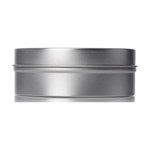
Tin
Light, unbreakable, cheap to ship, travel-friendly, and it takes a lid that actually seals.
Its problem is heat: metal conducts, so the outside of a tin gets hot enough to matter. A tin on a wooden table without a coaster is a mark, and a tin picked up while lit is a burn.
It needs testing in exactly the same way, with a hand on the outside, and it usually wants a slightly smaller wick than glass of the same diameter.
Ceramic and concrete
Distinctive, heavy, expensive, and increasingly popular because the vessel is reusable as an object in its own right.
Both can be porous. An unglazed or partly glazed vessel can weep wax through the wall, which is a product returned.
And you cannot see the fill level or the wax remaining, which removes the customer's own cue about when to stop burning. That makes the stop-point instruction on the label more important, not less.
Glass and metal, side by side