What to charge
Updated
On this page6
Candles price better than most handmade products because the customer expects a real number, and the cost base is heavier than people expect.
Cost per candle
Vessel, lid, wick, wick sticker, label, shrink band, share of the carton. Then wax, fragrance and dye. Then labor.
Labor against finished candles per hour, poured, cured, trimmed, cleaned, labeled, banded and boxed, not against candles poured.
The vessel is most of it
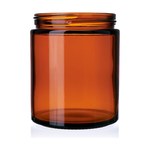
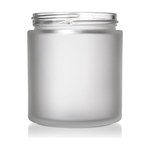
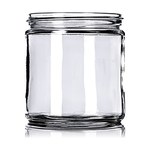
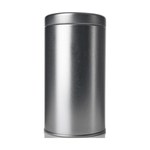
For a typical container candle the glass and lid together frequently cost more than the wax and the fragrance combined.
Which means sourcing a cheaper fragrance changes very little and moving to a cheaper vessel changes a lot, and also changes the product. That trade is the real pricing decision in this craft.
It is also why the premium vessel strategy works: a better jar at twice the cost can support a retail price at twice the level, because the customer is pricing the object.
Three price points
Direct at market or online: best margin, highest cost of selling, and the price the public sees.
Wholesale, conventionally half of direct.
Corporate and private label, negotiated per order and usually the steadiest work.
Set the direct price so wholesale still clears with a real margin. Doing it the other way round and finding wholesale is below cost is the standard mistake, and by then the retail price is published.
Where the margin is
Not in the single candle. In the basket: a set, a gift box, a candle plus a wax melt, a repeat subscription.
And in time per unit. The hours in this craft are in finishing and labeling rather than in pouring, which is where equipment pays for itself.
What the vessel costs you, at one unit