What size vessel
Updated
On this page6
The container decision in this craft is mostly a diameter decision, and height is almost an afterthought.
Diameter is the variable that matters
Diameter sets the wick, because the wick has to melt wax out to the wall.
Above roughly 8 cm a single wick usually cannot reach the wall without running too hot, and the candle needs two, which is a harder test and a different product.
Height changes burn time and almost nothing else. Two vessels of the same diameter and different heights usually take the same wick.
Net weight, not volume
A candle's declared quantity is a net weight of wax, and vessels are specified by volume.
The two are joined by the density of your wax, which means "an 8 oz jar" holds roughly 6.5 oz of soy wax rather than 8.
Establish it by filling one to your fill line and weighing it. Do not take the number off the vessel's specification, and re-establish it if you change wax.
The sizes the category uses
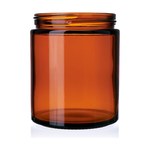
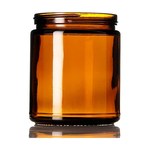
A small size around 4 oz, which is a gift, a sample and a candle people buy to try a scent.
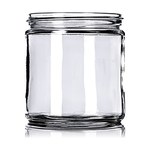
A mid size around 8 to 9 oz, which is the category's center of gravity and where most of the volume is.
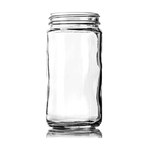
A large size, which is either a wide multi-wick vessel or a taller version of the mid.
Standardizing on two is right. Each size is its own wick test per fragrance, its own label size, its own lid, its own carton and its own case count.
What size decides
How many burn tests your range needs, which is the real cost of an extra size.
The price point, and the gift-versus-self-purchase position.
And the shipping class: a 9 oz glass candle is heavy for its value, and that shapes the online business more than anything on the label.
The sizes we stock