
Single serve, and the formats buyers ask for
Updated
On this page5
Gift and sampler sizes
Small formats sell on occasion rather than on consumption, which makes them a different business from the standard jar even though the product is identical. They move at times of year when the main line does not.
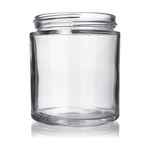
A 4 oz jar is the same product in a smaller container, processed the same way. It costs more per ounce to fill, sells in multiples, and is the format that moves at Christmas and at weddings.
Single serve for hospitality
This channel buys on consistency and portion control rather than on flavor, which changes what you are competing on and usually what you can charge.
Portion packs and tubs are a different operation: sealed under a film, usually not retorted in a jar, and generally made by a copacker rather than in a licensed kitchen. If a hotel asks, the realistic answer is a copacker, which is on having someone else make it.
Bulk for bakery
A 32 oz jar or a pail, sold by weight with no retail label. This is often the most profitable format because the packaging cost per ounce collapses and nobody is paying for presentation.
What not to do
One format gets asked for regularly and is a poor fit for this product, for reasons about the set rather than about the container. A product designed to hold its shape does not dispense well, and no amount of packaging solves that.
Do not put a processed product into a format you have not processed in. The published process times are for specific jar sizes, and a different container is a different thermal problem.