How much label a bottle actually gives you
On this page6
The number that matters is the straight section
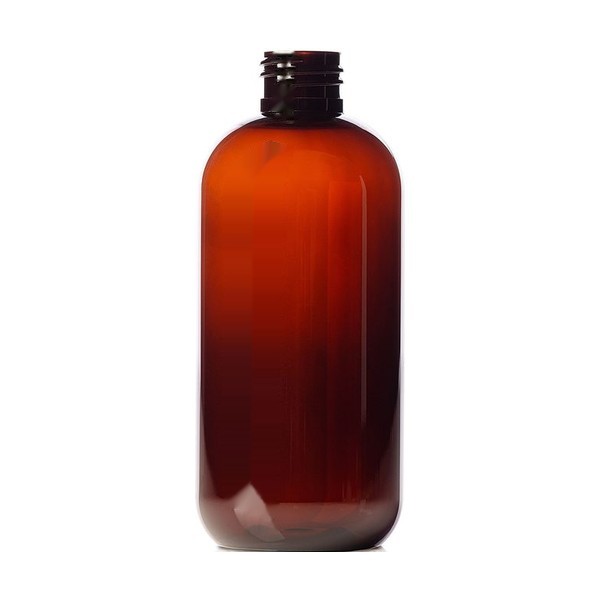
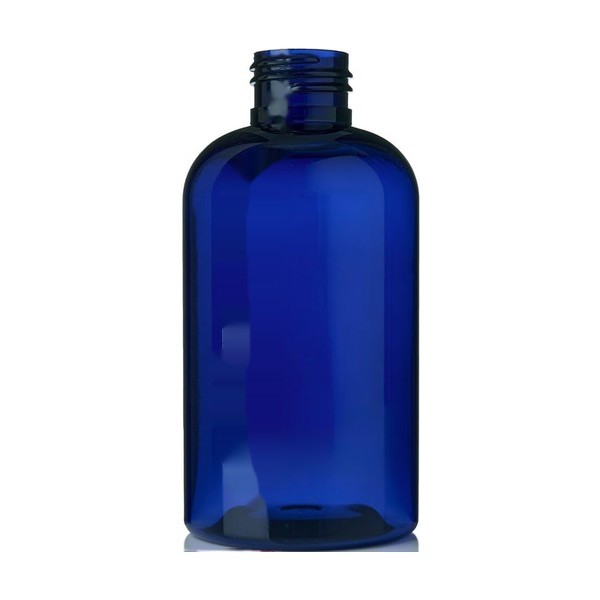
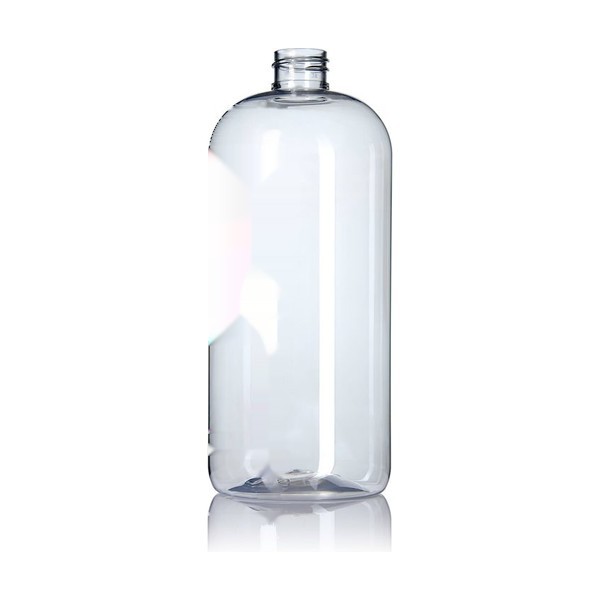
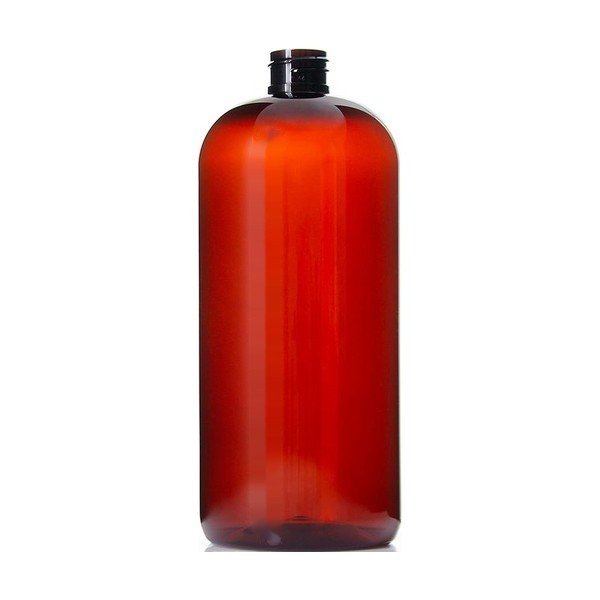
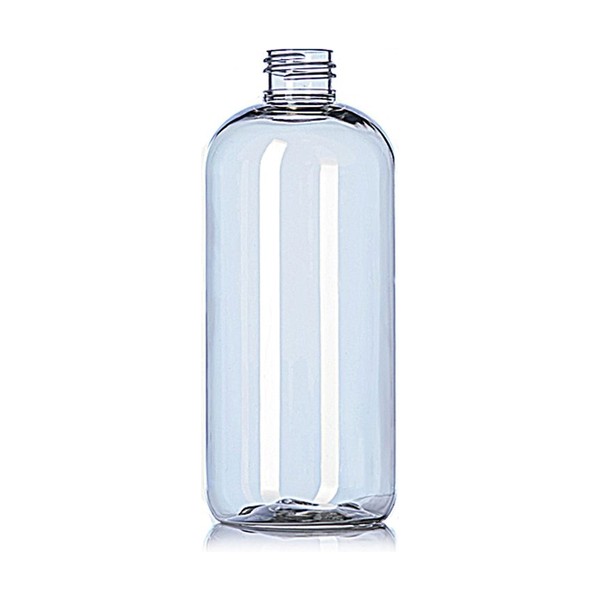
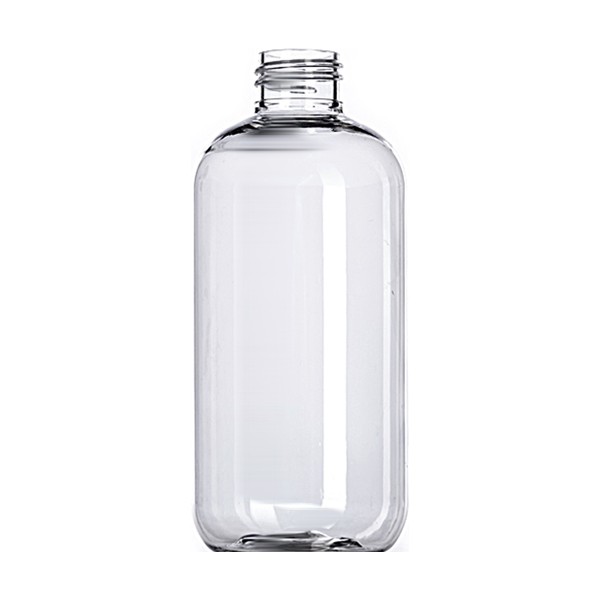
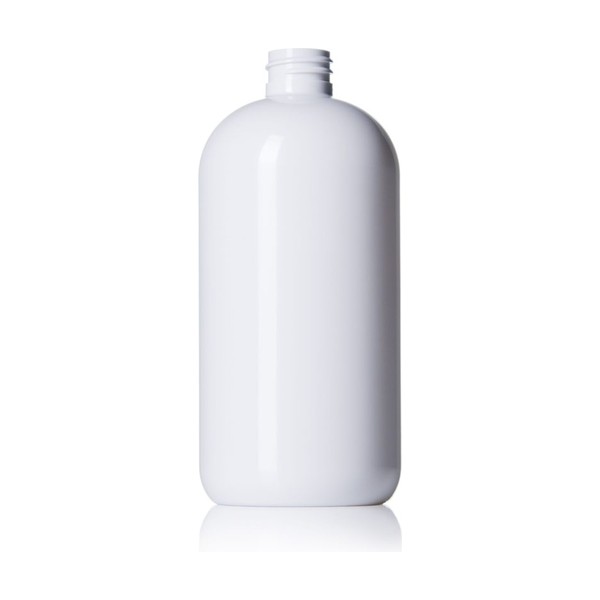
A wrap label can only occupy the part of the bottle that is straight. A boston round tapers into the shoulder and the label has to stop below it, so two bottles of the same capacity can offer noticeably different heights of usable wall depending on how tall and how narrow they are.
Which is why the twelve ounce choice is not one choice
On this shelf twelve ounces is available as a PET boston round on a 24-410 finish and as a glass sauce bottle on a 38-400. Those are different shapes. The sauce bottle is taller and narrower with a long straight section; the boston round is squatter with more circumference and less height. The same label will not fit both, and the one that suits a front-heavy layout is not the one that suits a tall one.
And the mandatory sentence pushes you toward circumference
A required statement that must sit immediately adjacent to a term you want set large is a horizontal problem more often than a vertical one. Width buys you the ability to set the term and the statement on the same line or stacked tightly beneath it. Height mostly buys you room for copy that could have gone on the back anyway.
Measure the bottle rather than the box it ships in
The practical step is to take the bottle you are considering, mark the straight section top and bottom, and measure the circumference at the middle of it. That rectangle is your label. Designing to the capacity and discovering the rectangle afterwards is the common and avoidable mistake.
Two panels are allowed and often easier
Nothing requires a single wrap. A front and back pair gives the mandatory copy its own space and frees the front for the brand, and on a narrow bottle two small labels often fit where one large one does not. The constraint that does not move is that the required statement stays immediately adjacent to the term it qualifies, so both of those have to live on the same panel.