Carbonation puts the container under load
On this page6
Carbonated drinks hold pressure
A carbonated drink is a pressure vessel at room temperature and more so when it warms. The container and the closure both have to be specified for it, and a bottle intended for a still product is not automatically suitable because it is the same size and material.
Which parts of the shelf this affects
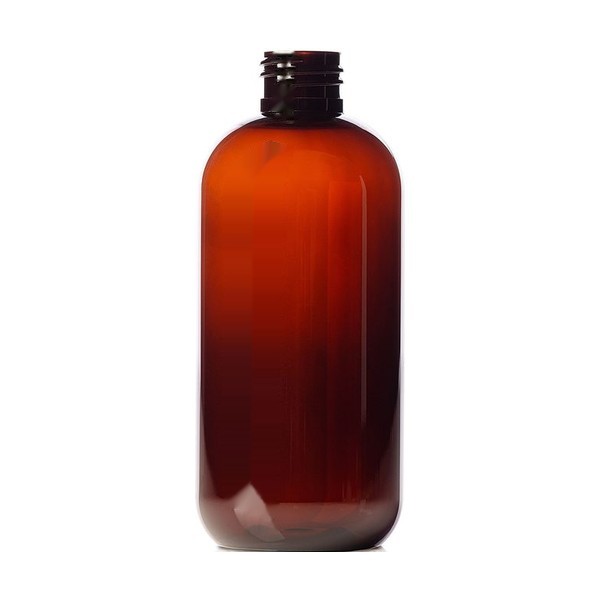
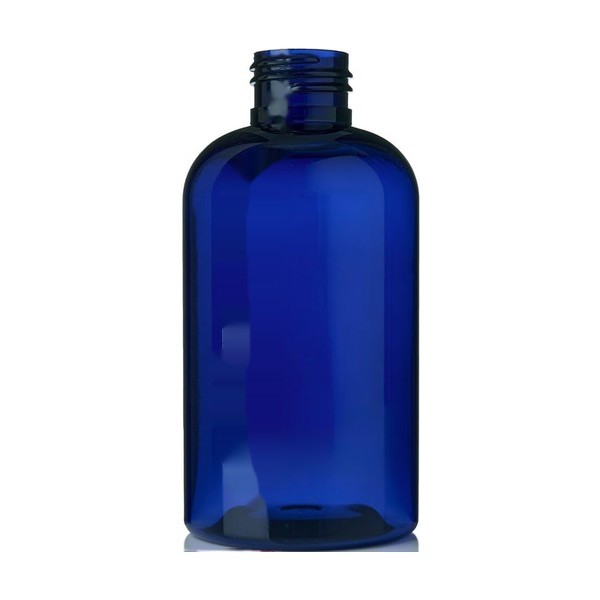
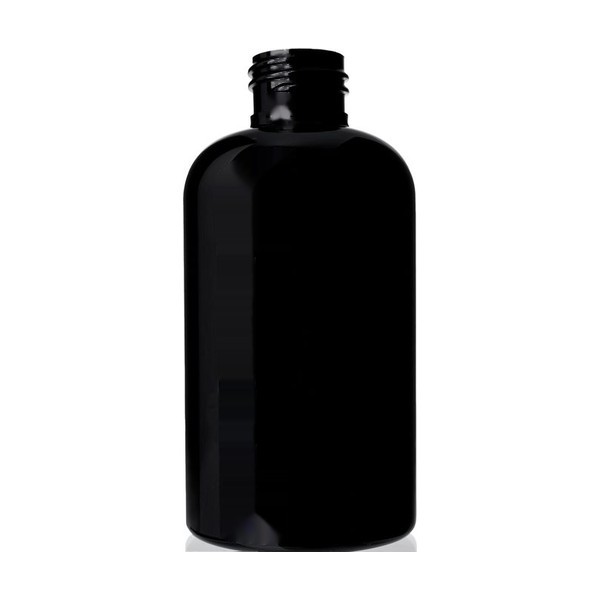
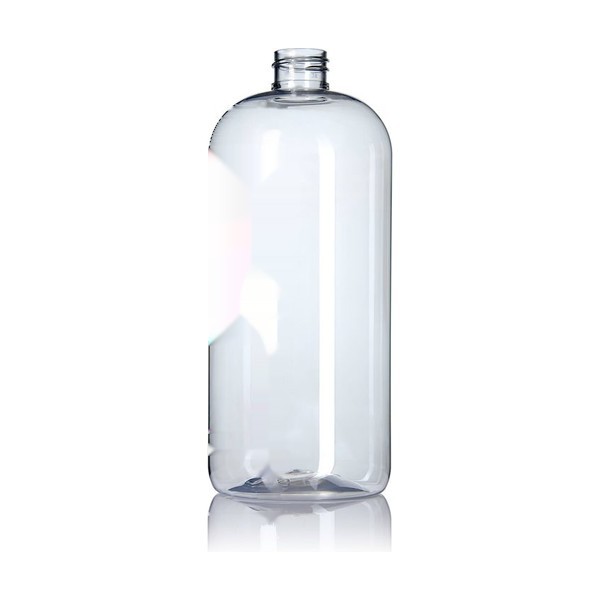
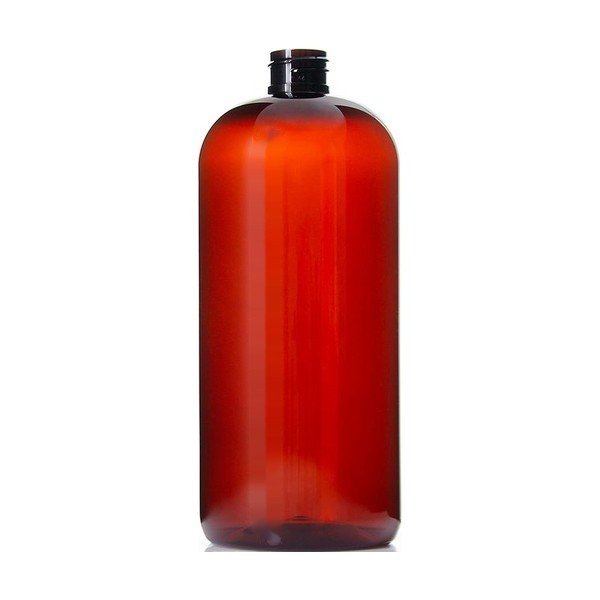
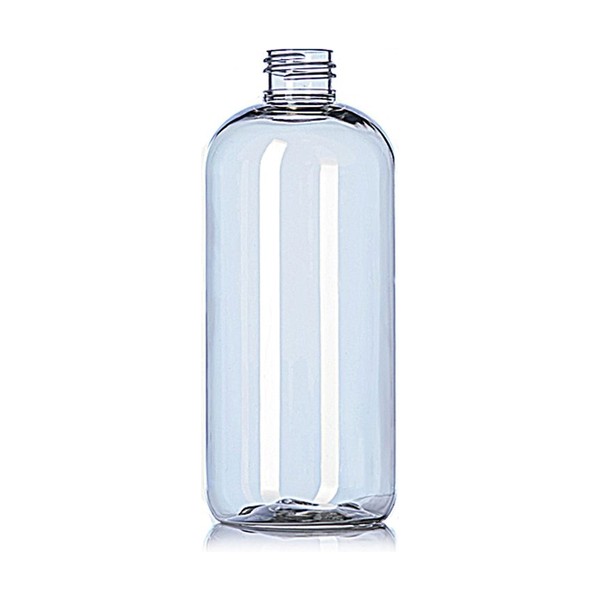
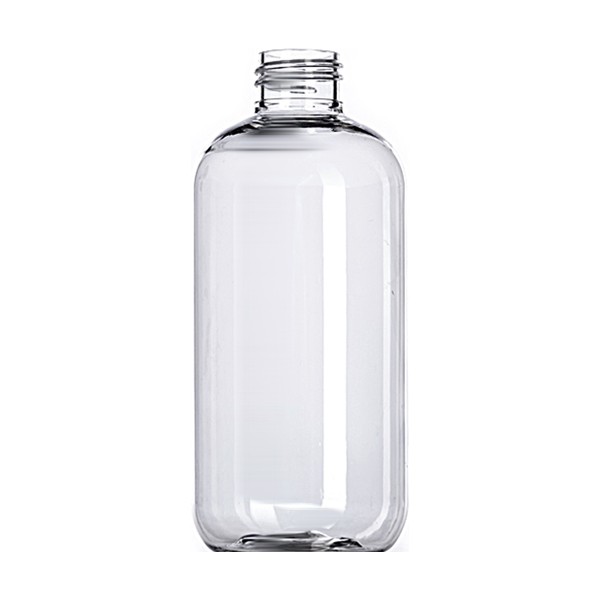
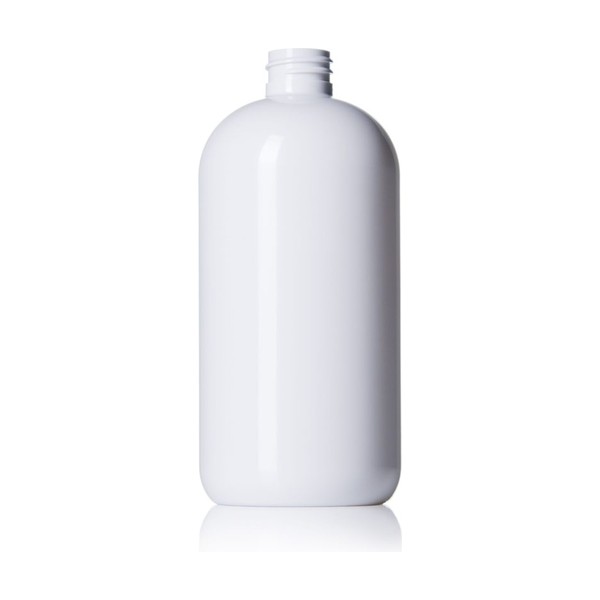
The boston rounds and sauce bottles here are general-purpose liquid containers. Nothing on this property claims a pressure rating for any of them, because that is a specification to confirm against the item rather than to infer from the shape. If your product is carbonated, confirming it is the first thing to do and not the last.
The closure carries as much of this as the bottle
A continuous thread cap holds pressure through its liner and the fit of the thread. A liner chosen for a still product may not seal against internal pressure over a long shelf life, and the failure shows up as a slow loss of carbonation rather than as a leak, which makes it easy to miss until customers mention it.
Test it the way it will be stored
Fill a few, cap them on your actual equipment, and leave them upright and on their side at the warmest temperature they will realistically see. Carbonation loss and seal creep are both slow and both obvious after a fortnight. That is a cheap test and it is the one most often skipped.
Headspace is part of the specification
Fill level changes the pressure a carbonated pack sees, because the gas has less room to expand into as the bottle warms. A fill set for appearance rather than for headspace can turn a container that was adequate into one that is marginal, and the effect is largest in the smallest bottles. Fix the fill as a number and test at that number rather than at whatever the line happened to deliver on the day.