Glass or PET for a drink with nothing in it
On this page6
What is actually available
In the eight to sixteen ounce range the catalog holds two hundred and nine PET bottles of which thirty-one can be sold, and thirty-nine glass bottles of which eighteen can be sold. So both materials are available and plastic is the deeper shelf, which is worth knowing because the category presents as a glass one.
The argument for glass
Glass is a better oxygen barrier than PET and it does not scalp flavour compounds out of the drink into the wall of the bottle. For a product built on botanicals and aromatics, both of those matter more than they would for a sugar-forward soft drink. Glass also reads as the category’s own format, which for a product sold as a substitute for something is not a small point.
The argument for PET
PET is lighter, which is most of the shipping cost on a liquid, and it does not break, which matters for direct-to-consumer shipping more than for retail. For a single-serve functional drink sold in volume, those two advantages usually decide it.
The thing that is specific to this category
A drink with no alcohol in it has lost an ingredient that was doing preservative work. Whatever protects the product now is the process, the pH, the pack and whatever treatment you apply, and the container is part of that rather than a neutral vessel. The oxygen barrier question is therefore a shelf-life question here in a way it is not for a spirit.
Light is the other barrier
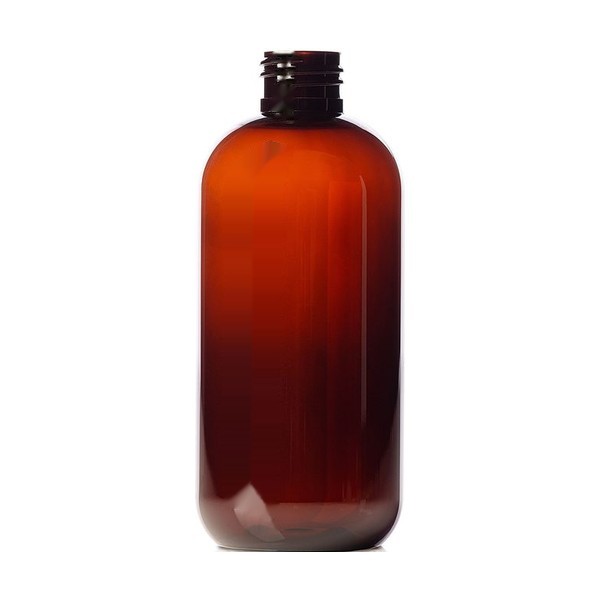
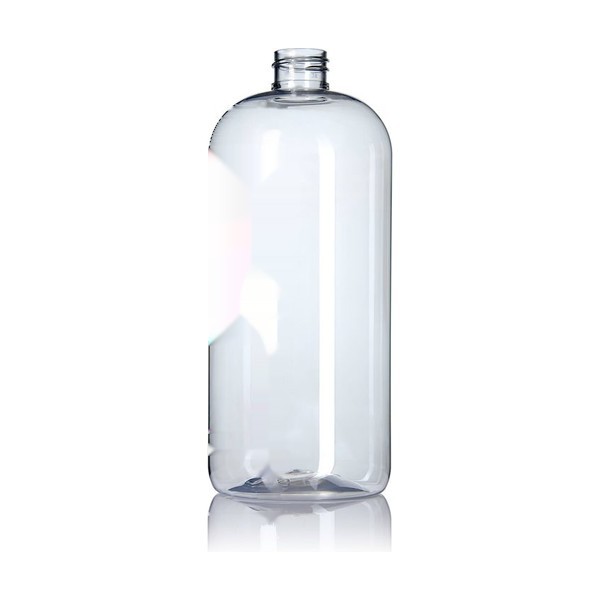
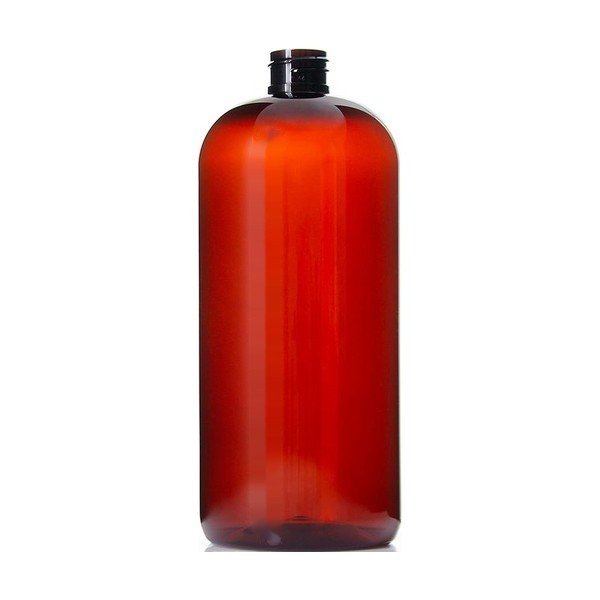
Clear glass and clear PET both pass light, and botanical and hop-derived compounds are among the things light degrades. Amber in either material cuts that down, which is the same reason it is used for beer. So the clear or amber decision is doing two jobs at once here: it sets the contrast behind your required statement and it sets how much light reaches the drink, and those happen to point the same way.