What the zero-proof category actually is
On this page5
The category is defined by what is absent
Non-alcoholic beer, non-alcoholic wine, non-alcoholic spirits, functional drinks and adaptogenic drinks sit together under one heading because of a number rather than because of a method. An NA beer is usually brewed and then stripped, or brewed in a way that never produces much alcohol. An NA spirit is usually a distillate or an infusion that never fermented at all. A functional drink may be a cold-brewed botanical with an added active. The only thing all of them have in common is where they sit against half a percent alcohol by volume.
Which matters because the number is what the law reads
The federal rule that governs the words on a malt beverage label does not ask how the drink was made. It asks what the alcohol content is and what you want to call it. So a producer who has never fermented anything and a brewer who dealcoholized a finished beer can land on the same labeling obligation, and a producer who assumed the rule was about brewing will miss it entirely.
And the packaging question splits the category in half
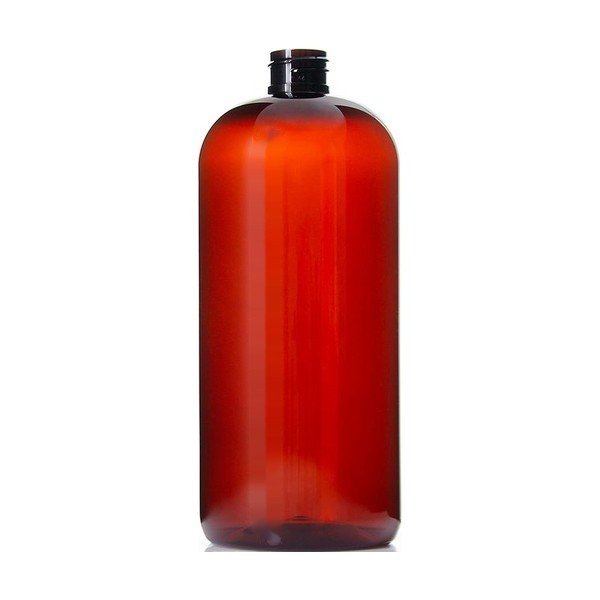
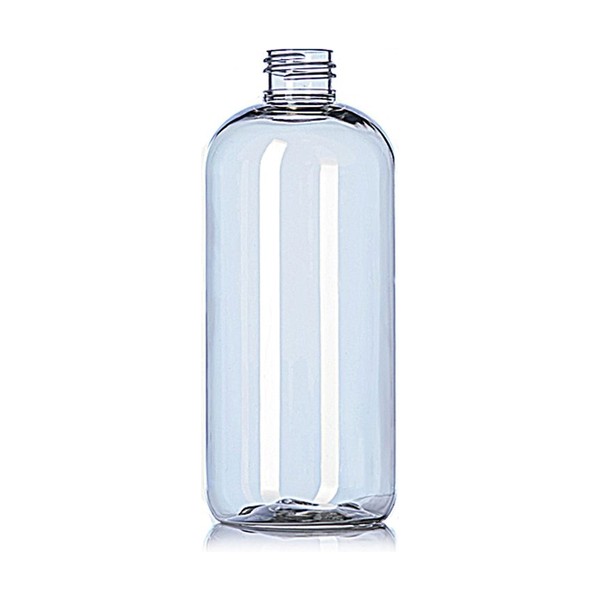
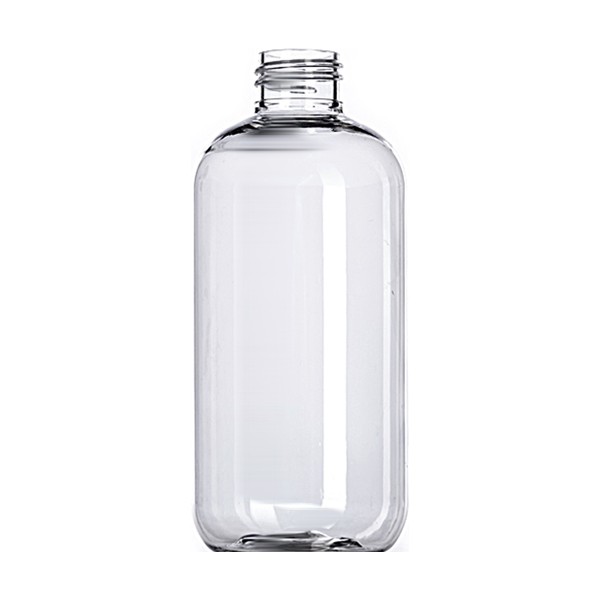
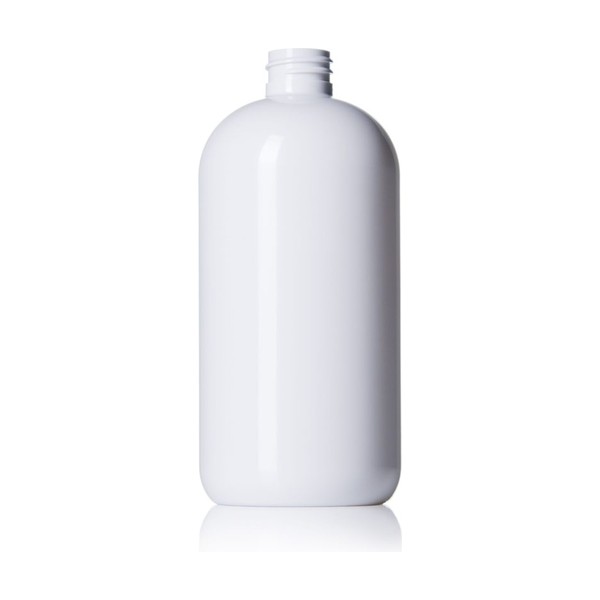
An NA spirit is sold in a screw-finished bottle and behaves like a cordial on the shelf. An NA beer is expected in a crown-finished bottle or a can, carbonated, and usually pasteurized. Those are different containers, different closures and different equipment, and only one of the two is something this shelf can supply. The next page says which.
What this property covers
The labeling rule and the three terms it governs, because that is where most of the avoidable cost is. The container decisions that follow from the required statement. And the failures that are specific to a drink with no alcohol in it to protect it, which is the part people coming from the alcohol side underestimate.