Gem jars and small lots
Updated
On this page6
Cut stones, small crystals, sand, micro material and bulk lots all need housing that is not a specimen box.
The small container problem
Material too small or too numerous for individual boxes still needs to keep its data, and a handful of loose crystals in a bag is a labeling problem waiting to happen.
The requirement is the same as everywhere else: the container holds the specimen and the label together, inertly, and can be opened without losing either.
Gem jars
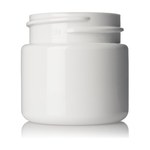
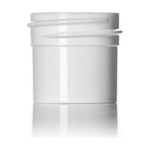
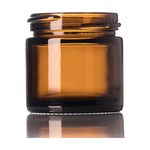
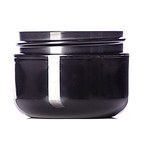
Small round containers with a clear lid and a foam or fiber insert, used for cut stones and small crystals.
They stack, they display, and the specimen can be seen without opening.
The insert is the usual weak point: the foam that comes with a cheap jar degrades. Replace it with an inert one for anything staying long term.
And check the resin, as everywhere in this section.
Zip bags
Cheap, transparent, universally used, and worth two cautions.
Most are polyethylene, which is inert and fine. Some are not, and a soft glossy bag is worth asking about.
They are not rigid, so anything fragile is unprotected. A bag is a way of keeping material together, not a way of protecting it.
Write on the bag as well as putting a label in it. A bag with only a slip inside becomes an unlabeled bag the first time somebody empties it.
Labeling a lot
A lot is a single catalog entry with a count, not a number of entries.
Record the count, and re-count when you sell part of it, or the catalog drifts from the drawer within a year.
And keep lots of different provenance separate even when the material looks identical, because merging them destroys both localities at once.
Small containers we stock