What size box
Updated
On this page6
Specimen storage is unusually standardized, because collectors have been trading in the same size classes for a century.
Boxes follow size classes
The classes exist first and the boxes follow them: micromount, thumbnail, miniature, small cabinet, cabinet.
Which means box size is not an open decision. Picking a box is mostly deciding which class a specimen belongs to, and trimming it to fit that class is a normal part of preparation.
The standard sizes
Micromount. A small plastic box, specimen viewed under magnification, mounted on a pedestal.
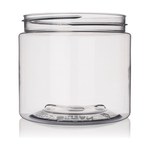
Thumbnail. Traditionally a specimen fitting within a one-inch cube, housed in a small clear box, usually a perky box.
Miniature. Roughly up to two inches.
Small cabinet and cabinet, the larger display sizes, usually in flats and drawers rather than individual boxes.
The cube convention is what makes a class: a specimen is a thumbnail if it fits the cube in any orientation, not if it is an inch along one axis.
Why a fitted box matters
A specimen that can move in its box is a specimen being abraded every time the drawer is opened.
A specimen packed tight against the walls is one under pressure, which is worse.
The target is supported and still, with a small clearance, which is what a cushion insert is for.
And the label has to fit alongside without being folded, which is a real constraint at thumbnail size and the reason so many thumbnail labels are illegibly small.
Standardizing
Pick a class system and buy boxes to it, one supplier and one range.
Uniform boxes stack, fill a drawer without waste and let a collection be rearranged in an afternoon rather than rebuilt.
Mixed boxes waste roughly a third of a drawer, which is the hidden cost of buying whatever was available at each show.
The sizes we stock