
Creamed honey
Updated
On this page6
A product rather than a fault
Honey crystallizes because glucose comes out of solution. Left alone the crystals are large and gritty. Seeded with fine crystals and held cool, the grain stays small and the result is smooth and spreadable.
Same honey, same jar, different texture, higher price. That is the whole proposition.
How it is made
Blend a proportion of finely crystallized honey into liquid honey as a seed, usually around one part in ten. Mix thoroughly without whipping air in, then hold it cool, in the region of 57F, for a week or two while it sets through.
Temperature control is the craft. Too warm and it stays liquid or sets coarse; too cold and it slows to nothing.
Why it sells
It solves a problem you already have at a market. Customers read set honey as spoiled, and explaining crystallization is a conversation you have every week. Creamed honey turns the same phenomenon into the reason to buy.
It also travels and behaves better. No drips, no running, no crystallized lid.
The container changes
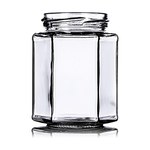
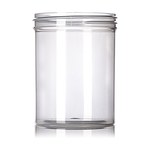
Fill it slightly warmer than you would think, because creamed honey stiffens as it finishes setting and a jar filled at final texture looks underfilled.
Getting it wrong
Coarse grain, from too little seed or too warm a set. Separation, where a layer of liquid rises, usually from honey that was too wet to begin with. And frosting, white patches against the glass, which is harmless, common, and looks like a defect to a customer who has not seen it before.