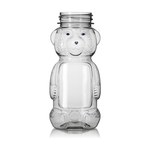
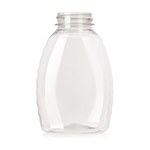
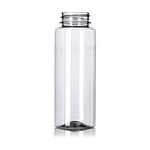
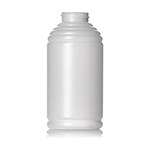
Bears, squeeze bottles and novelty containers
Updated
On this page6
An inverted squeeze bottle sells honey to people who were not going to buy a jar. It also makes crystallization your problem instead of theirs.
What you gain and what you give up
You gain shelf appeal and a container people associate with using honey rather than storing it. Bears in particular do work at a farmers market with families, and a squeeze bottle removes the sticky-knife objection that keeps casual buyers from finishing a jar.
You give up several things at once. Plastic costs more per unit than a plain glass jar at small volumes, it does not present the honey's color as well, and it reads as less premium to the buyer who is paying for local and raw. You also give up the ability to warm the container to reverse crystallization, which is the one that causes returns.
The dispensing problem nobody mentions
Honey is viscous and it does not behave like the sauces these closures were designed for. A valve that works for a thin dressing will weep or will refuse to close cleanly under honey, and the residue sits on the nozzle and goes dark.
Inverted designs with a silicone valve handle it best, and they cost more. Simple flip-top caps work but drip. Whatever you choose, fill a few and leave them inverted on a shelf for a two weeks before you commit to a case quantity, because this is a failure you will discover at a market otherwise.
Crystallization is worse in these
All raw honey crystallizes. In a glass jar the customer can stand it in warm water and it returns. In a plastic squeeze bottle they cannot do that safely, and a crystallized bottle with a narrow valve is simply unusable.
So the container commits you: if you sell in squeeze bottles, you are implicitly promising the honey stays liquid for the time it takes to use it. That is a promise about your specific honey's floral source, and some honeys cannot keep it. Know which of yours can.
When they are the right call
Fast-turning retail, family buyers, a honey you know stays liquid for months, and a price point where the container cost is absorbed. Also for infused or flavored products where the novelty is part of what is being sold.
Against that: wholesale accounts, anything positioned as premium or single source, and slow-set honeys. A jar is the safer default and the reason most serious producers lead with one.
The squeeze formats we actually stock