What size tub
Updated
On this page6
Tub size in supplements is not a price-point decision. It is a decision about how many servings, over how long, in a container that is opened daily.
Size is a servings decision
The panel declares servings per container, and net weight divided by serving size must equal it. So the tub size, the serving size and the servings claim are one arithmetic.
Which means changing the tub changes the panel, and a 30-serving claim on a container that actually holds 27 is a labeling failure rather than a rounding.
What the category uses
Thirty servings is the convention for a daily product, because it maps to a month and to a reorder rhythm. Protein powders commonly run to 2 lb or 5 lb, which is roughly 30 and 70 servings.
Smaller formats exist as trial sizes and as single-serve, and the very large tubs exist mainly on price per serving.
Why bigger is not better here
Three reasons specific to this category.
A larger tub is open for longer, so it takes up more moisture over its life and the caking and dosing problems worsen toward the end.
The powder settles more in a deeper container, so the difference between the first scoop and the last is greater.
And a longer-lived tub runs further into the potency decline that overage was sized to cover.
A 70-serving tub is five months of daily use. That is a long time for a hygroscopic product in a kitchen.
Getting the size right
Choose the servings count first, derive the net weight from the serving size, and then find a container whose settled volume holds it with sensible headspace.
Test with your own powder, tapped, rather than trusting a nominal capacity, because a low-density blend needs far more volume than its weight suggests and a mis-sized tub is a complaint on every unit.
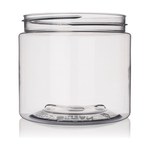
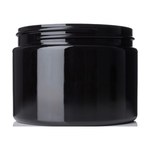
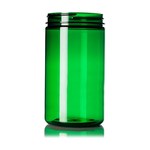
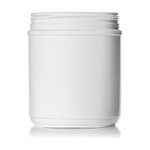
The sizes we stock