Tube, pot or stick
Updated
On this page6
The format decides how the product is used, how it is perceived and, on the drug side, how much label you have to work with.
Three formats
Each carries a different assumption about hygiene, about price and about who the customer is, and none of them is simply better.
The twist tube
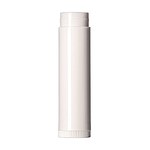
The default, and what people picture when you say lip balm. Nothing touches the product but the lip, which is the hygiene argument, and it is the format shops expect.
It is also a mechanism rather than a container, which is the subject of its own page, and it imposes the smallest label area in this category.
Standard sizes are small: a fraction of an ounce. That is a constraint on both the fill and the panel.
The pot
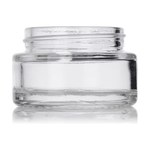
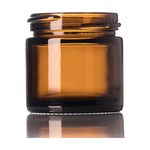
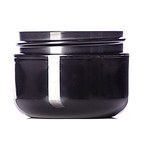
A jar or tin, applied with a finger. Reads as richer and more artisanal, takes a softer formula, and gives a far better label surface.
The objection is a finger in the product, which in an anhydrous balm is a smaller microbiological problem than it would be in a water-containing cream, there is nothing for anything to grow in, but it is still a perception, and some buyers will not stock it.
It suits a thicker balm, a scrub or a salve better than a hard stick.
The squeeze tube, and the slider tin
A squeeze tube gives a soft, glossy product and a large label, and reads as more commercial.
A slider tin is an oval push-up format, less common and instantly distinctive on a stall.
Both are worth considering precisely because makers often default to the twist tube, and a different format on a table of thirty identical white sticks does more for you than another flavor.
The formats we stock