Lip scrub
Updated
On this page6
The cheapest, fastest second product in this category, and it pairs with the balm at the till.
The easiest extension there is
Sugar, an oil or butter base, and flavor. No wax, no tempering, no second pour, no mechanism.
It uses ingredients you already buy and equipment you already own, and it can be made in the same session as a balm batch from the same warm oils.
What it is made of
Sugar as the abrasive, because it dissolves on the lip and is edible, which salt is not in this application.
Grain size decides the product: fine sugar is a polish, coarse is a scrub, and the same base at two grain sizes is arguably two products.
A base of oil, butter or a soft balm blend. Firmer holds the sugar in suspension; softer feels better and separates more.
It is anhydrous, so it needs no preservative, but it is used with a wet finger and a wet lip, and water introduced into a pot over time is worth a period-after-opening rather than an open-ended claim.
The container
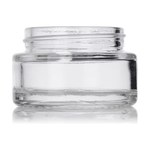
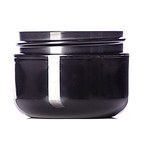
A small pot or tin. It cannot go in a twist tube.
Which means a finger goes in, and that is inherent to the format rather than a flaw in it.
The label problem is easier than the balm's: a pot lid and side give far more surface than a 55 millimeter wrap.
Why it sells
It is the natural companion purchase, scrub then balm, and it raises the basket without asking the customer to choose between two things.
It also demonstrates in a way a balm cannot: a customer can feel it on the back of a hand and understand immediately what it does.
Pots a scrub works in