How it looks on a shelf
Updated
On this page6
Spice is bought from a wall of near-identical jars, and the buying decision is made in a few seconds at about a meter. Almost every presentation choice follows from that.
The wall of jars
Your product sits among twenty others of the same size and shape. What differentiates it is the label, the color of the contents, and whether the range reads as a range.
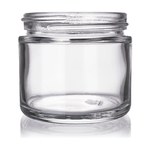
That is why the visual sell in this category is unusually strong and unusually tied to the container being see-through. A clear jar of bright paprika does work no label can do.
Color is your display and your problem
The same clear glass that sells the product fades it. Carotenoid pigments oxidize under light, so the jars that look best on the shelf are the ones deteriorating fastest on it.
There is no resolution, only a choice matched to turnover. A market stall that sells through in weeks can use clear glass freely. A shelf where a jar may sit six months cannot, and the faded jar is doing reverse advertising the whole time.
Rotate your own display stock and keep it out of direct light. The customer is judging freshness by appearance and they are not wrong to.
Legibility at arm's length
The spice name should be readable from a meter. That usually means it is the largest element on the label by some distance, above the brand rather than below it, because a customer is looking for cumin before they are looking for you.
Regulatory copy has to be present and does not have to compete. Net weight on the front panel, everything else on the back.
Consistency across a range
A range that reads as one family occupies more visual space than the sum of its jars, which is the cheapest shelf presence available to a small producer.
That argues for one jar, one label layout, one closure, varying only the name and perhaps a color cue. It also argues for choosing packaging that suits the most vulnerable member of the range rather than the average, because a consistent range with one faded jar in it looks worse than an inconsistent one.
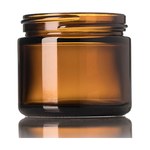
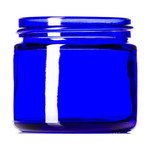
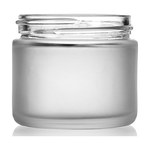
What the color of the container does