Getting a label to stay on
Updated
On this page6
Spice labels fail in two places: the curve and the cold. Both are solved at the ordering stage rather than the applying stage.
The surfaces you are sticking to
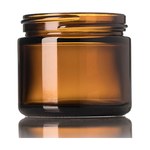
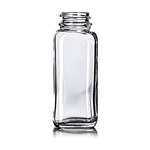
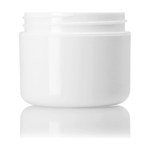
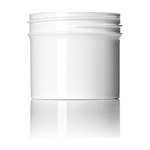
A small jar is a tight radius, and a label designed flat has to conform to it. The smaller the jar the worse it gets, and spice jars are among the smallest containers that carry a full ingredient panel.
Glass, PET and metal each take adhesive differently, and a facestock that lies down happily on glass can lift at the leading edge on plastic.
What actually makes them lift
Three things, in order. Radius: too stiff a facestock on too small a jar will peel from the ends. Contamination: powder on the jar wall from filling, or a trace of oil from handling, and the adhesive never gets a grip. Temperature: applying cold, or storing cold, before the adhesive has flowed and set.
Almost every failure is one of those and almost none are the printer's fault.
Panel size is a constraint
The label has to carry a statement of identity, a net weight on the principal display panel, an ingredient list where there is more than one ingredient, allergens where present, and your name and place of business.
On a 4 oz jar that is a genuine squeeze, and it is the reason to check the panel dimensions before ordering jars rather than after designing a label. Shrinking type to fit is not an available solution.
Ordering and applying
Specify the facestock and adhesive for the actual container and the actual radius, and ask the printer for a sample applied to your jar rather than a flat proof.
Then apply to a clean, dry, room-temperature jar, brush the rim and wall down after filling, and let the labeled jars sit a day before packing. Adhesive continues to bond for hours after application, and a case packed immediately is a case where the edges are still loose.
The surfaces you would be sticking to