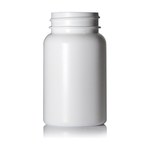
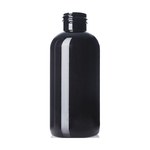
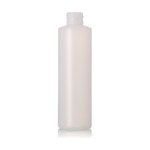
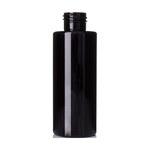
Bottles and pumps for liquid soap
Updated
On this page6
Liquid soap is a separate product with a separate container problem, and the container is the part customers judge.
A different product and a different container
Made with potassium hydroxide rather than sodium, diluted, and sold in a bottle with a dispenser.
Which means the whole container conversation is the one the cleaning and skincare properties have: resin, neck finish, dispenser and label adhesion on a wet bottle.
Pump or disc
A lotion pump is the expected dispenser and it is the most expensive component in the product, frequently more than the bottle.
A foamer pump produces foam from a dilute liquid and needs a thin product: putting a viscous soap in one gives a customer a pump that does nothing.
A disc top is cheaper, works with a thicker product and reads as less premium.
Whichever, check the dip tube length against the bottle, and check the dispenser is rated for an alkaline product, liquid soap is not pH neutral and it meets the pump's seals continuously.
Viscosity is the constraint
Liquid soap is naturally thin, and customers read thin as weak.
Thickening it is a real formulation exercise, and salt thickening of a potassium soap behaves differently from thickening a synthetic detergent system.
Match the dispenser to the viscosity you actually have rather than the one you intended, and test with the product rather than with water.
Labeling
And note the determination: the soap exemption applies to soap however it is presented, so liquid soap can be exempt soap, provided the composition condition holds and it is represented only as soap.
A hand wash sold as moisturizing is a cosmetic exactly as a bar would be.
And a hand wash sold as antibacterial is a drug, which is the claim this format attracts most.
Bottles we stock for a liquid soap