Shaving soap
Updated
On this page6
A small, loyal and knowledgeable market, which makes it unusually unforgiving of a product that does not perform.
A formulation problem, not a shape one
A shaving soap is not a bath bar poured into a tin.
It has to produce a dense, stable, slick lather that survives being worked on the face and does not collapse between passes.
Which is a different lather target from a bath bar, where quick abundant lather is what people want.
What makes shaving lather
A dual alkali formulation is the traditional route: both sodium and potassium hydroxide, which gives a soap firmer than a liquid and softer than a bar, and a denser lather.
Stearic acid, which is the classic hardener and lather stabilizer in this category.
Slip additives, clay for glide, and a careful superfat, since too high kills lather and too low is harsh.
And a long cure, because a shaving soap improves with more of it rather than less.
Format
A puck in a tin, a puck to sit in a mug, or a hard stick.
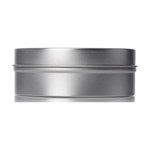
The tin is the category standard and it is a packaging decision with a real requirement: the product is softer than a bath bar and needs the container to hold it.
Which also makes the tin the label surface, and a tin label has to survive a wet bathroom shelf.
Who buys it
Traditional wet shaving is a hobbyist market with forums, reviews and strong opinions.
They will tell you exactly what is wrong with the lather, in public, which is a better product development loop than you will get anywhere else and a harsh introduction.
They also buy repeatedly and pay well for a soap that performs, so it rewards getting the formulation right before launching.
And they are not persuaded by packaging, which makes this the one adjacent product where the formulation is the entire marketing.
Tins and jars that will hold a puck