The package is part of the preservation system
Updated
On this page6
In most crafts the container is chosen after the product is finished. In skincare the container is one of the variables the product's safety depends on, and choosing it late is how brands end up retesting.
The container is a formulation decision
Challenge data does not only tell you whether a formula is preserved. It tells you under what conditions it is preserved, and those conditions are frequently packaging conditions: airless delivery, a restricted period after opening, or tighter control on the filling line.
A formula that is marginal in a jar can be comfortable in an airless pump, because the package removes the two things that defeat preservation: repeated finger contact and continuous air ingress.
Jar, tube, pump, airless
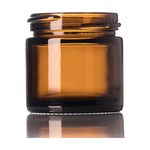
An open jar is the hardest case. Fingers go in, air sits on the surface, and the product is re-inoculated on every use. It is also what customers associate with a rich cream, which is the tension.
A tube removes fingers and most of the air exchange. A pump removes fingers entirely but draws air back in as it empties. An airless system does neither: the product is displaced by a follower plate and never meets the atmosphere.
The order of that list is also, roughly, the order of unit cost.
What the challenge result tells you to buy
A comfortable pass in the intended package means you have a choice. A marginal one means the package is now part of the answer, and a jar may simply not be available to you.
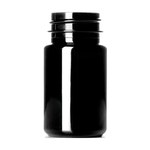
For oxygen-sensitive actives the same logic arrives from the other direction. L-ascorbic acid degrades in oxygen and light, so an airless dispenser in opaque or dark glass is not a premium touch, it is what keeps the product a product.
Where this bites
When a brand designs the packaging first, orders it, and then discovers the formula needs something else. Packaging minimums are large and lead times are long, and the jar you already bought is not an argument the microbiology will accept.
Settle the package before the challenge test, and test in it.
What the reader puts their fingers in, and what they do not