Glass or plastic
Updated
On this page6
In skincare the material decision is decided by chemistry more than by feel, and the answer differs by product rather than by brand.
Three questions, not one
Does the pack keep oxygen and moisture out. Does the pack react with the formula. And can you afford to ship it. Appearance comes fourth, which is the opposite of how the decision is usually made.
Barrier
Glass is effectively impermeable. Nothing passes through the wall, which matters over the year or two a product sits before and during use.
Plastic is not. Oxygen and moisture permeate at rates depending on the polymer and the wall thickness, and that permeation is a real contributor to oxidation and to pH drift over a long shelf life.
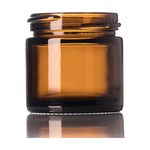
For anything oxygen-sensitive, and for anything with a long declared life, that difference is the argument. Opacity is a separate and equally important axis: L-ascorbic acid degrades in light as well as oxygen, so amber or opaque beats clear regardless of material.
Compatibility
Plastics can absorb fragrance components and preservatives out of a formula, which quietly lowers the level of the ingredient protecting your product. Plasticizers can migrate the other way. Low pH formulas can craze some plastics and corrode metal pump components.
Glass is inert, which removes the entire category of problem, and puts the compatibility question onto the closure and the liner instead.
Weight, breakage and cost
Glass is several times the shipping weight, and at these order values carriage is a large share of delivered cost. It breaks, which for a direct-to-consumer brand is a replacement plus an apology.
The workable position for most small brands: glass for serums and anything with a sensitive active or a long life, plastic or tube for lotions, cleansers and body products where the barrier demand is lower and the volume is higher.