Labels that survive a wet bottle
Updated
On this page6
A lifting label is the most visible quality failure a small producer has, and it happens in the customer's cupboard rather than on your bench.
Why labels lift
Three causes, in order. The bottle was warm or damp when the label went on. The adhesive was not chosen for a refrigerated or humid environment. Or the face stock absorbed moisture and swelled.
Hot sauce hits all three: bottles are often warm from filling, the product invites refrigeration after opening, and the neck gets wiped with a damp cloth.
Face stock and adhesive
Paper looks the part and fails in damp. A coated or laminated paper survives a fridge; an uncoated one does not. Synthetic stock, polypropylene or vinyl, is waterproof and reads slightly less artisanal.
The adhesive matters as much. Ask for one rated for wet or refrigerated application rather than a general purpose permanent, and be explicit with your printer that the product is a condiment that will be refrigerated after opening.
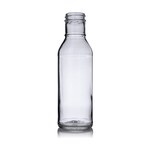
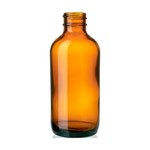
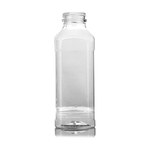
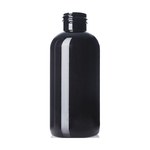
Glass and PET take adhesive differently. A label tested on one is not tested on the other.
Apply to a cool dry bottle
This is where most peeling comes from and it costs nothing to fix. Let filled bottles cool fully and dry the outside before labeling. A warm bottle sweats under the label as it cools and the adhesive never gets a clean bond.
Press the whole label down, particularly the trailing edge, and give it time before packing. Adhesives reach full strength over hours, not instantly, so a case packed immediately puts the labels under pressure while the bond is still weak.
What the label has to survive
Condensation in a fridge. A sauce-smeared thumb. A dishwasher, occasionally, because people do that. And a retail shelf under warm lighting.
Test rather than assume: label a bottle, put it in a fridge for a week, take it out and leave it on a counter, then handle it with wet hands. That week tells you more than any specification sheet.
The surfaces you would be sticking to