Glass or plastic
Updated
On this page6
Both work. They fail differently, and the failure modes are what should choose between them.
What each is actually good at
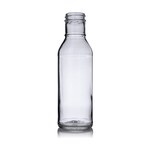
Glass is inert, takes a hot fill without deforming, holds color of the product rather than of itself, and reads as premium. It is heavy, it breaks, and freight is priced by weight.
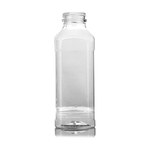
PET is light, does not shatter, ships cheaply and squeezes, which for a sauce dispensed by the drop is a genuine functional advantage. It is less temperature tolerant and it reads as ordinary.
Hot filling decides it for some
If your process calls for a hot fill, check the container's temperature rating before anything else. Standard PET softens well below the temperature an acidified hot fill needs, and a bottle that deforms slightly can still pass a visual check and fail on the shelf.
Heat-set PET exists and is rated higher. It costs more and it is the right question to ask a supplier rather than to assume either way.
Clear, amber or opaque
Clear sells the sauce and destroys its color under retail lighting. Carotenoids oxidize with light, so a red sauce facing a spotlight browns in weeks.
Amber protects color and hides the product. For a sauce whose appearance is the selling point that is a real trade rather than an obvious improvement.
The honest middle is clear glass plus advice to store it out of light, accepting that a shelf will not follow it.
What it signals
Glass says craft and permanence and costs more to ship. Plastic says everyday and travels well. Neither is wrong; they address different buyers.
Whichever you choose, pick a bottle whose closure you can actually source in volume. A beautiful bottle with an unusual neck finish is a supply problem waiting for the month you need a reorder.
The same size in each material