
Is collecting rocks and minerals for you, and what kind of collector would you be?
Updated
On this page7
If you like being outdoors, enjoy looking closely at small things, and keep records without being nagged, you will probably enjoy this. Rock and mineral work rewards curiosity and patience more than money: a first field trip needs a hammer, eye protection and a map, and a lifetime of collecting can grow from there. People come to it by seven different doors, from the family that keeps beach agates to the dealer with a booth at Tucson, and each spends time and money on different things. This page describes all seven so you can see which one you are now, which you may become, and where the law changes once you start selling.
Seven kinds of people who do this
Most people start as one of these and drift toward another. Find the row that sounds like you.
| Who | What they do | Where their time goes | Where their money goes |
|---|---|---|---|
| Family or first-trip rockhound | Picks up interesting rocks on hikes, beaches and road trips; wants to know what they are and whether they can keep them | Trips, and learning which ground is open to collecting | Little: basic tools, gas, perhaps a fee-dig site |
| Cabinet collector | Builds a documented collection of mineral specimens, often in one size class, one region or one species | Cleaning, identifying, labeling and cataloguing; shows; club meetings | Specimens, boxes, labels and a cabinet; trips |
| Crystal and decor seller | Buys tumbled stones, points and clusters wholesale and sells them at markets, online or in a shop | Buying trips, sorting stock, selling | Inventory, table fees, a business license and sales tax registration |
| Show and online dealer | Sells specimens by the piece and by the flat at shows and online | Sourcing, photographing, describing, packing and shipping; weekends at shows | Stock, show fees, travel, shipping materials |
| Heir with a collection | Has inherited boxes of specimens and wants to know what they are and what they are worth | Sorting, finding labels, getting advice | Little, unless they pay for appraisal |
| Lapidary and jewelry maker | Cuts, grinds, tumbles and polishes stone; sets it in jewelry | Shop time at the saw, grinder and tumbler | Equipment, rough, dust control |
| Educator or kit maker | Builds teaching sets for classrooms, scout groups or retail | Choosing safe, representative specimens and labeling them | Material, boxes, and testing if the kit is for children |
Two of these, the cabinet collector and the dealer, are what most older writing means by "mineral collecting." The crystal and decor trade works differently: its sellers buy most of their stock rather than collect it, and they face questions about treatments, health claims and children's products that specimen collectors rarely meet. Those are covered on starting a crystal and decor business.
How one path leads to another
The common sequence runs from the first row down. A family rockhound learns to identify what they find and starts keeping the better pieces with labels; that is a cabinet collector. A cabinet collector with duplicates takes a table at a club show; that is a dealer, at least on show weekends. A collector who buys a tumbler to polish the leftovers becomes a lapidary. An educator often starts as a collector who began giving specimens to a child's class.
The heir is the exception. They did not choose this, and their first questions are what the specimens are and whether anything is valuable. If that is you, the sorting and selling steps are on selling an inherited collection, and the vocabulary in this chapter will help you read old labels.
What suits the work
A few habits predict whether someone sticks with it.
- You write things down. A specimen's value, to science and to a buyer, rests largely on knowing where it came from. A labeled piece with its locality is worth keeping; the same piece with no data often is not. The National Park Service's guidance on geological collections says flatly, "Never throw away old labels" [1].
- You are patient with rules. Where you may collect, how much and with what tools depends on who manages the ground, and the answer differs between a national forest and the BLM land next to it. Learning to check is part of the craft. The rules for each kind of land are on where you are allowed to collect.
- You can live with not knowing. Many specimens cannot be identified by eye. Collectors learn the simple tests, and they learn when to stop and ask someone with an instrument.
- You take safety seriously. Striking rock throws chips, old mines kill people, and a few minerals are toxic or radioactive. None of this makes the hobby dangerous if you follow the precautions, but it does mean reading them.
Where the law changes once you sell
Collecting for yourself and collecting to sell are different things on public land. On Bureau of Land Management (BLM) land, the regulation allows "reasonable amounts" of rocks, mineral specimens and semiprecious gemstones "for noncommercial purposes," and collecting for sale or barter needs "a contract or permit" [2]. On national forests, "Hobby specimens may only be collected for personal use and cannot be bartered or sold" [3]. Fossils, meteorites and artifacts have stricter rules still: casually collected fossils from federal land may never be sold [4], and arrowheads may not be removed from BLM land without a permit [4].
So the moment you think about selling, the question shifts from "may I take this?" to "may I sell what I take, and can I prove it?" Material you collected under a personal-use allowance stays personal. Lawful stock comes from private land with the owner's written permission to sell, from fee-dig sites whose terms allow it, from a permit or contract, from your own mining claim, or from a documented purchase. The short version of that line is on collector or dealer.
Space, money and time, briefly
A collection takes less room than people fear if you choose a size class early. Thumbnail specimens, the small end of the scale, are "usually no larger than one inch square" and fit a 1.25 inch box, so a single drawer holds dozens [5]. Large cabinet pieces fill shelves fast. Choosing a theme is on choosing what to collect.
Money depends on the path: a rockhound can spend little beyond tools and travel, while a dealer's money is mostly in stock and show costs. A line-by-line budget is on what it costs to start collecting, and the hours each stage takes are on how much time collecting takes.
Finding out whether you like it
The cheapest way to find out is to go on a club field trip. Clubs take members onto private ground the public cannot reach; the Georgia Mineral Society, for one, runs its trips for members only and does not publish locations, out of respect for the owners who let it in [6]. Experienced members on those trips show newcomers what to look for. How to find one near you is on clubs, federations and societies, and if you already know you want to collect, the next decision is what to collect.
Top picks
Top containers for minerals and rocks 8 oz · 89-400 · PET
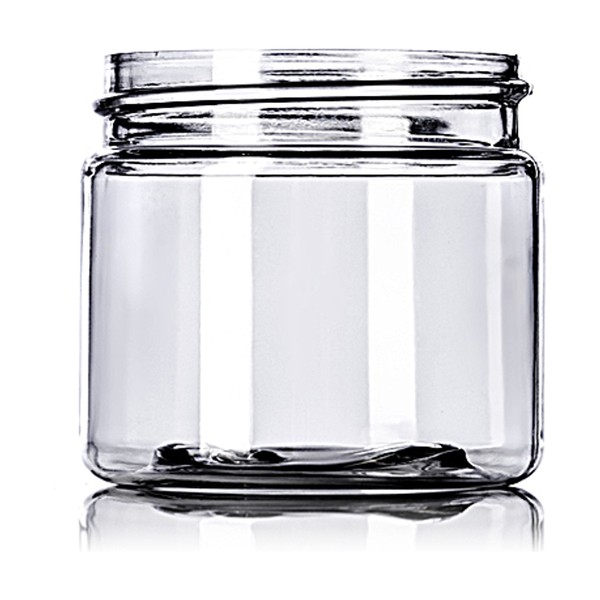 2 oz · 48-400 · PET
 6 oz · 70-400 · PET · Black
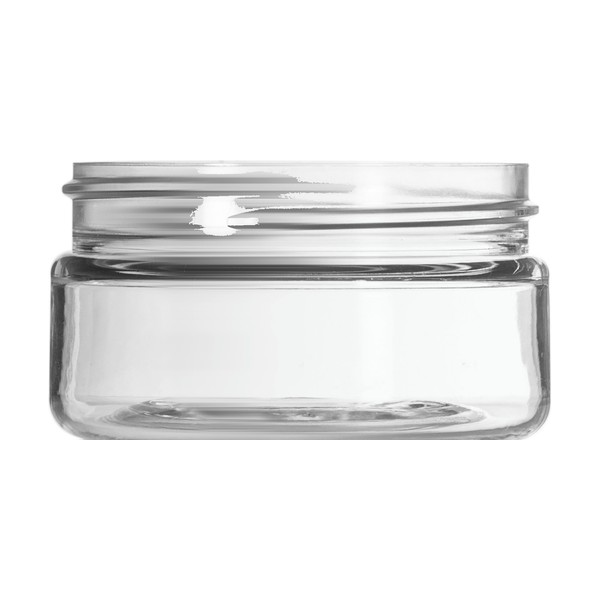 2 oz · 58-400 · PET · Clear
 6 oz · 70-400 · PET · Amber
 3 oz · 58-400 · PET
 8 oz · 70-400 · PET
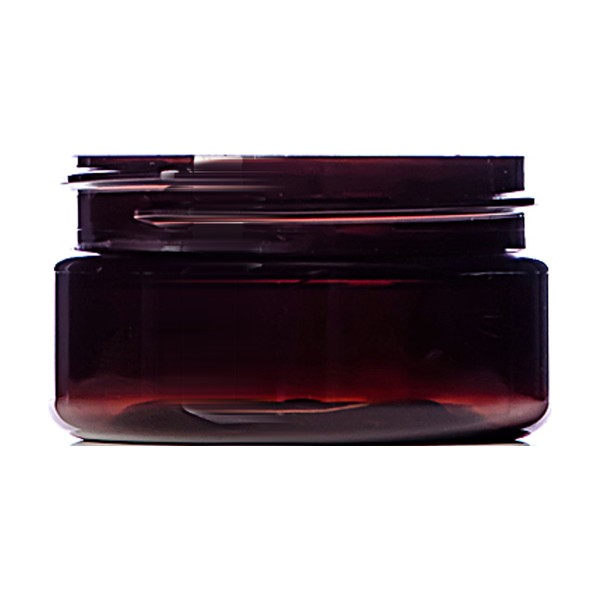 2 oz · 58-400 · PET · Amber
References
- National Park Service, Kathy Hall, Storage Concerns for Geological Collections, Conserve O Gram 11/2, April 1998. https://www.nps.gov/subjects/museums/upload/11-02_508.pdf
- Legal Information Institute, 43 CFR 8365.1-5, current text read October 22, 2026. https://www.law.cornell.edu/cfr/text/43/8365.1-5
- USDA Forest Service, Rockhounding Guide, FS-1091, June 2017. https://www.fs.usda.gov/media/229394
- Bureau of Land Management, Can I Keep This? A guide to collecting on public lands, BLM/MT/GI-11/007, revised 2021. https://www.blm.gov/sites/default/files/docs/2021-10/Can%20I%20Keep%20This%202021%20-%20508%20Final%20Version.pdf
- iRocks, Size Matters! Collecting Miniature Mineral Specimens, June 9, 2016. https://www.irocks.com/size-matters-collecting-miniature-mineral-specimens
- Georgia Mineral Society, Field Trips, undated, read October 22, 2026. https://gamineral.org/ftcurrent.html